
1
Diagnosis
A technician arrives at your home, inspects the system, and pinpoints what is actually failing.
When a water heater stops making enough hot water, fails unexpectedly, or shows signs of corrosion, Gotta Go Plumbing can inspect the issue and explain the safest next step. Our team specializes in water heater repair and helps homeowners understand whether the problem points to heating elements, a loose valve, a leak at the unit, or a bigger replacement conversation. If you are searching for help across our service area, we explain your options before work begins so you can decide whether a focused fix or replacement makes more sense.
If the water heater is leaking or the unit smells like gas, stop using hot water and keep the area clear until it is inspected.
Pay attention to whether you have no hot water, not enough hot water, a water heater leak, rusty water from a faucet, or unusual sounds.
If water is actively pooling, protect nearby items and shut off the unit only if you know it is safe to do so.
What seems like a small service call can turn into a bigger water problem, safety concern, or full system failure quickly.
No hot water can point to failed heating elements, ignition trouble, thermostat problems, or an undersized unit.
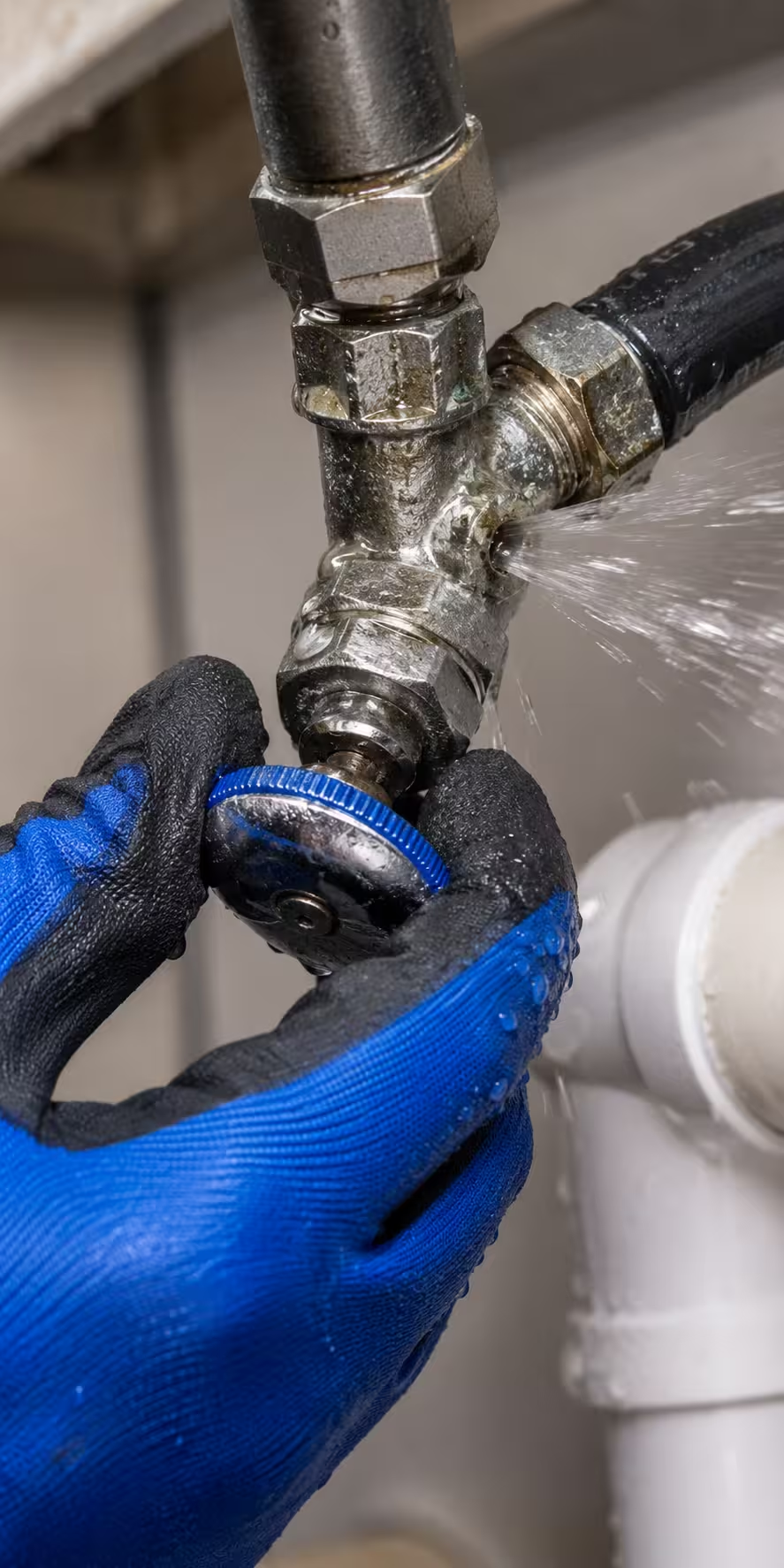
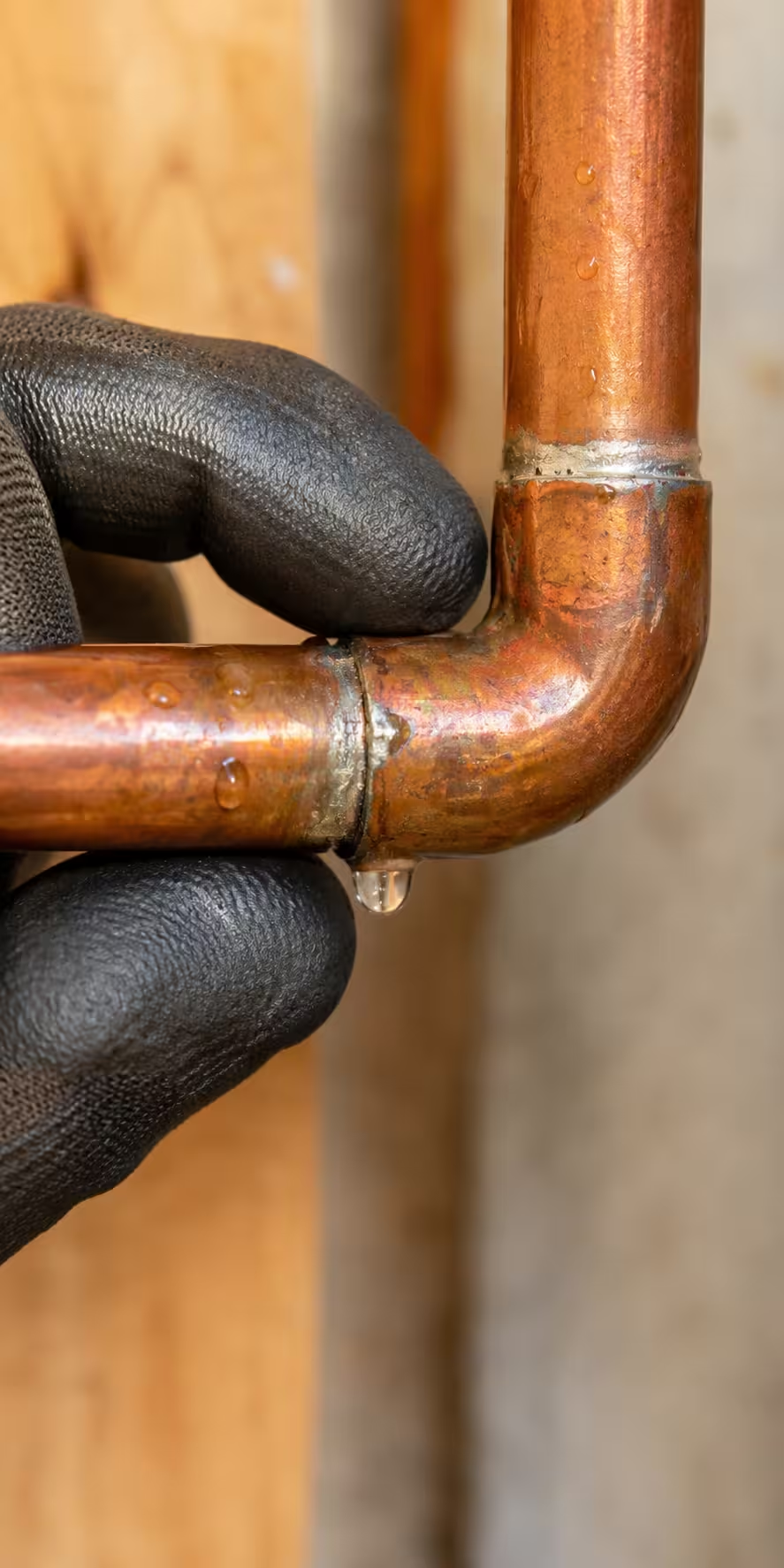
Water around the heater may come from a loose valve, a connection, the relief line, condensation, or the water heater tank itself.
Poor recovery or inconsistent hot water often points to performance decline, failed components, or demand the unit no longer handles well.
Rumbling, popping, or banging sounds can signal sediment, sediment buildup, overheating, or broader wear inside the unit.
The right move depends on tank condition, age, the failed part, safety, and how likely repair is to give you dependable service.
Tankless and storage systems fail differently, so the repair path depends on whether you have tankless water heaters in the home or a traditional tank water heater.
Some water heater problems are in need of repair. Others point to water heater replacement because the failure is bigger than one part or the unit has become less energy-efficient over time.
A proper inspection helps a technician identify the real failure point and explain all of your options.
A focused repair may restore reliable hot water, extend the life of the unit, and help you avoid a premature replacement.
A leaking water heater can spread water damage quickly, so we help protect the home when a heater leak, failed shutoff, or sudden loss of hot water becomes urgent.
Move stored items away from the leaking area if you can do it safely.
Do not ignore a worsening leak or signs of overheating.
If you smell gas, leave the area and call for help immediately.
Many water heater problems can be traced to a specific part, connection, or safety issue. We inspect the unit, test the system, and explain whether the repair is likely to hold up.
Our process starts with diagnosis, moves into the needed work, and ends with testing so you know how the system is performing before we leave.
A technician arrives at your home, inspects the system, and pinpoints what is actually failing.
We complete the needed work, explain your options, and make sure the fix matches the condition of the unit.
We check hot-water performance, safety, and operation before the visit is complete.
We explain what to watch next, when replacement makes more sense, and when follow-up service may still be worth planning.
The final cost depends on a few practical details.
Tank age; repair vs replacement cost efficiency.
Failed component, from thermostat to ignition or element issues.
Leak source, tank condition, and visible corrosion.
System type, venting, and access around the heater.
Basements, utility rooms, and garage installs across Kentucky often deal with aging equipment, hard-water wear, and sudden hot-water loss. Whether you call it a water heater or a hot water heater, the issue still needs a clear diagnosis. We help homeowners understand what failed, what still looks repairable, and when a tank or on-demand system is better served by replacement instead. If you need service across our service area, we can also explain when the next step points toward water heater installation instead.
Our team inspects the heater, heating elements, leak source, the relief valve, the anode rod when accessible, venting, and shutoffs before recommending the right next step.
If the problem turns out to be bigger than one repair, these nearby pages help explain the next likely path.