
Fast Owensboro plumbing help
Gotta Go Plumbing

TANKLESS INSTALLATION NEAR OWENSBORO

Tankless Water Heater Installation Near Owensboro KY

Want dependable service without a storage tank? Gotta Go Plumbing evaluates household demand, incoming water temperature, fuel or electrical capacity, water quality, and the proposed location before we install a tankless water heater for your home near Owensboro.

Demand and GPM sizing
Gas and electric options
Permit and inspection planning
Owensboro-area installation

The Right Tankless System Starts With the House

Tankless water heaters heat water as fixtures call for it, but the right unit depends on more than the equipment itself. We assess simultaneous demand in gallons of water per minute, incoming temperature, gas supply or electrical capacity, hard water, the current water line, and a safe location before recommending a system.

When Does a Tankless Upgrade Make Sense?

Tankless water heaters can provide hot water for long periods without keeping a storage tank hot between uses. The best choice still has to match peak demand, available utilities, installation space, maintenance expectations, and the complexity of the installation.

Reasons homeowners consider tankless

  • The old water heater is failing and you want to compare replacement options.
  • You want a properly sized supply of hot water for longer back-to-back use.
  • Wall-mounted equipment could free space now used by a tank water heater.
  • You understand that endless hot water does not mean instant delivery at every hot water faucet.
  • You are prepared for routine flushing where mineral buildup affects the heat exchanger.
  • You want a plumber to confirm whether the home is a practical candidate before you buy a tankless unit.

What we check before installation

  • Peak fixture demand, required temperature rise, and target GPM.
  • Main gas capacity, gas meter load, fuel shutoff, and gas line connections.
  • Approved exhaust path, terminal clearances, combustion air, and condensate drainage.
  • Electrical service, dedicated circuits, and manufacturer requirements for electric tankless heaters.
  • Hot and cold water pipes, service shutoffs, pressure, and flush access.
  • Kentucky permit, inspection, manufacturer requirements, and applicable local codes.

Compare Tankless Water Heater Options

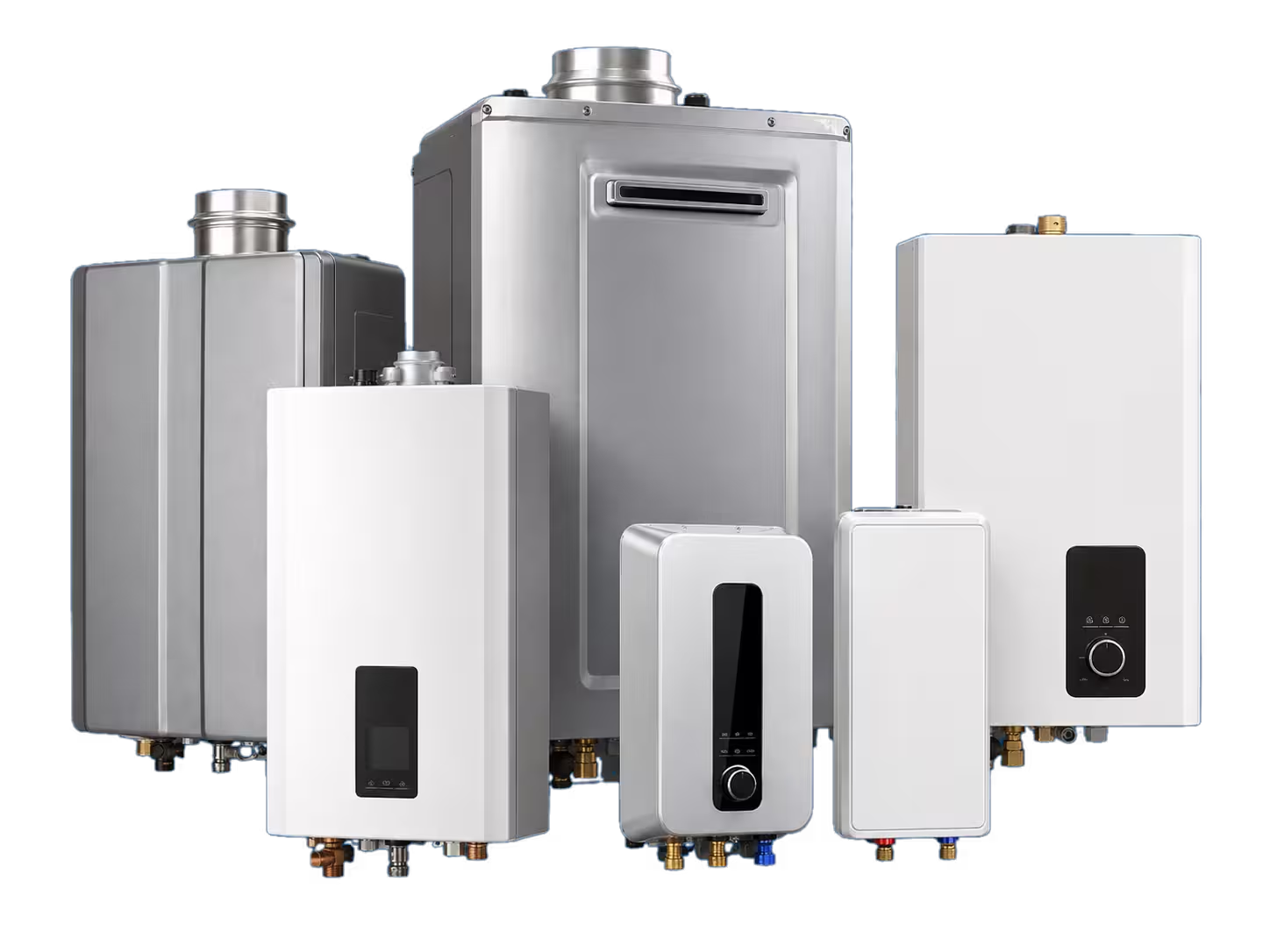
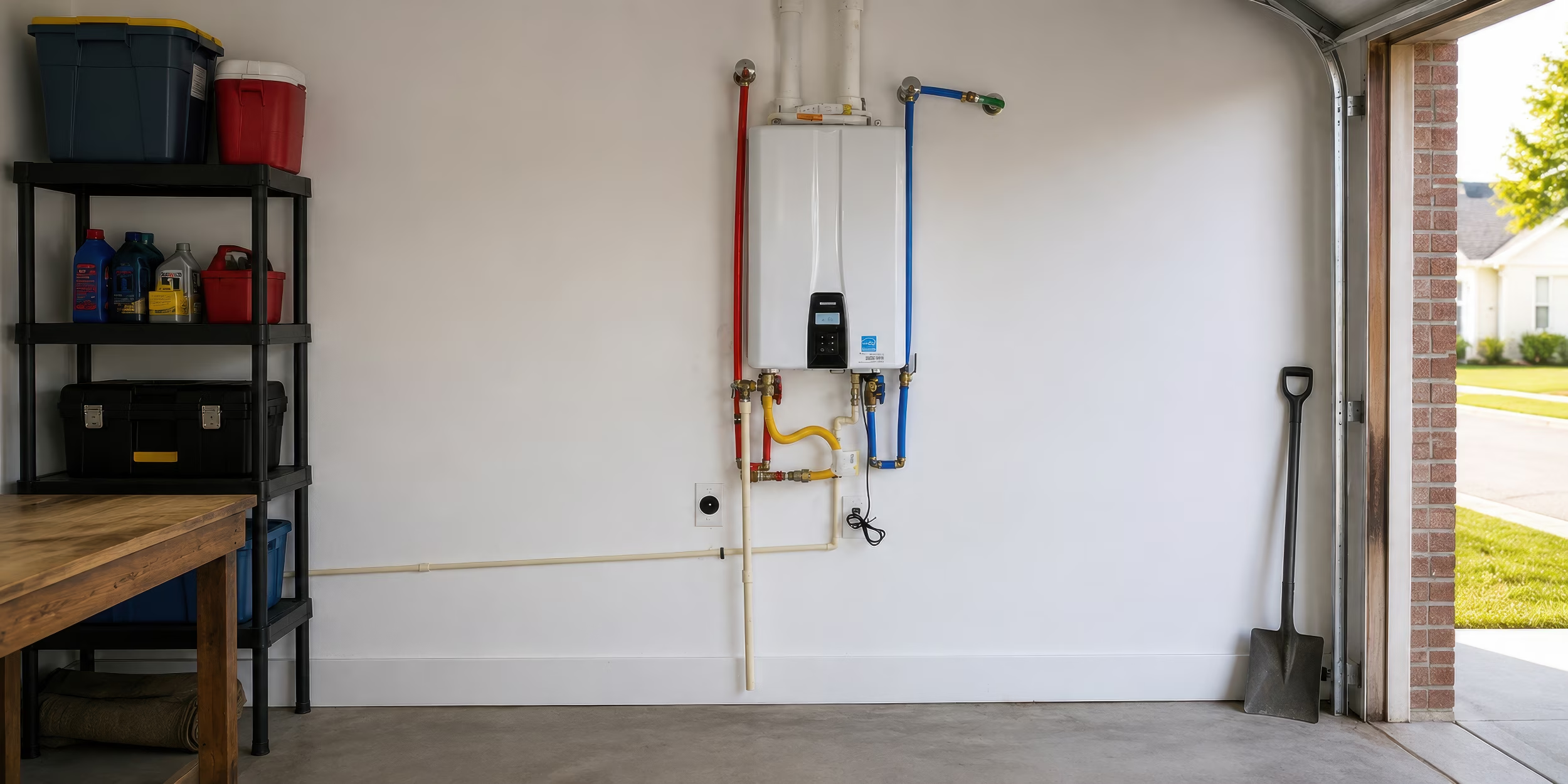
Gas Tankless Water Heaters

Best for: Many whole-home applications with an adequate natural-gas or propane supply and an approved exhaust route.

Considerations: A tankless gas water heater can have a higher input than a standard gas storage unit. We review the gas line to the heater, regulator, gas meter, combustion, and venting requirements before we install the gas equipment.
Electric Tankless Water Heaters

Best for: Point of use or lower-demand applications where the electrical panel and service have enough capacity.

Considerations: Whole-home electric tankless equipment may draw substantial power. Electric water heaters of this type can need multiple dedicated circuits, so plumbing and electrical coordination may be part of the scope.

Storage Tank to Tankless Conversion

Best for: Homes replacing an old storage tank and willing to address the infrastructure the new tankless system requires.

Considerations: The work may include removing the tank, mounting the new tankless unit, changing water pipes, adding service valves, and updating fuel, power, exhaust, or drainage.

What Determines the Right Setup?

We evaluateWhat we reviewWhy it matters
Household demandFixture flow and temperature riseConfirms whether the unit can meet peak demand
Fuel and powerGas supply or electrical serviceShows whether infrastructure upgrades are needed
Location and accessMounting surface, clearances, drain, and service roomSupports safe operation and future maintenance
Water connectionsWater supply line, isolation valve, fitting, and pressure conditionsSupports reliable flow and practical flushing
Safety componentsPressure relief valve, discharge path, combustion, and electrical protectionReduces risk from pressure, fuel, exhaust, or unsafe installation
Code and permitKentucky permit and inspection requirementsKeeps the approved scope aligned with current rules

What Professional Tankless Installation Includes

Professional installation brings the equipment, plumbing, utilities, safety components, and commissioning together as one complete system.

Demand and equipment sizing

We compare fixture use, incoming-water conditions, temperature rise, and rated flow so the unit can meet the expected demand.

Water-connection planning

We plumb approved hot and cold connections, service shutoffs, a fitting, and the pressure relief components required for the selected model.

Gas or electrical coordination

For gas tankless equipment, we review supply capacity and leak testing. For electric tankless equipment, we confirm circuit and panel requirements and coordinate licensed electrical work when needed.

Vent, exhaust, and condensate routing

Indoor gas units need a manufacturer-approved vent system. Condensing models also need a planned condensate route, while outdoor models have different clearance and freeze-protection needs.

Startup and final testing

We turn on the water, purge air, check for leaks, verify controls and outlet temperature, and confirm safe operation before the final walkthrough.

How We Install Your Tankless Water Heater

This overview explains our licensed installation process. It is not a DIY how-to or a substitute for model-specific instructions, permits, licensed gas work, or qualified electrical work.

1

Assess Demand and Utilities

We review fixture demand, temperature rise, available gas or electrical capacity, location, water quality, and whether a gas tankless or electric tankless system is practical.

2

Plan the Approved Scope

We select compatible equipment and plan the permit, materials, venting, water heating connections, pressure relief, condensate route, and required trade coordination.

3

Remove the Old Water Heater

After we turn off the water supply and make utilities safe, we disconnect the water, drain the old unit, and take the equipment out as included in the approved scope.

4

Install New Equipment

We mount and plumb the unit, connect the tankless heater to the existing water system, and complete the approved fuel, venting, condensate, or electrical work.

5

Start and Test the System

We restore the supply to the water heater, purge the lines, turn on the gas when applicable, confirm ignition, and test operation at the fixtures.

6

Complete the Final Walkthrough

Once installation is complete, we explain operation, maintenance, shutoffs, and warranty-related care so you know what to expect from the new system.

Kentucky Tankless Installation and Safety Requirements

Kentucky requires a plumbing permit for a new or replacement water heater. A gas tankless water heater installation can also involve fuel, combustion-air, venting, relief, condensate, and electrical requirements that depend on the model and property.

  • Do not upgrade your gas line or connect black iron pipe without confirming appliance demand, pipe sizing, regulator capacity, and gas-company requirements.

  • A higher input may require a larger gas line or gas meter review before the installer can safely install a gas unit.

  • The approved pressure relief valve, discharge path, vent materials, terminal clearances, and air-supply requirements must match the equipment and property.

  • Never turn on the gas or electricity until the installation has been checked, purged, and prepared for safe startup.

What Affects Tankless Installation Costs?

Costs rise when a conversion needs utility, venting, condensate, electrical, or piping changes. We inspect the property and explain each part of the proposed scope before work begins.

  • Equipment and demand

    Fuel type, rated flow, efficiency, recirculation features, and household demand shape equipment selection and base cost.

  • Gas, vent, or electrical updates

    A new vent route, gas-line upgrade, meter review, condensate drain, or electrical service work can expand the installation.

  • Conversion and access

    Removing a tank, relocating connections, mounting the unit, protecting finished areas, and reaching utilities affect labor.

  • Permit and commissioning

    Required permits, inspections, manufacturer startup steps, and trade coordination are included in the job planning.

Tankless Installation Near Owensboro

Gotta Go Plumbing installs tankless water heaters in Owensboro and nearby western Kentucky communities. We help you compare Rheem, Navien, and other available equipment by application without claiming one brand is the best tankless choice for every house. Our recommendation considers demand, utilities, hard water, service access, maintenance, and the complete installation scope.

  • Whole-home gas tankless planning
  • Electric point-of-use applications
  • Tank-to-tankless conversions
  • Gas-line, venting, and condensate evaluation
  • Permit and inspection coordination

The final recommendation depends on fixture demand, incoming-water temperature, fuel or electrical capacity, venting, water quality, local requirements, and equipment availability.

Map showing the Gotta Go Plumbing service area around Owensboro, Kentucky.

Tankless Installation FAQs

Straight answers about gas and electric options, gas-line and vent needs, hard water, permits, costs, and realistic hot-water performance.

Choosing the right tankless water heater starts with household demand, incoming-water conditions, gas supply or electrical capacity, available wall space, vent access, and maintenance needs. A whole-home gas model often fits houses with adequate fuel service, while electric equipment may fit a point-of-use application better. Before you purchase equipment or upgrade your water heating system, we assess the property and explain whether tankless or a storage option is the more practical fit.

For many whole-home applications, gas tankless equipment is the more practical option when adequate gas service already exists. Using a gas system requires correctly sized fuel piping, the required air supply, an approved vent, and safe exhaust routing. Electric units do not need combustion venting, but larger models can require substantial electrical capacity. The right choice depends on demand, utilities, and the installation scope rather than one fuel type being right for every home.

Maybe. A new gas unit may have a higher input than the old storage unit, so the home's fuel service, meter, regulators, and piping must be checked against the total appliance load. If the calculation calls for an upsized fuel line, that work must be included before we complete a gas-unit installation. We also check the shutoff, approved materials, and every connection to the heater before startup.

Not by themselves. Unlike a storage hot water heater, tankless equipment heats on demand and can run for long periods when sized correctly, but the heated supply still has to travel through the pipe to each fixture. Distance, fixture flow, and recirculation determine the wait. A point-of-use unit or planned recirculation can shorten that delay.

Hard water can leave mineral scale inside the heat exchanger, reducing flow and making the unit work harder. Tankless water heaters require periodic flushing based on water quality and manufacturer guidance; many Kentucky homes benefit from about annual service. We can explain isolation-valve access, flushing, and whether water treatment should be considered before installation.

Yes. Kentucky requires a plumbing permit for a new or replacement unit, and the property may also need electrical or other trade coordination when infrastructure changes. The approved installation must follow applicable code, manufacturer instructions, and inspection requirements. We identify the expected permit path before work begins so the scope is clear.

Installing tankless equipment is not a simple DIY project. If you are trying to install a tankless gas water heater, improper installation can create gas, fire, carbon monoxide, pressure, or exhaust hazards. Electric models can involve high-amperage circuits and panel work. A qualified installation follows the model's installation instructions, permit requirements, and trade rules, then verifies fuel, water, venting, controls, and safe startup before service begins.

Tankless heaters cost more when the job includes removal of a storage tank, relocation, new water piping, a gas-line or meter upgrade, vent changes, a condensate drain, electrical service work, recirculation, or hard-water protection. Equipment capacity and access also affect labor. We inspect the existing setup and separate the unit, installation, permit, and infrastructure work in the proposed scope so you can compare options without surprise add-ons.
Talk to a Plumber