
1
Review the symptom
We document whether the heater stopped producing hot water, is not producing enough hot water, is overheating, or has a leak or breaker issue.
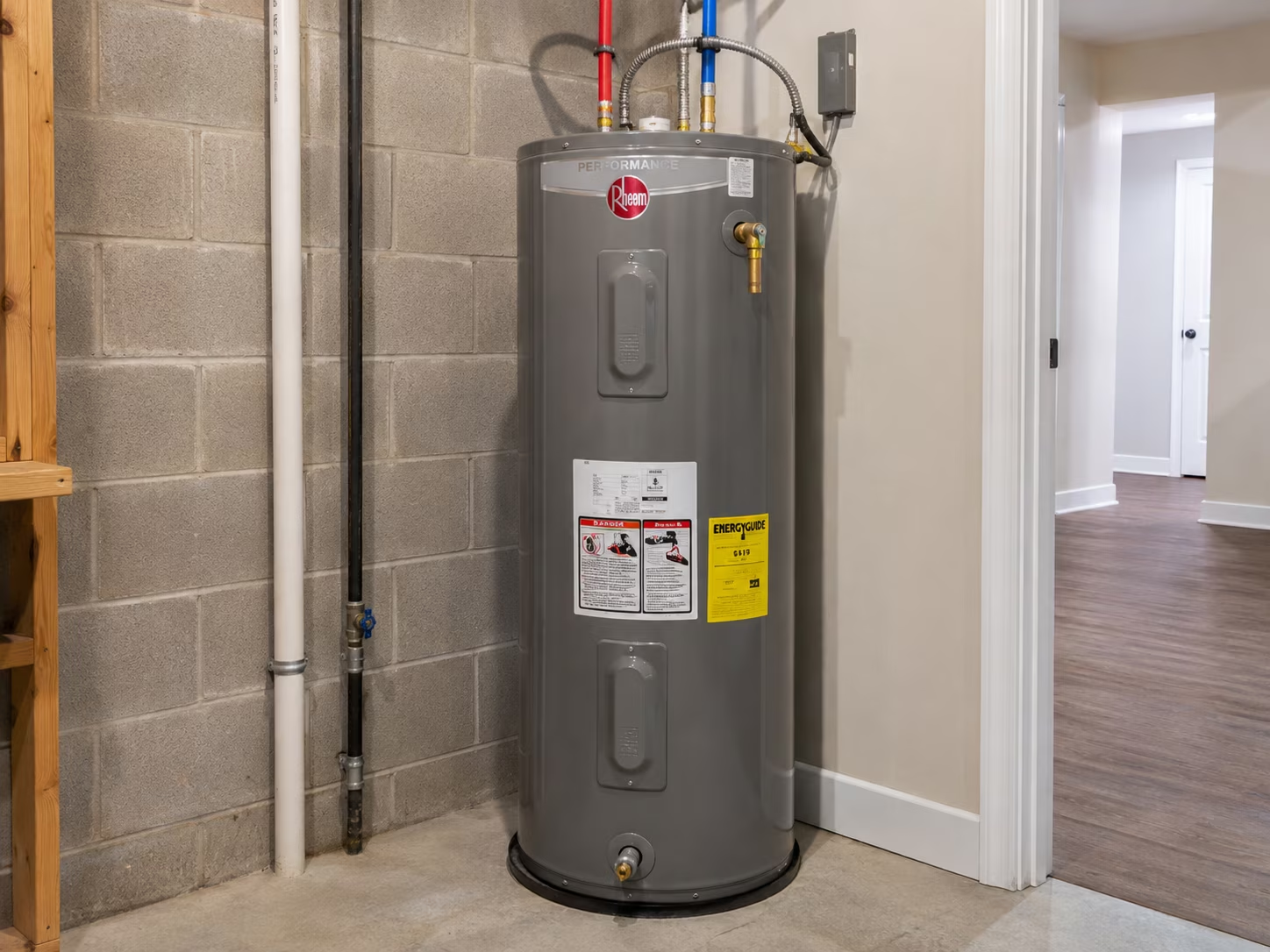
When a standard residential electric tank stops producing enough hot water, keeps tripping the breaker, or starts leaking around the unit, the problem needs a clear diagnosis. Gotta Go Plumbing repairs electric water heater issues involving the heating element, thermostat, reset control, sediment, corrosion, and other symptoms that affect safe, dependable hot water in the home.
Electric storage tanks fail differently than gas models and differently than tankless water heaters. We focus on service calls involving no hot water, insufficient hot water, a failed heating element, thermostat trouble, reset control issues, a leaking water heater, sediment buildup, rust-colored water, and unstable water temperature.
Electric models do not use a pilot light. If someone says the pilot light keeps going out, that points to a gas water heater issue instead. On an electric repair call, we inspect the water heater tank condition, confirm what is actually failing, and explain whether repair still makes sense or whether replacement is the safer long-term move.
Tell us whether the water heater stops working completely, whether you have insufficient hot water, whether the breaker seems to trip, or whether the water is getting hot and then dropping off too fast.
If there is water near wiring, a burning smell, active pressure relief valve discharge, or scalding water, stop using the unit and contact a professional plumber right away.
Move stored items away from the water tank, watch for water leaks near the pan or floor, and keep the area accessible for inspection.
The sooner we troubleshoot the symptom, the easier it is to separate a repairable control issue from a tank that needs to be replaced.
A common electric water heater complaint is no hot water at all. The cause may involve power to the unit, a thermostat that is faulty, or a heating element that has failed.
If the heater is not producing enough hot water for normal use, we look for element wear, sediment, recovery problems, and whether the tank still matches your hot water demand.
A circuit breaker that will not hold or a reset button that keeps opening can point to wiring damage, overheating, or electric water heater problems inside the control system.
When heated water is suddenly too hot, not getting hot enough, or the temperature swings, the problem may involve thermostat calibration, a lower heating element problem, or a broader safety issue.
Water around the water heater tank may come from fittings, a pressure relief valve, condensation, thermal expansion, or a tank failure that changes the repair plan immediately.
Popping sounds, mineral scale, rust-colored water, and visible corrosion are common problems in older electric tanks and often point to sediment buildup, anode rod wear, or a tank nearing the end of its lifespan.
Some calls still point to a focused repair. Others show that the tank is at the end of its lifespan, the water heater tank is leaking, or the next repair would cost too much for the life of the water heater that remains. If the problem is isolated and parts are available, repair may make sense. If the unit is older, corroded, repeatedly failing, or no longer producing enough hot water for the house, replacement may be the smarter recommendation after inspection.
A professional plumber may use a multimeter to test the heating elements and controls after the unit is made safe, but that diagnosis should stay in trained hands.
If replacement is the safer recommendation, we explain the repair and replacement options before you decide whether to move forward with a new water heater.
Some electric tank symptoms should not wait. Water near electrical components, repeated breaker problems, scalding water, or an active leak can move from inconvenience to property damage or safety risk quickly.
Stop using the unit if water is near wiring, the disconnect, or any exposed electrical area.
Call if the water temperature suddenly becomes unsafe, a burning smell develops, or the circuit breaker continues to open.
A leaking water heater with active discharge, water hammer, or relief-valve flow needs prompt inspection before a technician would replace the valve or recommend larger corrections.
A good service visit is not just about swapping a part. We diagnose and repair the full symptom in context so you understand whether the problem is electrical, plumbing-related, pressure-related, or a sign that the tank itself is wearing out.
We start with the symptom you noticed, inspect the tank and controls, and then explain what the safest next step looks like before approved work begins.
We document whether the heater stopped producing hot water, is not producing enough hot water, is overheating, or has a leak or breaker issue.
We inspect the tank shell, visible wiring condition, thermostat areas, heating elements, relief components, and signs of sediment or corrosion.
You get clear guidance on whether repair makes sense, what may need follow-up, and when replacement is the more practical choice.
We explain what affects cost, what we found, and whether to watch the current unit or prepare for a larger water heater service decision.
Pricing depends on diagnosis time, parts, access, the condition of the tank, and whether the visit still points toward repair or replacement. We do not publish flat prices here because every electric tank call depends on what inspection shows.
Diagnosis time, symptom severity, and whether the issue involves one control or multiple common water heater issues.
Parts availability for the heating element, thermostat, pressure relief valve, or related components.
Leak severity, water damage risk, water pressure conditions, and whether thermal expansion or low water pressure complaints are part of the visit.
Tank age, warranty status, access, and whether a safe repair is still realistic or replacement is more practical.
Kentucky and Indiana homes often have electric storage tanks in garages, utility rooms, basements, and closets where sediment, mineral scale, and older controls can quietly affect performance over time. We keep the local context short on purpose: the same symptom-first process matters whether the electric unit is across our service area or another nearby Western Kentucky and Indiana home. If hard water is part of the bigger picture, we can also explain whether a water softener or water-quality conversation belongs after the repair visit.
We review tank age, leak source, visible corrosion, the pressure relief valve, wiring condition, temperature setting concerns, and brand or serial details before recommending next steps.
Use these pages if you need the broader water heater repair topic, general service overview, or help with another plumbing problem in the home.
Compare replacement when an electric tank is leaking, badly corroded, or no longer practical to repair.
View installation service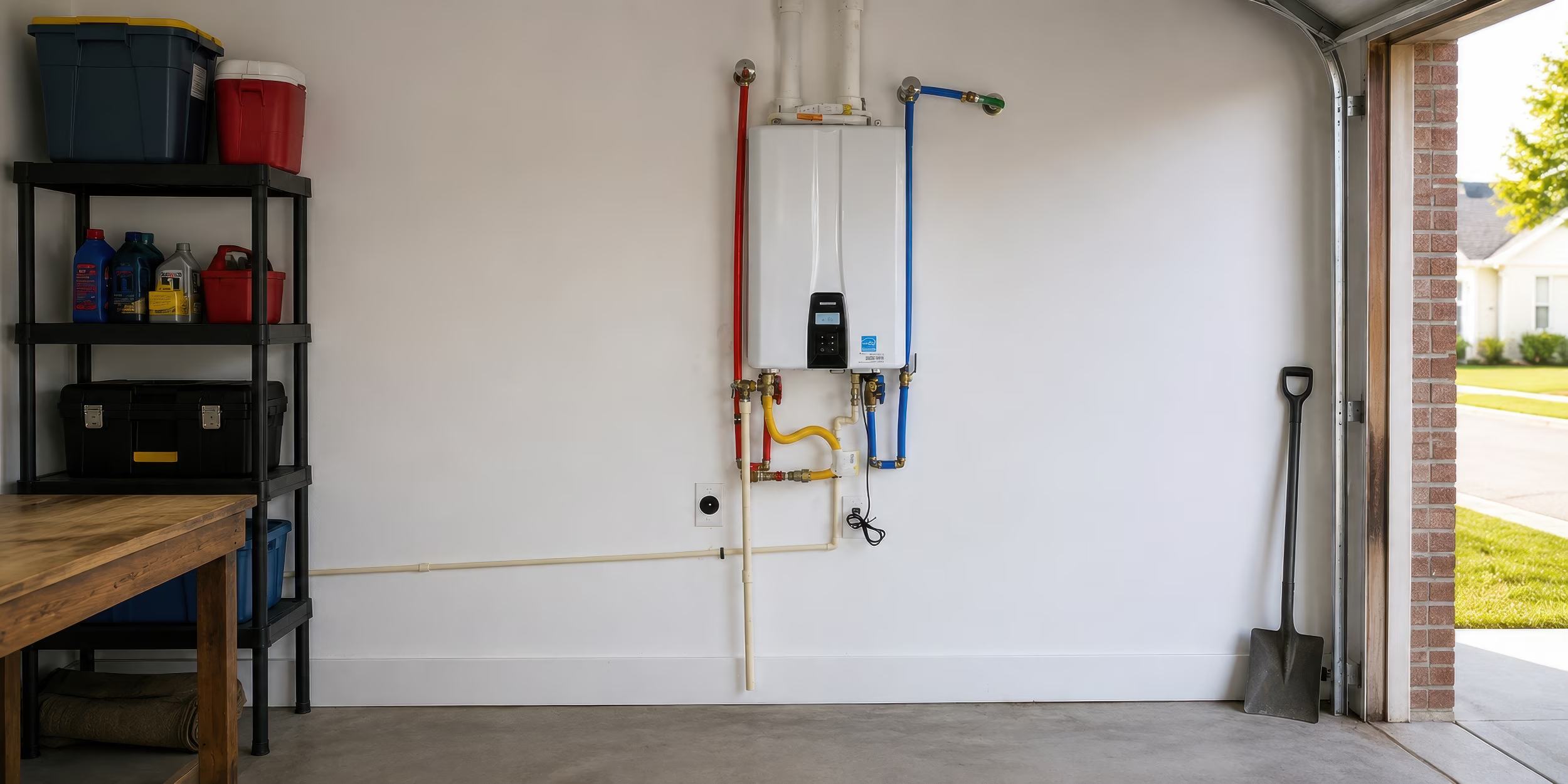
Repair, replacement, installation, and upgrade help.
Learn more
Fast help for leaks, backups, and plumbing problems that cannot wait.
Learn more
Leaks, fixtures, pipe repairs, and everyday plumbing fixes.
Learn moreShort answers for homeowners dealing with electric tank symptoms, safety questions, and repair-versus-replacement decisions.