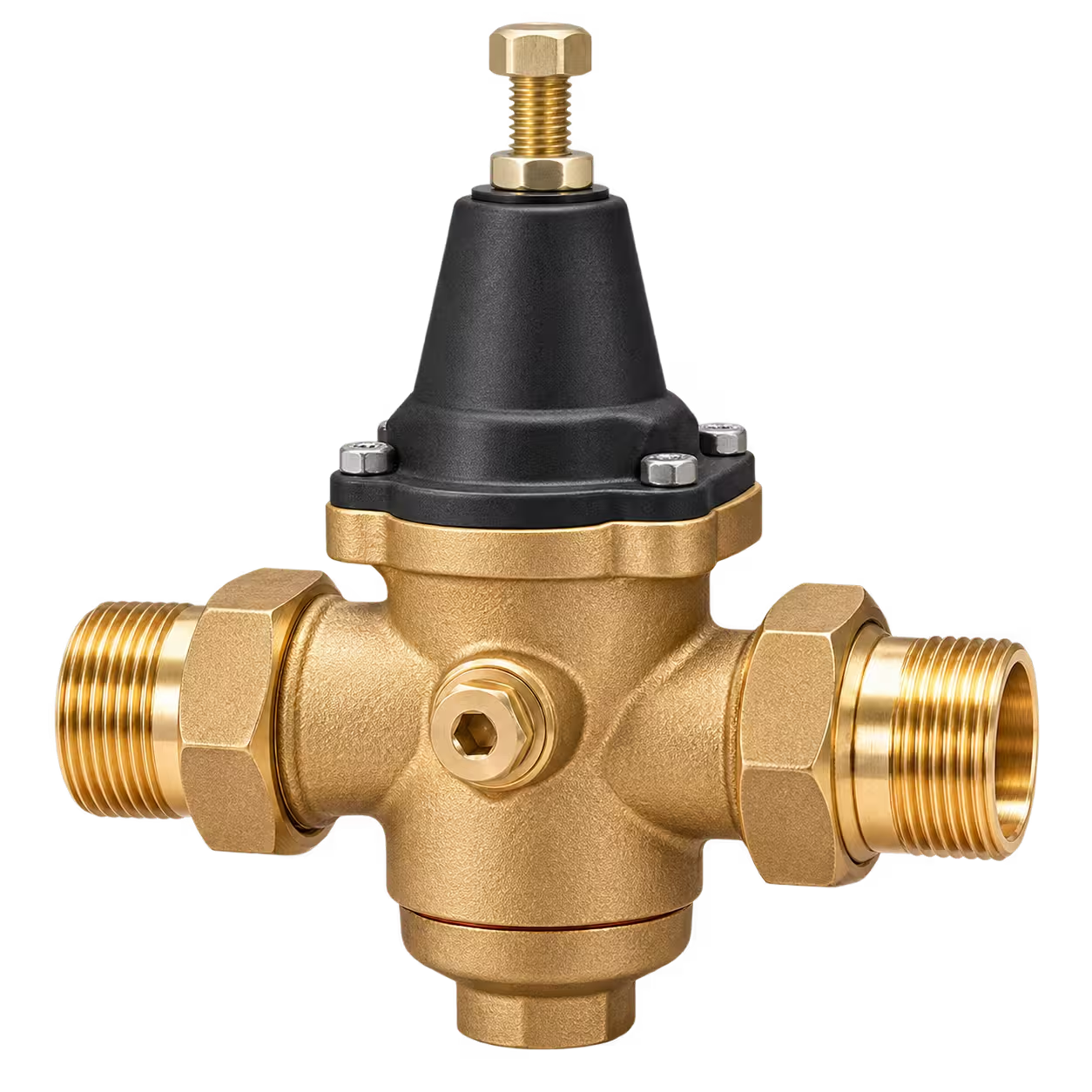

New System Setup
Best for: A home with confirmed excessive incoming pressure and no existing regulator.
Considerations: May require space planning, piping changes, expansion protection, and permit coordination.

High water pressure can place extra stress on supply lines, fixtures, and appliances. Gotta Go Plumbing measures the pressure first, checks the main water line and expansion conditions, and explains whether a PRV should be installed, adjusted, serviced, or replaced.
A water pressure reducing device controls elevated incoming pressure before it reaches the home’s fixtures and equipment. The right plan begins with a gauge reading, not a symptom alone. Weak flow at one faucet can come from an aerator or another restriction, while high static pressure throughout the home points to a different problem. We check the reading with and without water flow, inspect any existing regulator, and look at the hot-water side for signs of thermal expansion. That evidence tells us whether to adjust, repair, replace, or install a pressure reducing valve.
A pressure reading is the evidence that separates a supply-pressure problem from a local flow restriction. We also check whether an existing regulator can be adjusted or serviced before recommending replacement.
Professional work accounts for the complete pressure-control system, not just the brass body in the line.
We document the starting pressure and determine whether the concern is static pressure, poor flow, pressure creep, or another restriction.
We match the regulator to the service size, expected demand, available incoming pressure, and manufacturer requirements. We also verify that the assembly is level, plumb, and supported.
We check whether the new pressure boundary creates a closed system and whether an expansion tank or other approved protection is required.
We use suitable lead-free components and account for transitions between copper and other pipe materials. Correct pressure control can help prevent avoidable fixture damage.
We set the downstream pressure, run fixtures, inspect every disturbed connection for a leak, and explain the final reading.
The exact step sequence depends on access and the existing plumbing, but every job begins and ends with pressure evidence.
We use a pressure gauge to record static and flowing pressure, then locate the regulator or proposed service point.
We compare adjustment, service, replacement, and first-time setup based on the test results and piping condition.
We operate the main control, relieve pressure, protect the work area, and prepare the approved materials.
We cut only the section required, follow the body arrow for flow direction, make the connection, and tighten each joint to the proper specification.
We restore the supply slowly, set the downstream pressure, test several fixtures, and inspect the work for leaks.
We show you the setting, explain maintenance, and provide the documented scope and applicable warranty information.
Kentucky requires a plumbing construction permit for plumbing installation or alteration, and its rules address expansion protection in specified closed-system conditions. Indiana adopts an IPC-based pressure threshold but administers permits locally. We confirm the requirements that apply to the property instead of treating one rule as universal.
A pressure regulator is not a backflow preventer.
Expansion protection is evaluated when the home becomes a closed system.
The selected model and materials must be suitable for potable water.
Permit and inspection responsibility is explained before work begins.
The price depends on the actual scope: a direct swap at an accessible location is different from a first-time setup that requires excavation, a new shutoff, piping conversion, or expansion control.
Access and excavation
A regulator in an open mechanical area is different from one in a yard box, below grade, behind a finish, or near the meter.
Piping and connection changes
Corrosion, mixed materials, damaged piping, unions, and a new house-side shutoff can change the project scope.
System protection and testing
Expansion control, permit work, flushing, pressure testing, restoration, and warranty coverage should be clear in the quote.
Gotta Go Plumbing serves homeowners across western Kentucky and southern Indiana. We explain what was measured, what the evidence means, what work is included, and what result to expect before you approve the job.
Final scope depends on access, incoming pressure, piping material, system design, expansion conditions, and local requirements.
Pressure symptoms can overlap with hidden leaks, restricted piping, water-heater expansion, and broader plumbing concerns.
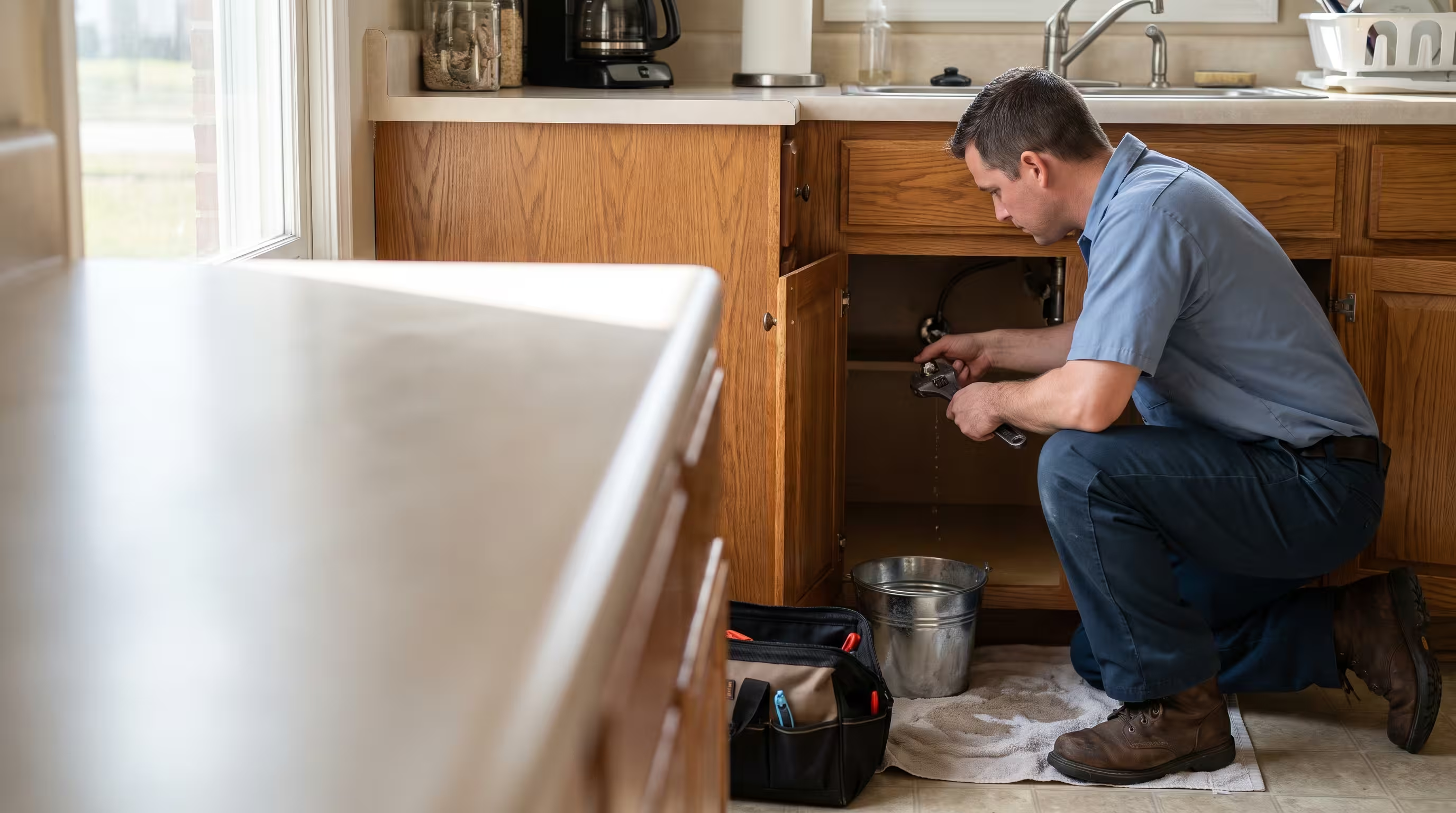
Address a leaking, seized, or unreliable house shutoff before work that depends on safe water isolation.
View shutoff valve service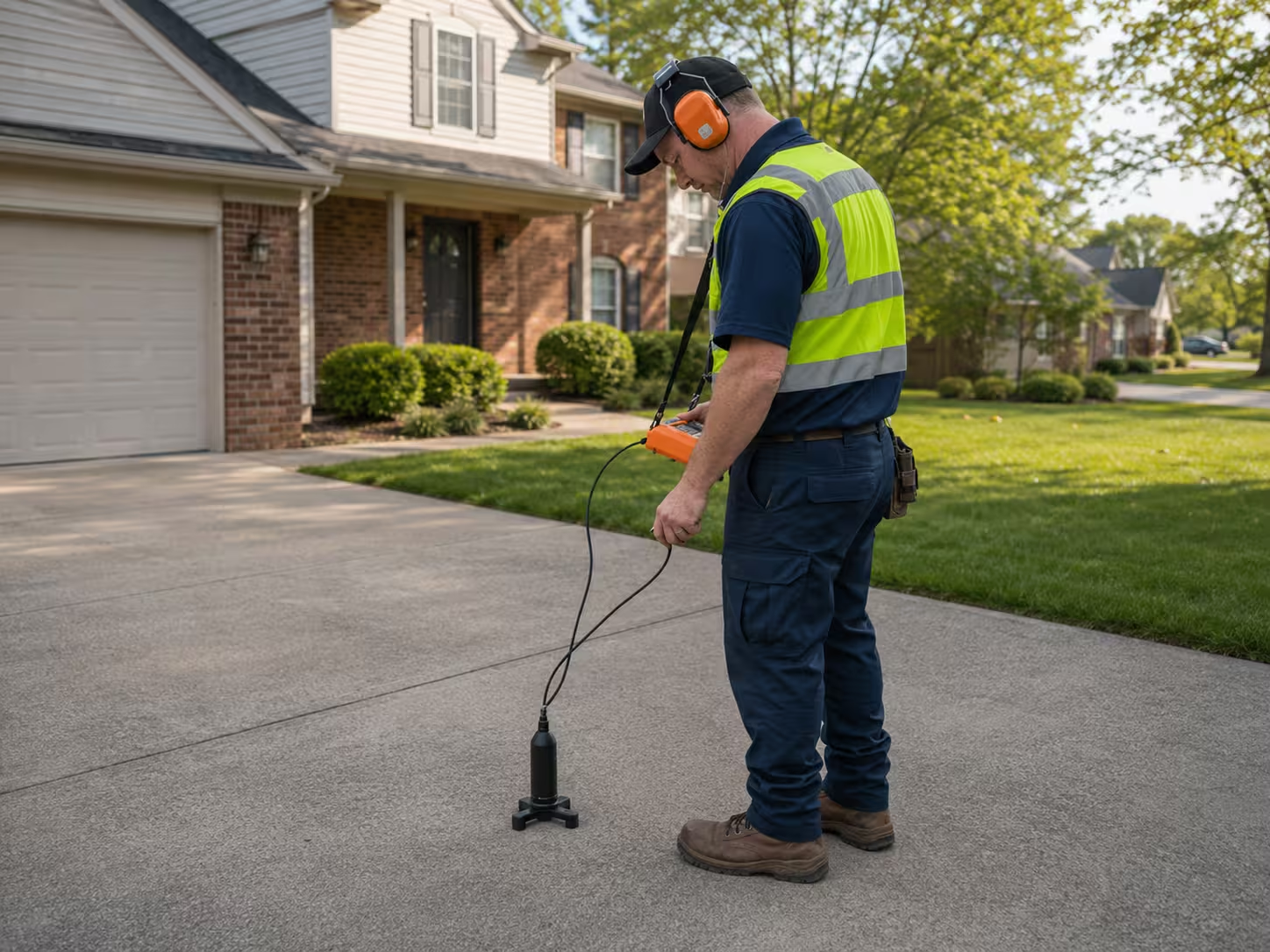
Investigate unexplained water use, damp areas, and hidden supply-line leaks.
View leak detection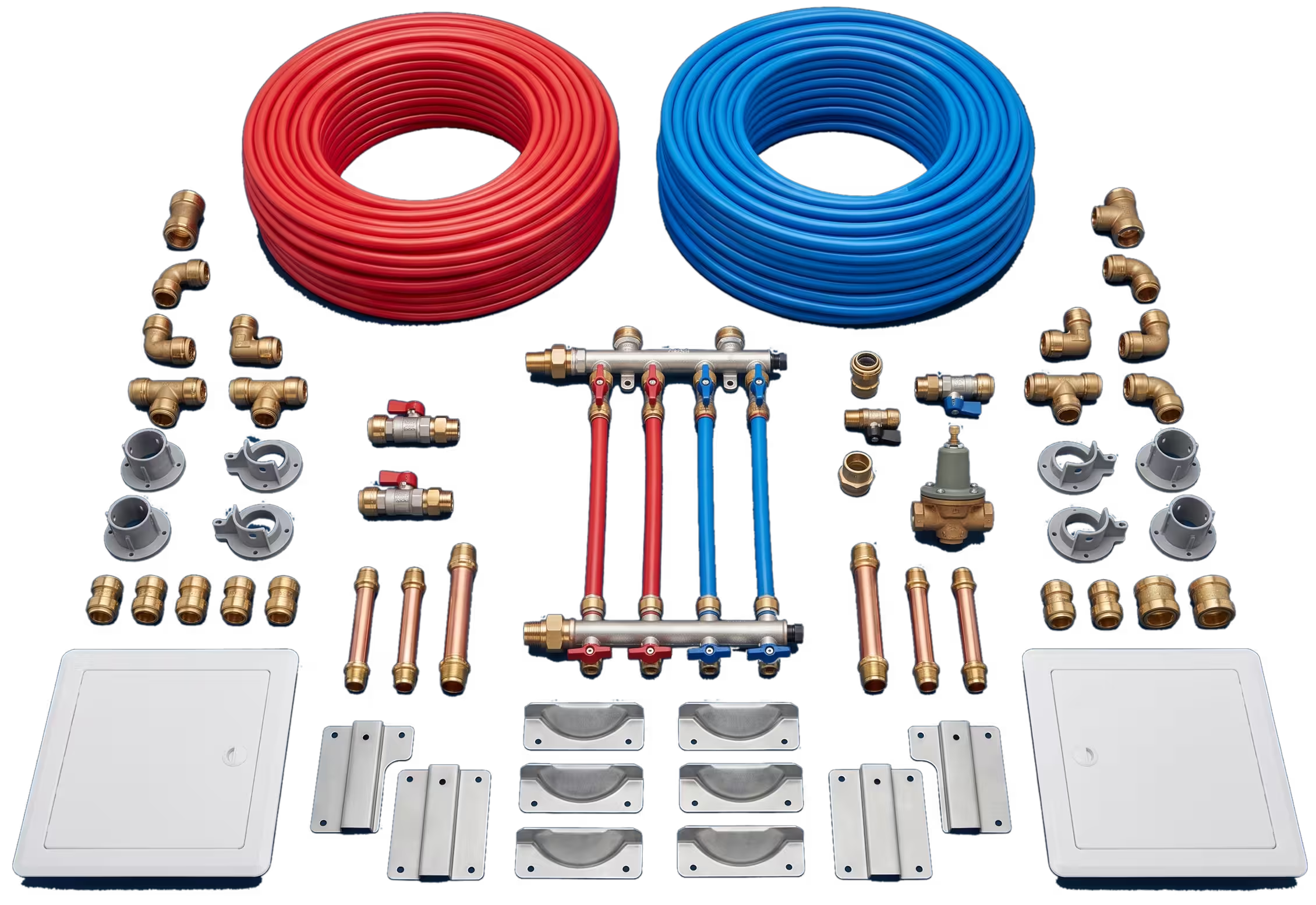
Review aging, restricted, or repeatedly leaking supply piping as a complete system.
View repiping service
Repair, replacement, installation, and upgrade help.
Learn more