
Clear, professional plumbing help
Gotta Go Plumbing

Main Water Shutoff Valve Replacement and Installation Services

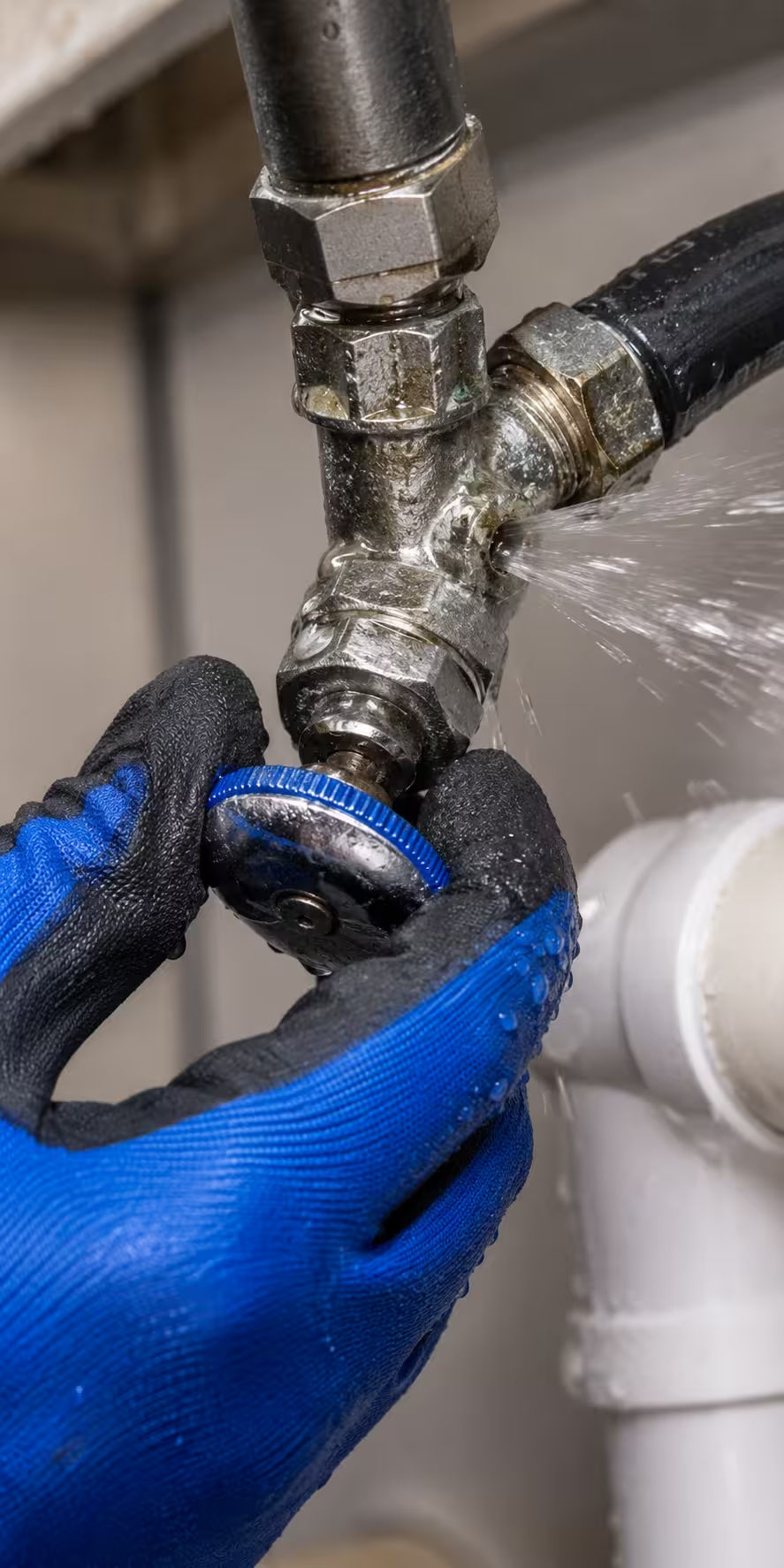
If the main water valve will not close completely, turns with difficulty, or leaks around the stem, the home may not have a dependable way to stop water in an emergency. We inspect the shutoff valve, surrounding water line, and upstream control before recommending valve replacement.

Upstream isolation confirmed
Compatible valve materials
Clear scope before work
Western Kentucky & southern Indiana

When Main Water Valve Replacement Makes Sense

A working main water shutoff should stop the flow of water to the entire house. If the handle moves but water keeps passing, the valve is seized, the body is corroded, or a water leak is forming at the stem or connection, the home may need shut off valve replacement. Before we replace the main control, we determine how to shut off the water upstream. That may involve the water meter, a curb stop, or coordination with the water utility. We also inspect the accessible main water pipe so disturbing an old valve does not create an avoidable problem in the surrounding plumbing system.

When You May Need to Replace the Valve

A symptom tells us where to start, but the inspection shows whether the valve can be serviced or should be replaced. We also verify that the upstream control can stop water before the existing valve is disturbed.

Signs the main shutoff needs attention

  • The main shut off valve will not close or only reduces water flow.
  • The handle, wheel, or stem is seized, broken, or difficult to operate.
  • The valve is leaky or shows visible corrosion around the body or joints.
  • An older gate valve no longer provides dependable control of the water supply.
  • The shutoff is inaccessible when you need to stop water quickly.

What we check before replacement

  • The water meter, curb stop, or other upstream isolation point.
  • The main water line material, size, support, and condition.
  • Whether the concern is the main valve, a local fixture valve, or a supply line.
  • Available access near walls, flooring, equipment, and the water heater.
  • Permit, inspection, and utility requirements for the actual scope.

Ball Valve Replacement and Common Shut-Off Valves

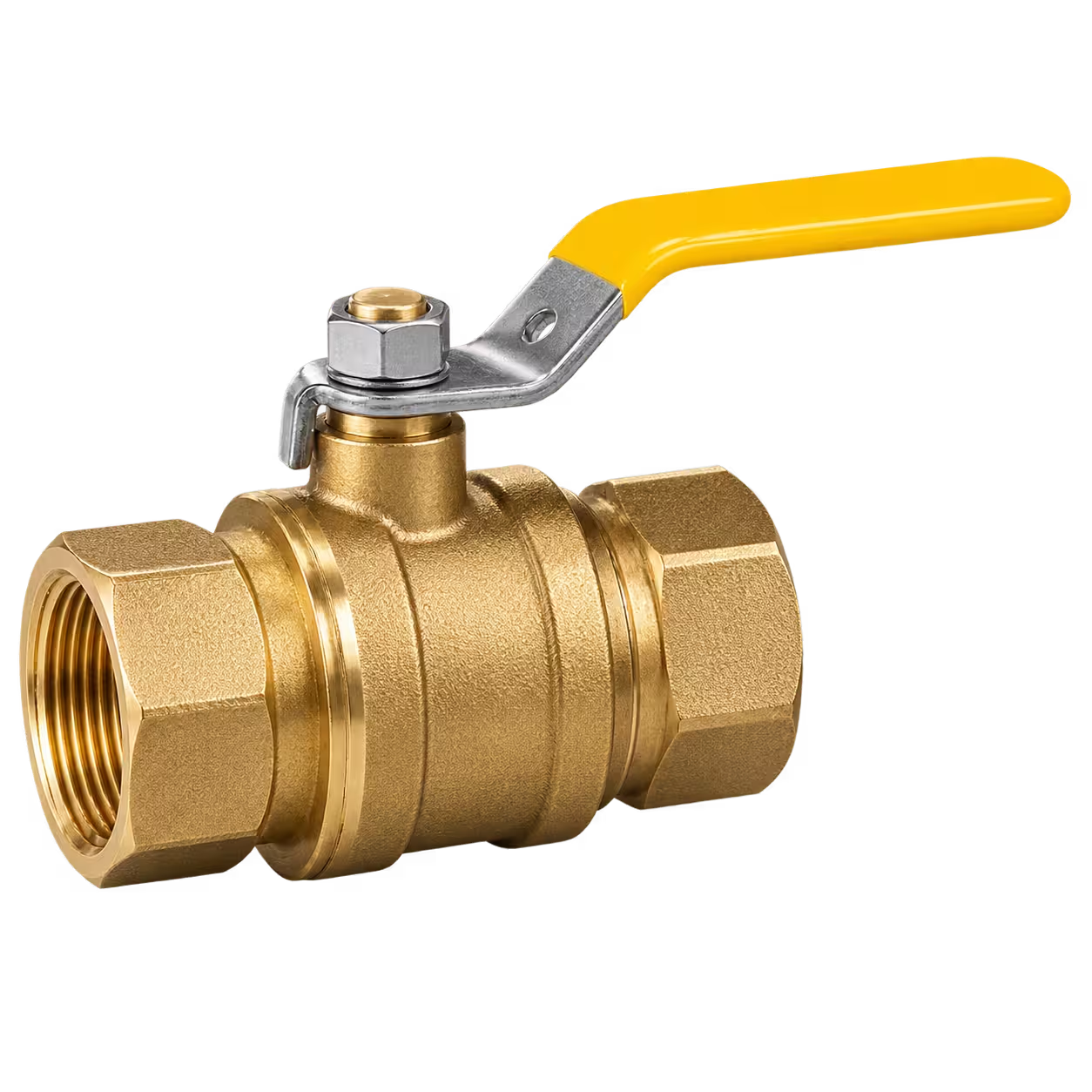
Full-Port Ball Valve

Best for: A new valve that gives the home a clear quarter-turn lever and allows full flow when open.

Considerations: The selected ball valve must match the pipe size, material, joining method, location, and applicable requirements.
Existing Valve Replacement

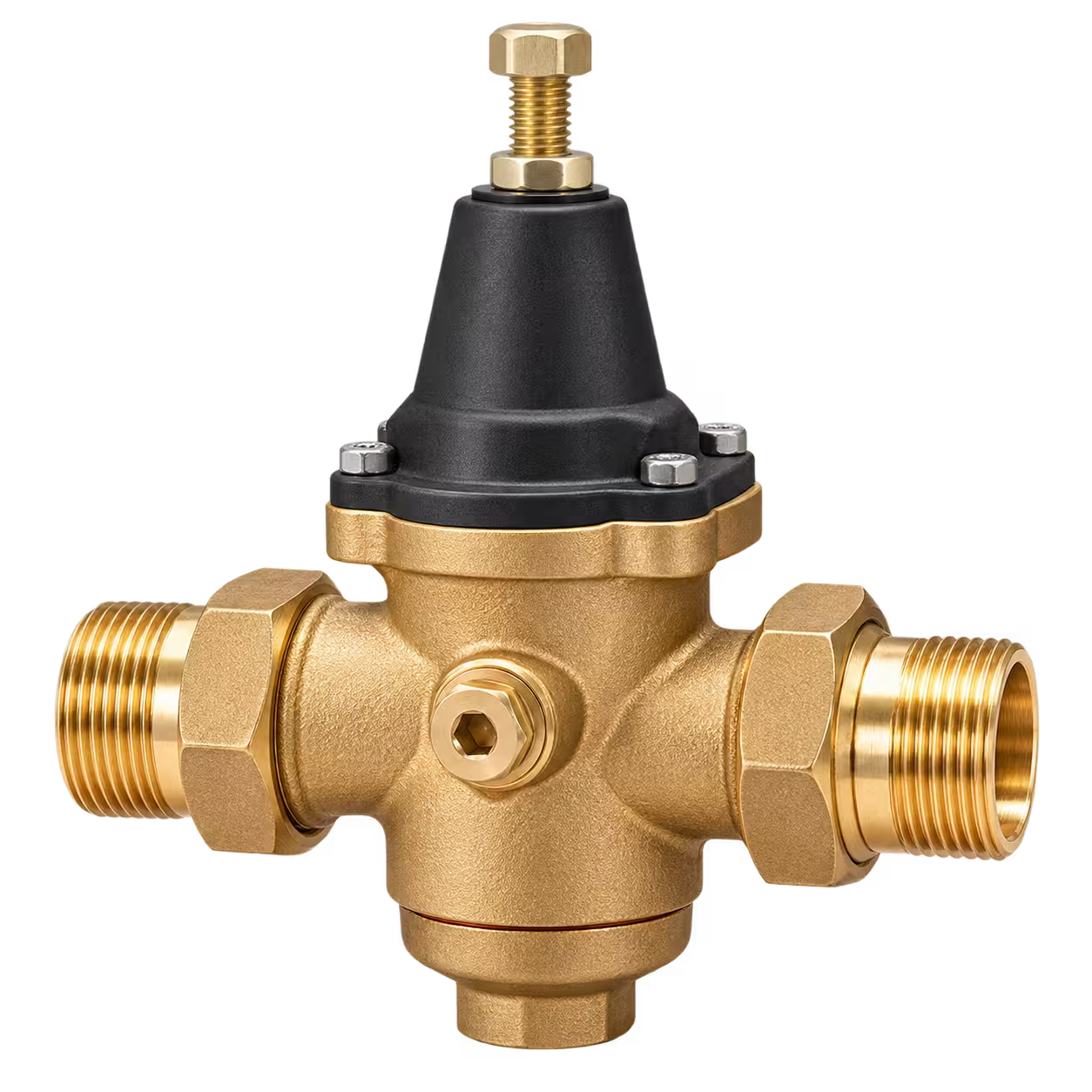
Best for: An old valve that leaks, will not stop water, or cannot be repaired reliably.

Considerations: A gate valve, globe valve, needle valve, or damaged washer-style assembly may require a different removal and piping plan.

How We Choose the Right Water Shut Off Valve

We evaluateWhat we evaluateWhy it matters
Valve typeBall valves and gate valves, plus the existing connectionDetermines operating style, flow, and replacement method
Water pipeCopper, PEX, CPVC, galvanized, or mixed materialsGuides compatible fittings and the safe connection plan
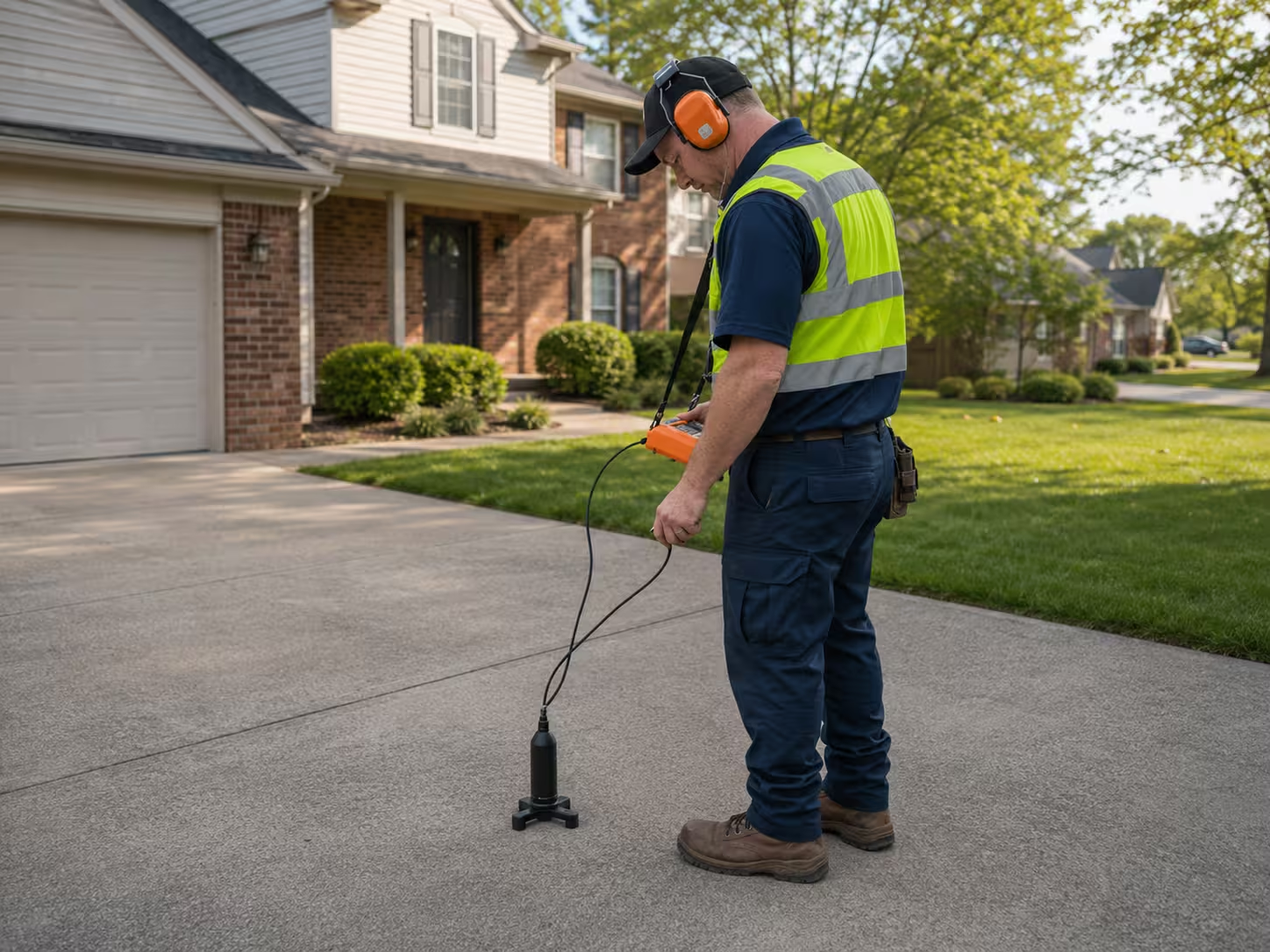
Upstream controlMeter valve, curb stop, or utility coordinationThe old valve cannot be removed safely until incoming water is controlled
AccessWorking room, nearby equipment, walls, and finishesCan change labor, restoration, and scheduling needs
System conditionCorrosion, water pressure, pipe support, and adjacent jointsShows whether a direct swap or a larger section repair is appropriate

What our Licensed Plumbers Check Before Replacement

The practical repair depends on the complete water-isolation path, not only the valve body inside the house.

Confirm the correct main shut-off valve

We distinguish the homeowner shutoff from the meter control, curb stop, and individual faucet or fixture valves.

Plan how to shut off the main water

We identify who can operate the upstream control and what happens if it is buried, seized, or inaccessible.

Inspect the main water supply

We look for corrosion, mixed materials, weak joints, and old pipe that may not tolerate disassembly cleanly.

Separate valve work from service-line work

If the project extends into the water main or private service piping, utility rules, permits, excavation, and restoration may change the scope.

Verify the new main shutoff valve

After the valve is replaced, we restore pressure slowly, inspect each disturbed joint, and confirm that the lever controls water flow completely.

How We Replace the Main Water Shut-Off

A straightforward indoor replacement may fit within one appointment. Upstream access, damaged piping, utility coordination, or permit requirements can add steps.

1

Inspect the Valve and Water Line

We locate the house control, check the symptom, identify the pipe material, and inspect nearby connections.

2

Explain the Replacement Plan

We identify the type of valve, connection method, access needs, and upstream shutoff plan before quoting the work.

3

Stop Water and Relieve Pressure

We shut off the main water supply upstream, open an appropriate faucet, and protect the work area.

4

Remove the Old Valve

We cut out or unscrew the old valve using the method appropriate for the existing pipe and install the compatible replacement.

5

Restore Pressure and Leak-Test

We reopen the supply slowly, purge air, inspect the new valve and every disturbed joint, and test full shutoff operation.

6

Show You the New Main Shutoff

We show you where it is, how the lever operates, what work was completed, and what documentation applies.

Control Water and Protect Your Home in the Event of an Emergency

A dependable main water shutoff helps stop water flow and limit water damage when a pipe, appliance connection, or fixture fails. If water is actively spreading, use the nearest safe shutoff or shut off the main if you can reach it safely, keep electrical equipment away from the wet area, and call for help.

  • Know where the main water shutoff is before a leak happens.

  • Do not force a seized handle or utility-owned control.

  • Move belongings away from active water when it is safe.

  • Call the water utility when its equipment must be operated.

How Much Does It Cost? Water Shut-Off Valve Replacement Cost Factors

The cost to replace a main shutoff depends less on the retail valve and more on access, the upstream isolation plan, adjacent piping, required restoration, and local requirements.

  • Access and upstream isolation

    An exposed indoor shutoff is different from a valve behind a wall or near a blocked meter, buried curb stop, or inaccessible main water shut-off.

  • Valve materials and piping condition

    Pipe size, PEX or copper transitions, stainless steel valves where appropriate, corrosion, and damaged adjacent pipe can change the parts and labor required.

  • Permits, utility work, and restoration

    Permit or inspection needs, utility coordination, wall access, excavation, and finish restoration should be identified in the written scope.

Main Water Shutoff Service Across Our Service Area

Gotta Go Plumbing serves homeowners across western Kentucky and southern Indiana. Because water-utility boundaries and permit administration vary, we check the property and actual work scope before giving a final recommendation.

  • Main water shutoff valve installation
  • Main shut-off valve replacement
  • Old gate valve replacement
  • Full-port ball valve installation
  • Final pressure and leak testing

Final scope depends on access, pipe condition, the upstream control, valve type, utility responsibility, permit requirements, and whether service-line work is needed.

Main Water Shutoff Valve FAQs

These answers cover valve location, replacement cost, common valve styles, and what changes the scope.

The main water shut-off valve is commonly near the point where the main water line enters the building, but the location varies by home. It may be near a basement wall, crawlspace entry, utility room, garage, or water meter. A plumber can help distinguish the homeowner valve from a utility-owned curb stop or meter control.

Water shut-off valve replacement cost depends on access, pipe material and condition, valve size, the method used to stop water upstream, permits, utility coordination, and restoration. A direct replacement on sound, exposed piping is different from work involving a buried curb stop, a damaged main water line, or wall and floor access. We provide the scope and pricing before work begins.

A full-port ball valve is a common valve choice because its quarter-turn lever is easy to identify and it provides an open flow path when sized correctly. The right water valve still depends on local requirements, pipe material, connection method, available space, and the home’s plumbing. Gate, globe, and needle-style shut-off valves have different purposes and are not interchangeable in every application.

Some packing or washer-related leaks may be repairable when the valve body and surrounding water pipe are sound. Replacement is often the practical option when the main water shutoff will not stop water, internal parts are broken, corrosion is significant, or the existing design cannot provide dependable full flow and shutoff. We inspect first and base the recommendation on what we find.

Replacing the main shutoff is different from changing a fixture supply valve because the incoming water must be controlled before the old valve is removed. If the upstream control fails, the home may have no remaining way to stop water. Before you work on your plumbing, remember that soldering, PEX connections, brittle or corroded pipe, utility equipment, and permits are safer to plan with a licensed plumber.

Ownership and operating rules vary by water utility. The meter valve or curb stop may belong to the utility even when the private main water shutoff valve and supply piping belong to the homeowner. We confirm the upstream plan before scheduling work that requires the water main to be isolated.

After the valve is replaced, the plumber should restore the cold water supply slowly, purge trapped air through an appropriate faucet, inspect every disturbed joint for leakage, and demonstrate that the new valve fully stops and restores flow through the water system. The valve should remain accessible so you can control water quickly in the event of an emergency.
Talk to a Plumber