

PEX Repiping
Best for: Many residential re-routes where flexibility, fewer fittings, and smaller access openings are useful.
Considerations: PEX pipes must be sized, supported, protected, and installed with an approved fitting system.

WHOLE HOUSE REPIPING IN OWENSBORO
Frequent leaks, rusty water, or low water pressure throughout the house can point to more than one failed connection. Gotta Go Plumbing inspects the home’s plumbing system, identifies the existing pipe material, and explains whether a focused repair or complete house repiping is the practical next step. If a whole house repipe is justified, we plan the new pipes, access points, water shutoff, and restoration scope before work begins.
Repiping replaces aging or unreliable water-supply piping with a planned new system. It may be appropriate when old pipes are failing in several areas, corrosion is restricting flow, or repeated leak repairs no longer provide good value. One leak by itself does not prove the whole system needs replacement. We check whether the concern is isolated or system-wide, identify the material and condition of the hot and cold water lines, review pressure, and separate interior piping from the outside service line. The evidence determines whether to repair one section, replace pipes in a limited area, or repipe a house.
The need for repiping is strongest when symptoms appear across more than one branch of the plumbing system. We compare the repair history, pipe material, visible condition, pressure, and leak locations before recommending professional repiping.
Repiping restores the supply network as one coordinated system. The benefit comes from correct sizing, routing, connections, testing, and access—not from swapping one material for another without a plan.
We map fixture branches and the main water supply so pipe sizes support household demand. A coordinated layout can reduce the restrictions and weak flow associated with corroded old pipes.
Properly sized lines help hot and cold fixtures work together more predictably. We still check the main valve, regulator, and supply because repiping cannot correct every source of low water pressure.
Replacing a broadly deteriorated system can reduce the pattern of repeated pipe leaks and emergency openings. It does not prevent every future plumbing issue, fixture problem, drain clog, or sewer concern.
Repiping requires access, but careful routing can limit unnecessary openings. We identify likely drywall cuts, protect work areas, and explain which patching or finish work is included.
After the repiping work is complete, we restore the water supply, check connections, test fixtures, and explain the new layout, shutoffs, and applicable warranty.
The repipe process is planned around the home’s plumbing, access, and daily routine. You receive the proposed scope and pricing before approved work begins.
We review symptoms, repair history, visible piping, leak locations, water pressure, and the service-line connection.
We explain whether a repair, branch replacement, or whole-house repipe makes sense based on what we found.
We compare copper and PEX, map routes, locate shutoffs, and identify drywall or other access points.
We prepare work areas, coordinate water shutoffs, and explain how the active work may affect normal use.
We install approved pipe, fittings, supports, valves, and fixture connections, then pressure-test the completed work.
We test operation, review restoration items, document the completed work, and explain what to expect next.
Kentucky generally requires plumbing permits when a plumbing system is constructed, installed, or altered. A whole-house repipe also needs inspection before concealed work is closed. We identify applicable permit and inspection steps, then explain them in the proposed scope.
Active water leaks should be isolated at the nearest safe shutoff or the main valve while service is arranged.
A lead or galvanized service-line notice is evaluated separately from the interior supply piping.
DIY repiping can affect permits, inspection, manufacturer requirements, and future insurance or resale documentation.
The approved scope identifies pipe work, access openings, fixture reconnections, testing, and any separate restoration.
The cost of repiping depends on home size, pipe material, fixture count, routing, access, permit needs, and restoration. We inspect the property before presenting a repiping quote.
Home size and fixture count
More bathrooms, branches, hose connections, and water-using fixtures require more pipe, fittings, and labor.
PEX, copper, and transition details
The type of materials used in repiping affects material cost, routing, connection methods, and installation time.
Access and drywall openings
An open basement or crawlspace differs from a slab, finished ceiling, multistory chase, or tiled wall.
Repairs beyond the supply pipes
A failing shutoff, pressure regulator, water heater connection, service line, or damaged fixture can change the final scope.
Gotta Go Plumbing provides repiping services for Owensboro and nearby western Kentucky communities. We start with the condition of the home’s plumbing instead of assuming every leak needs a complete replacement. When repiping your house is the practical option, we explain material choices, the time to repipe, water shutoffs, access, restoration boundaries, and pricing before work begins. That clear plan can save you money compared with repeated repairs when the piping is already failing throughout the house.
The final recommendation depends on pipe age and material, repair history, leak evidence, pressure, water conditions, routing, access, permits, and the homeowner’s goals.
Use these pages when the first concern is a hidden leak, water quality, an urgent failure, or broader plumbing repair.
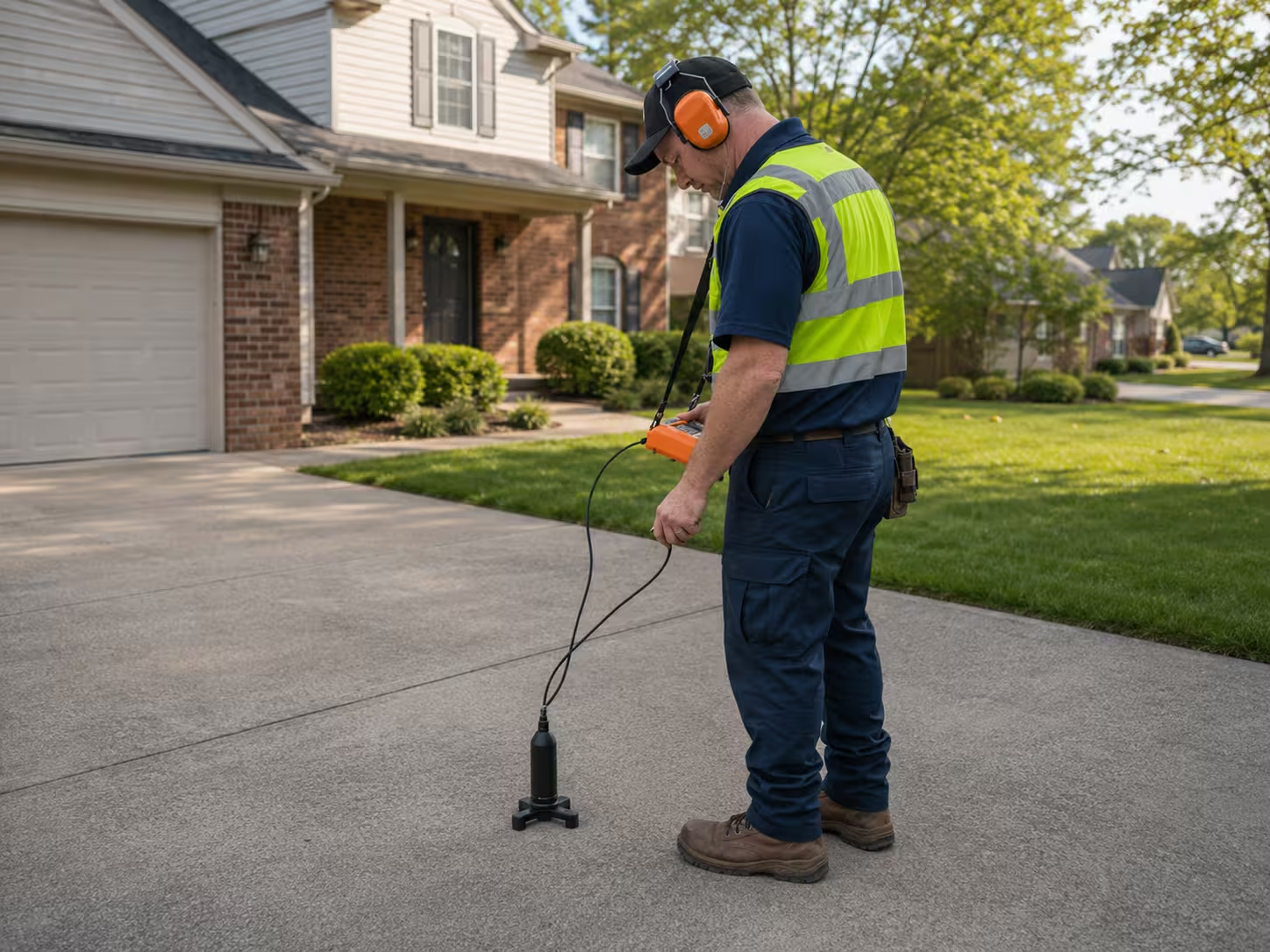
Find hidden moisture sources and confirm whether a pressurized water line is leaking.
View leak detection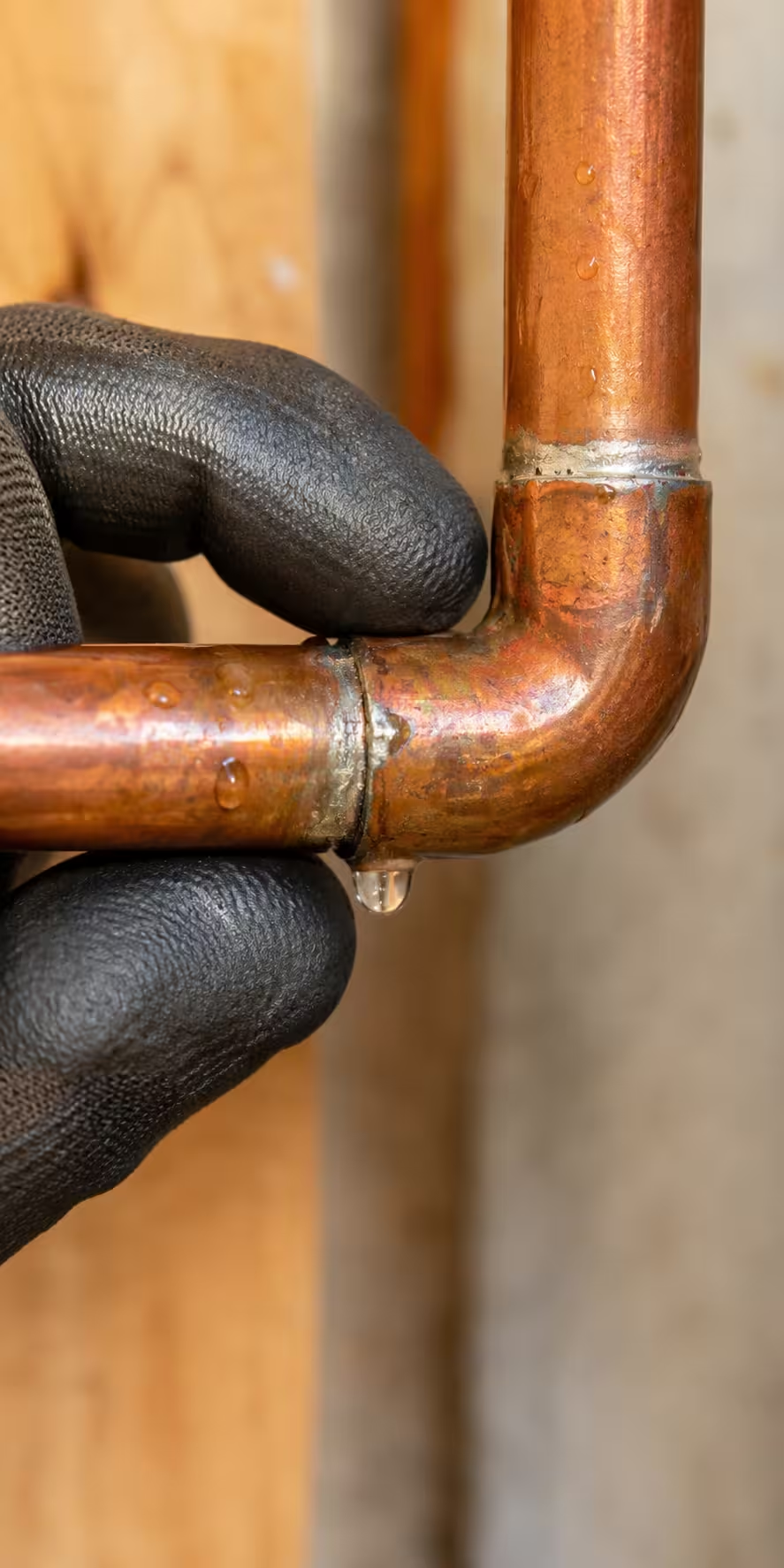
Leaks, fixtures, pipe repairs, and everyday plumbing fixes.
Learn more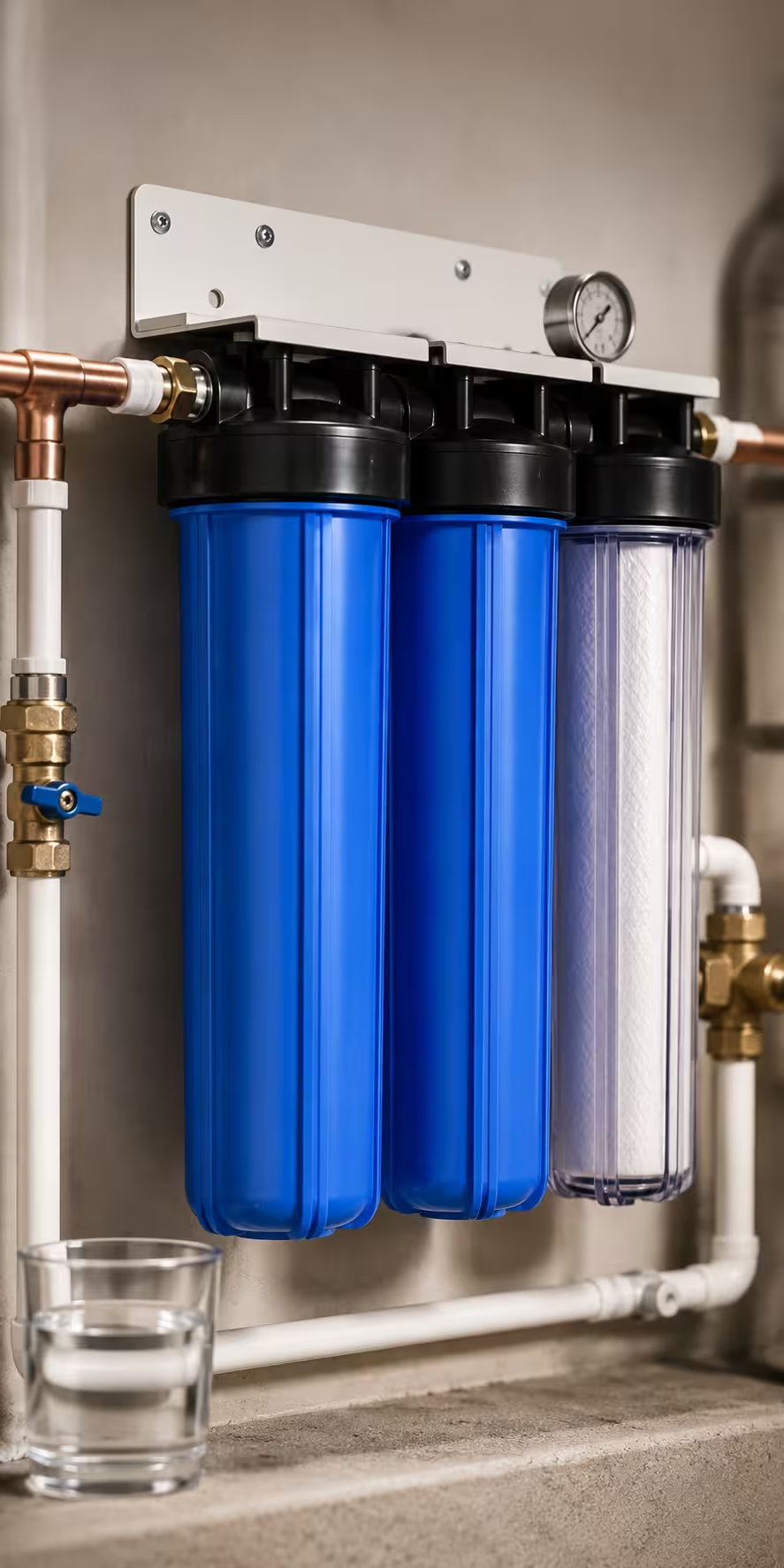
Filtration, softeners, and cleaner-water planning for the home.
Learn more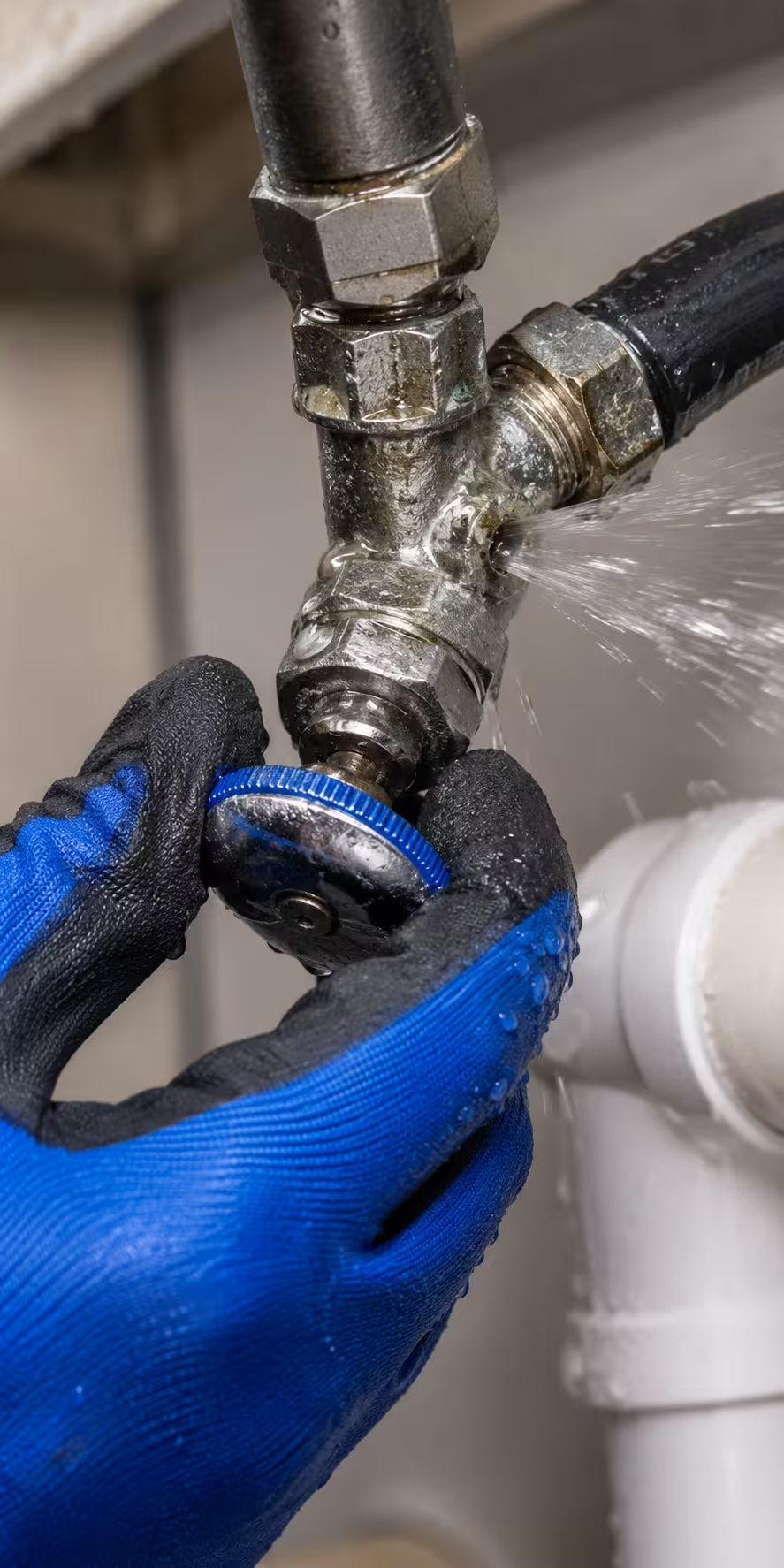
Fast help for leaks, backups, and plumbing problems that cannot wait.
Learn moreStraight answers about repiping a house, materials, costs, access, lead service lines, and the difference between repair and replacement.