
Taste or odor
If the issue shows up at multiple fixtures, it justifies broader whole-house filtration. If it shows up at one sink, a targeted point-of-use solution is usually the better fit.

If your water tastes off, smells strange, leaves buildup behind, or has you wondering whether your home needs a filtration system, the next step feels clear. Gotta Go Plumbing helps homeowners across our service area sort out what the water problem actually is, whether whole-house treatment is the right fit, and what the right solution looks like before any installation work begins.
If the water tastes unusual or carries a smell you notice every day, the first question is what is causing it and whether the issue shows up throughout the house or mainly at one point of use.
Mineral scale on fixtures, cloudy residue, and appliance buildup usually mean hardness issues that need a different solution than whole-house filtration alone.
White, orange, or other persistent staining points to minerals, sediment, or source-specific water conditions that need to be understood before you spend money on equipment.
Whole-house filtration and softening do not solve the same problem, so the recommendation comes from the actual symptom instead of broad product language.
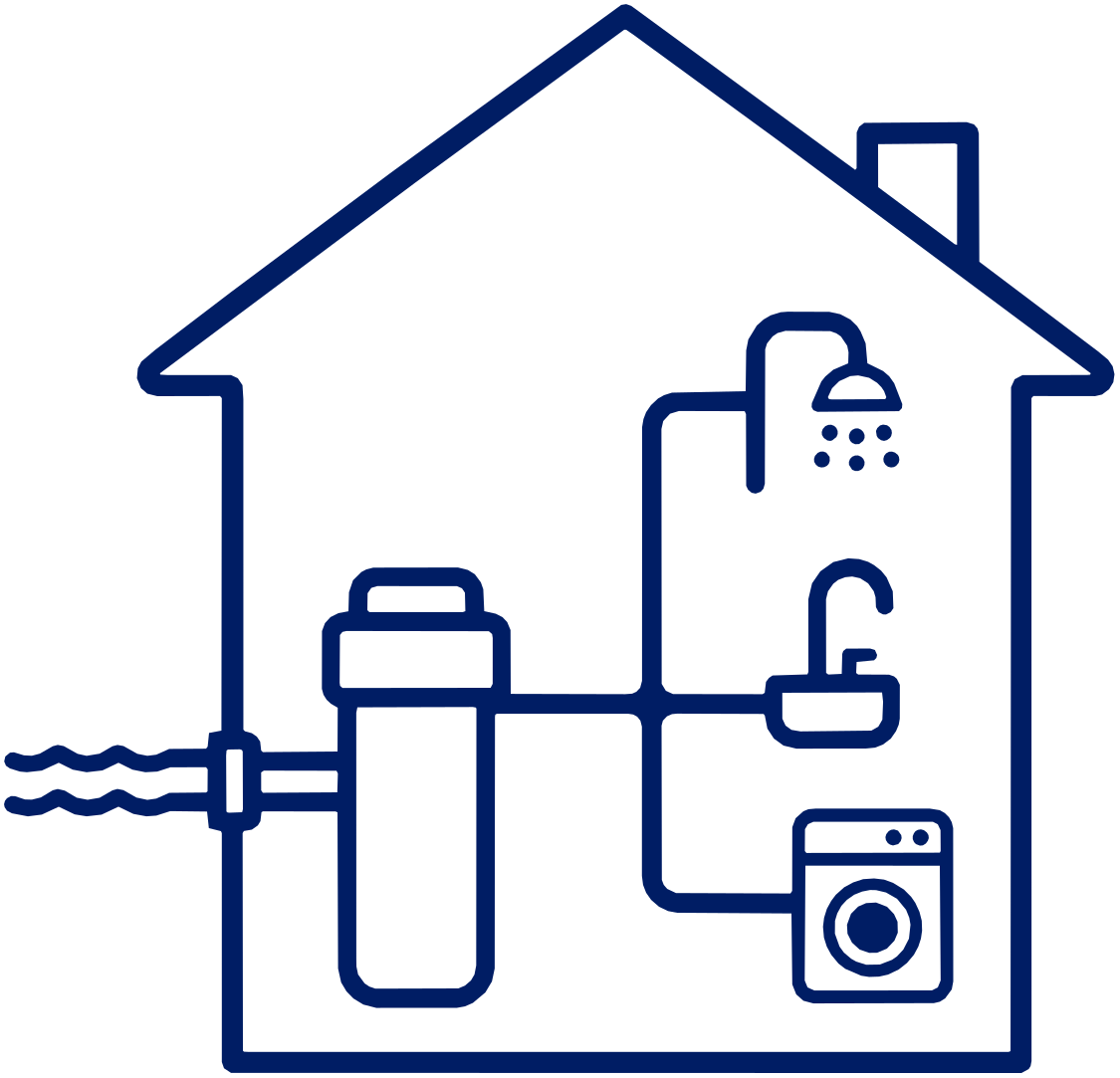
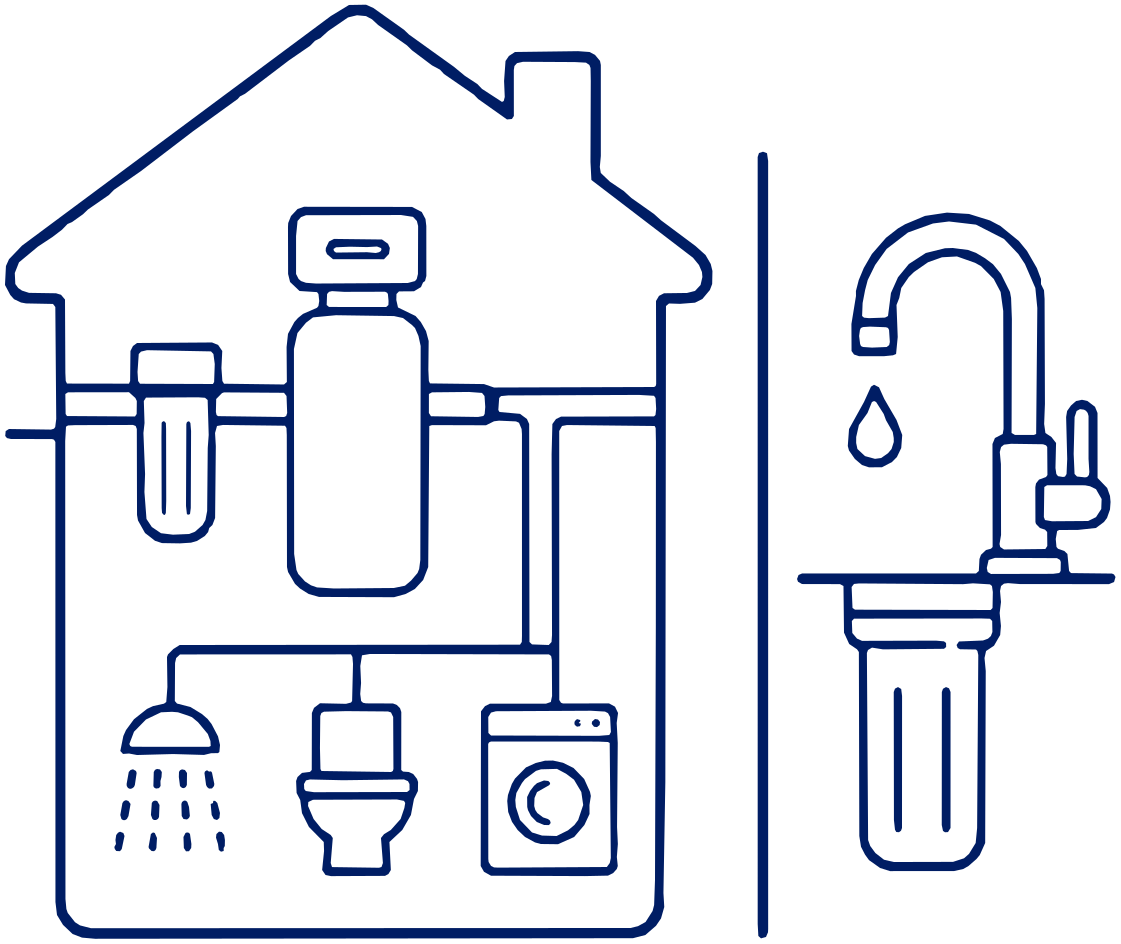
Some water concerns justify broader treatment at the point where water enters the house. Others are better solved at one sink, one drinking-water tap, or one appliance.
The most useful water-filtration visit is the one that helps you understand what the issue likely is, what options fit it, and what happens next before any work is approved.
Water-filtration recommendations do not start with a product. They start with where your water comes from, what you are actually noticing in the home, and whether the issue calls for whole-house treatment, a softener, point-of-use protection, or better diagnosis first.
First, where does your water come from?
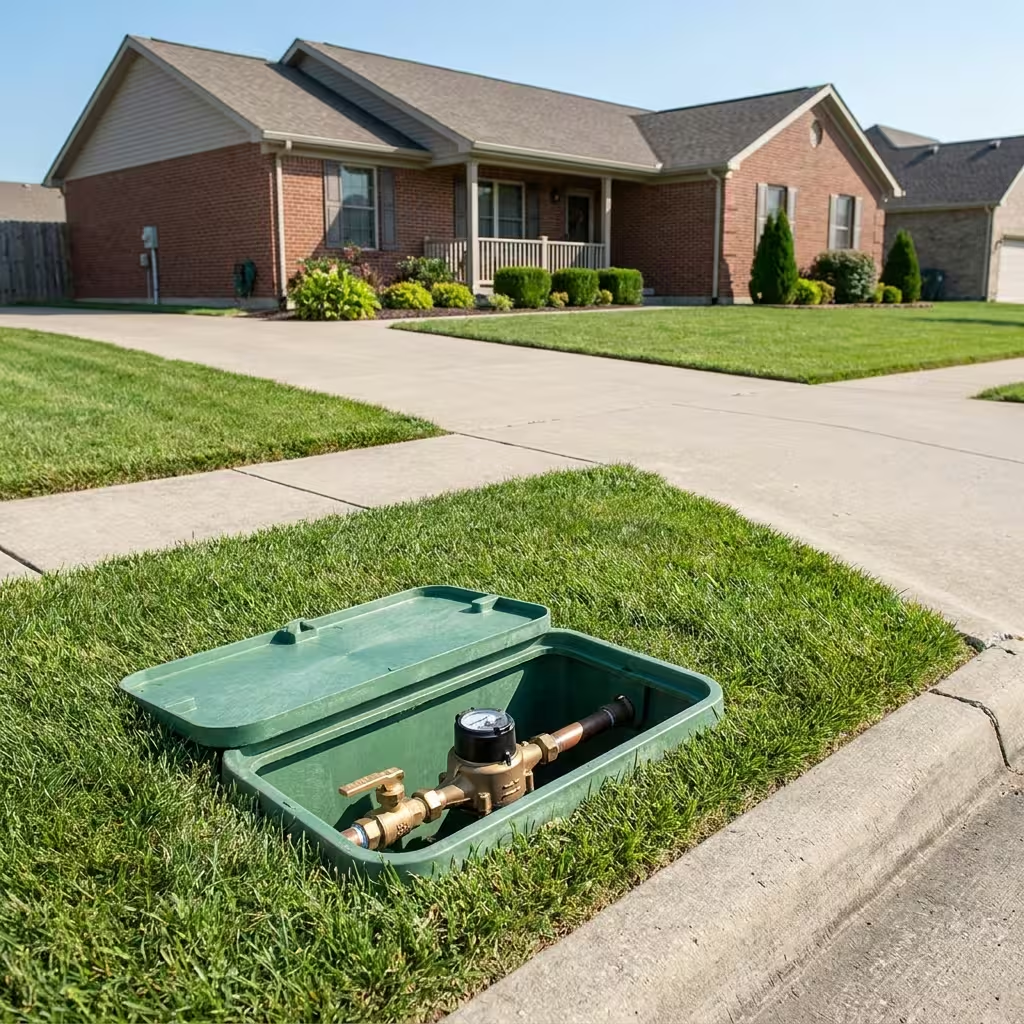
Start with what is known about the local supply, any available water reports, and what is happening inside the home. The right next step is whole-house filtration, a targeted drinking-water option, a softener, or a closer review of the symptom first.
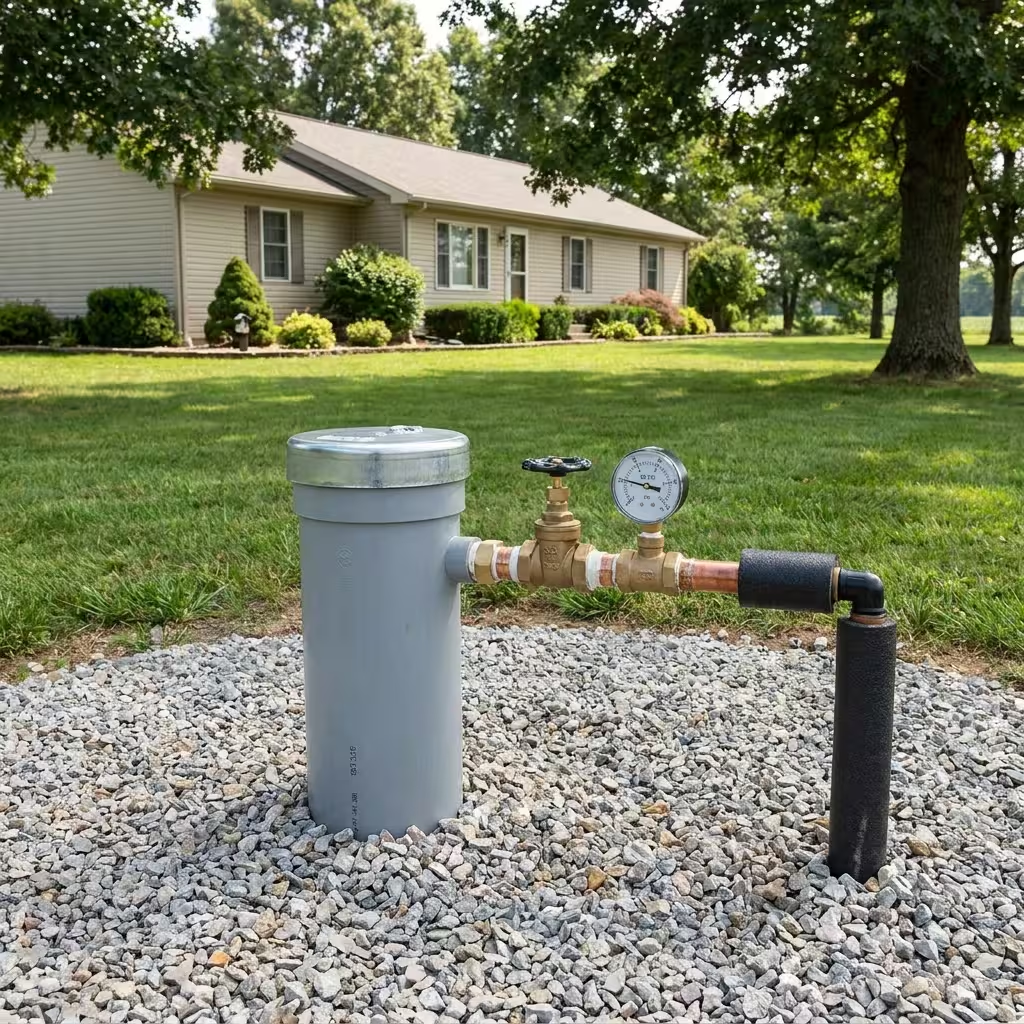
Well-water concerns are usually more custom. Testing often comes first, then the treatment plan is built around the actual water conditions instead of assuming one whole-house filter fits every home.
Then, what are you trying to solve?
Taste or odor
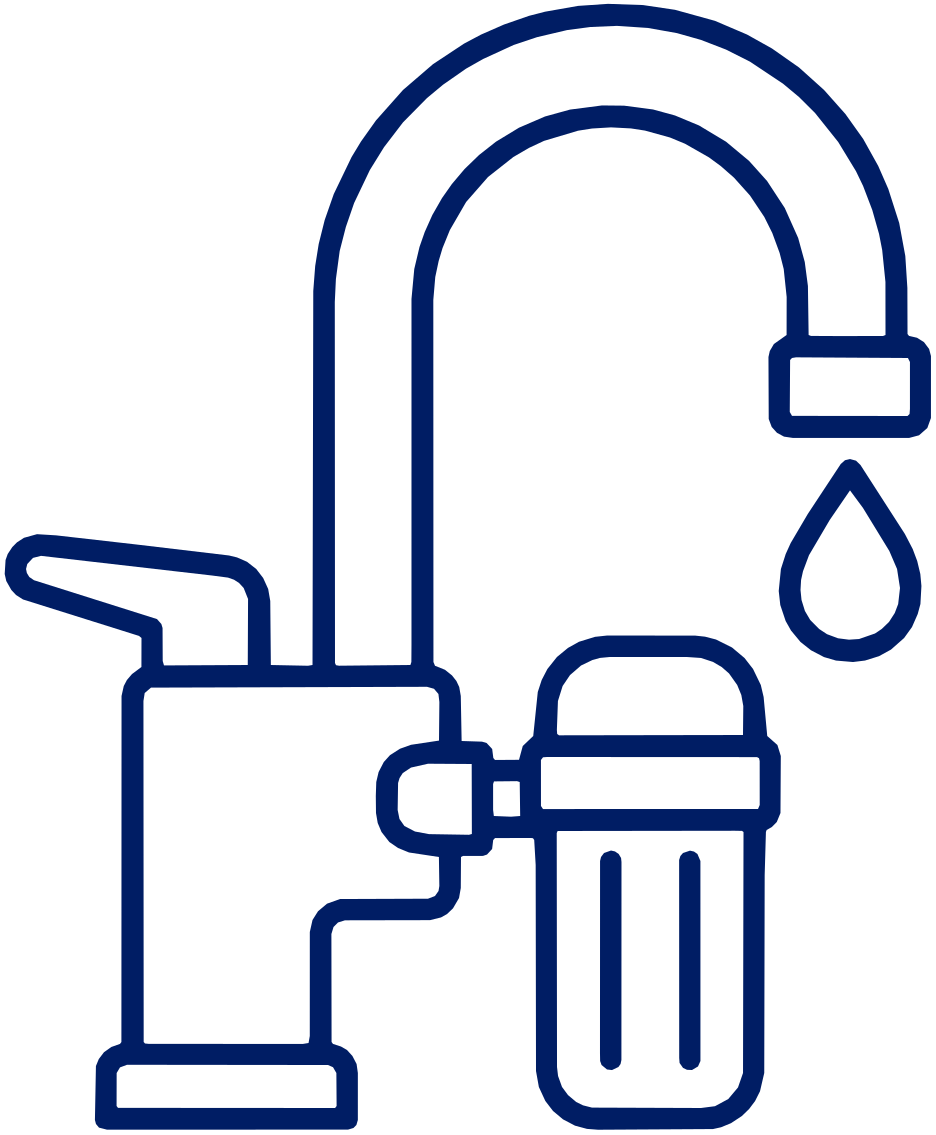
If the issue shows up at multiple fixtures, it justifies broader whole-house filtration. If it shows up at one sink, a targeted point-of-use solution is usually the better fit.
Scale or buildup
White residue, spotted dishes, and soap that does not rinse cleanly often point toward hardness, which is usually a softener conversation rather than a generic filtration pitch.
Staining or discoloration
Persistent orange, brown, white, or other staining points to minerals, sediment, or source-specific water conditions that need to be understood before choosing a whole-house treatment path.
Sediment or cloudy water
Visible particles, cloudy water, or recurring clarity problems are narrowed down before choosing a whole-house filter, prefilter, or another treatment stage.
A concern from a report or test
If you have a report, test result, or specific contaminant concern, the recommendation matches the actual finding and the right certification path, not a one-size-fits-all product claim.
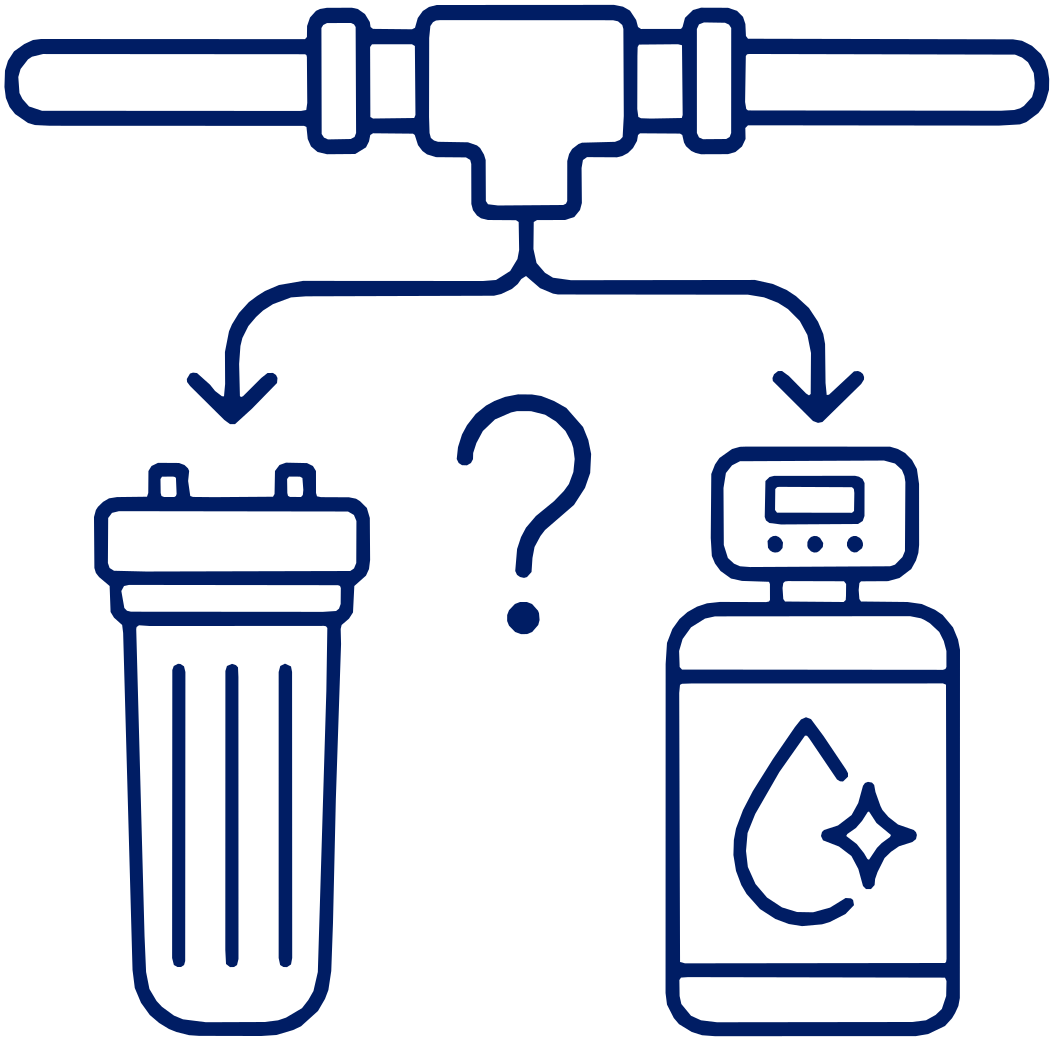
Whole-house filtration and softening are often mentioned together, but they do not solve the same problem. The right recommendation depends on whether the main concern is taste, odor, sediment, staining, scale buildup, appliance protection, or a symptom that actually points back to the plumbing system.
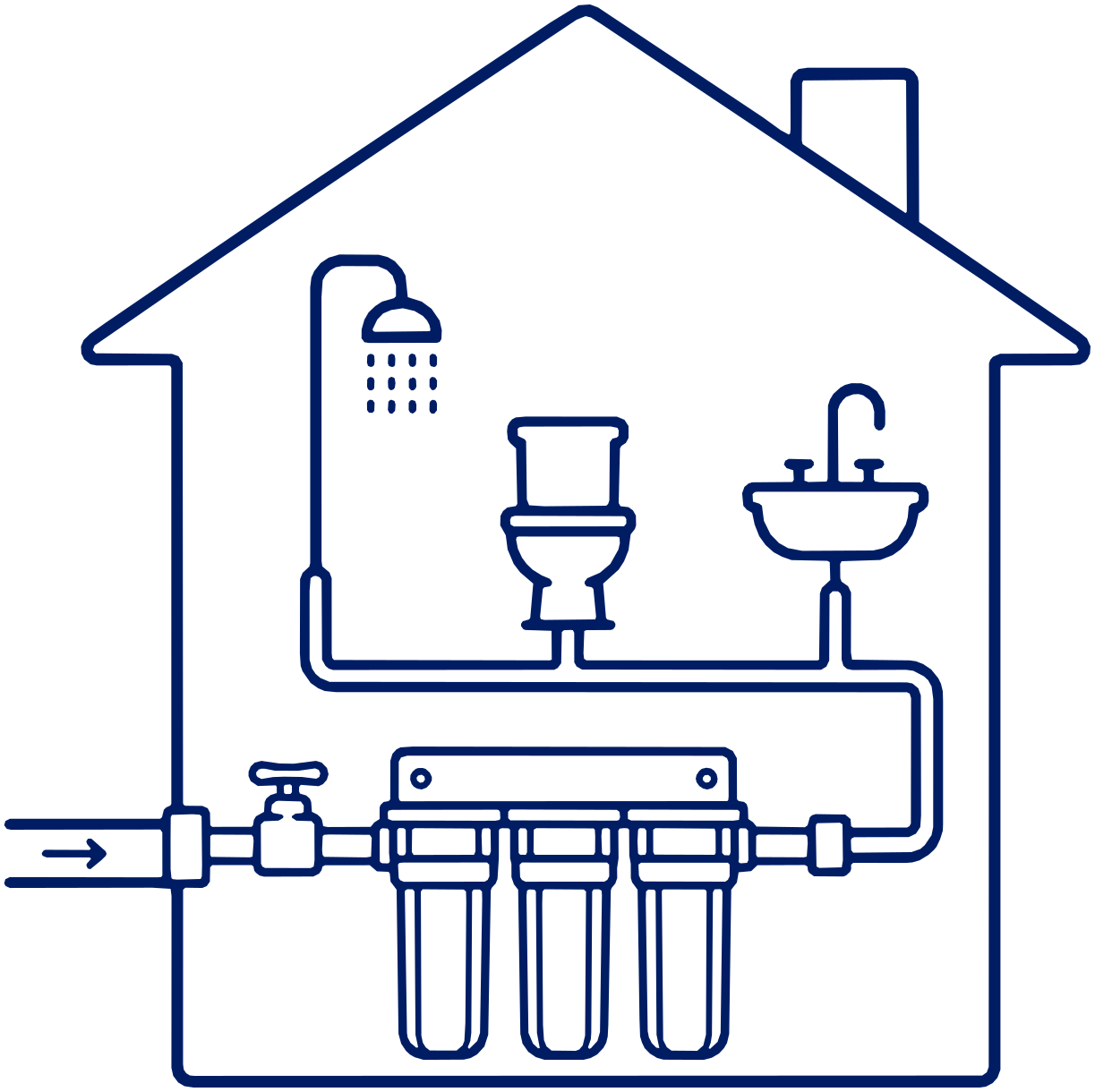
Homes where the main concern is water taste, odor, sediment, chlorine, or a broader water-quality question that justifies treatment at the point where water enters the home.
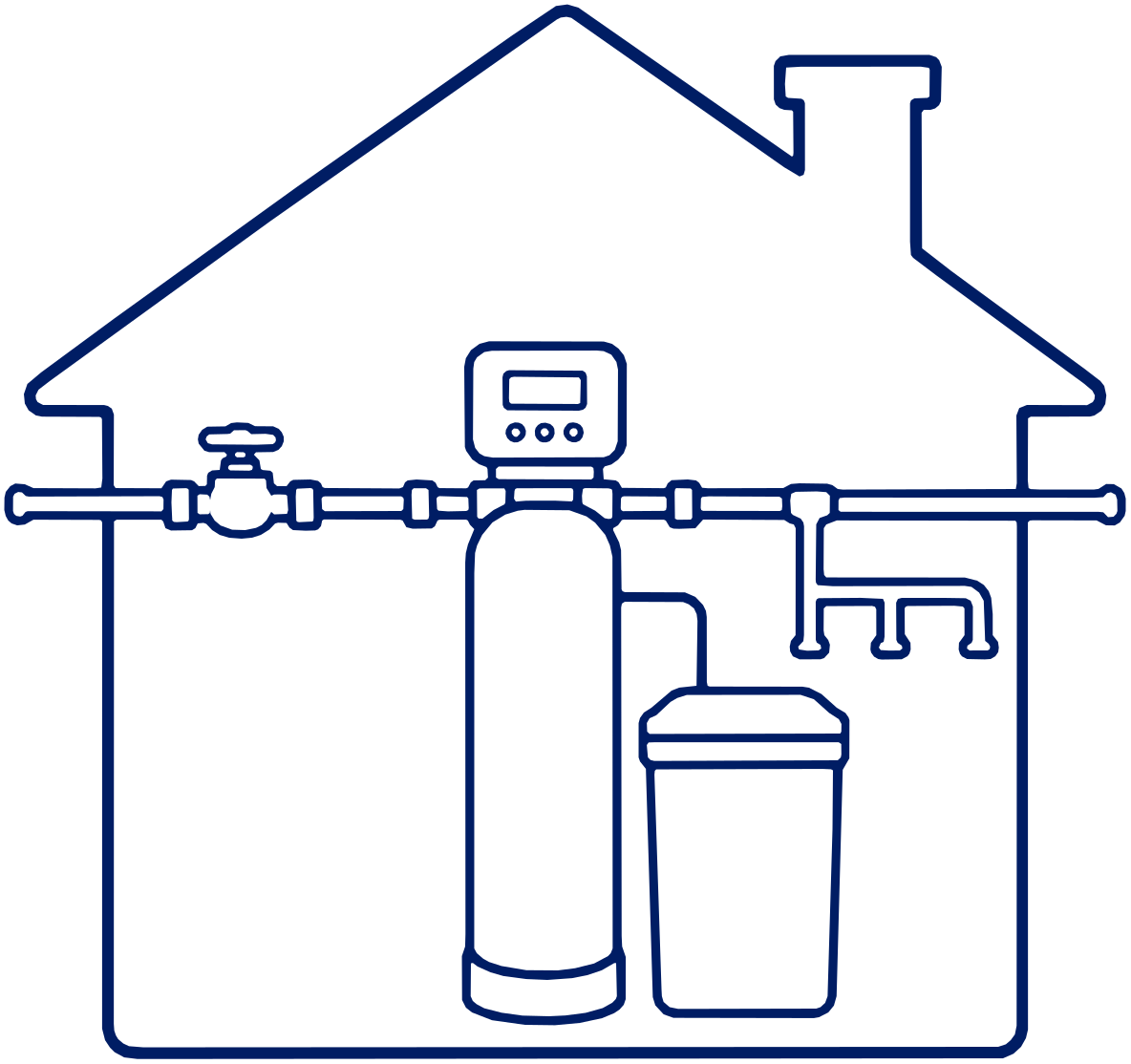
Homes dealing with hard-water scale, mineral buildup on fixtures, spots on dishes, soap-rinse issues, or appliance protection concerns.
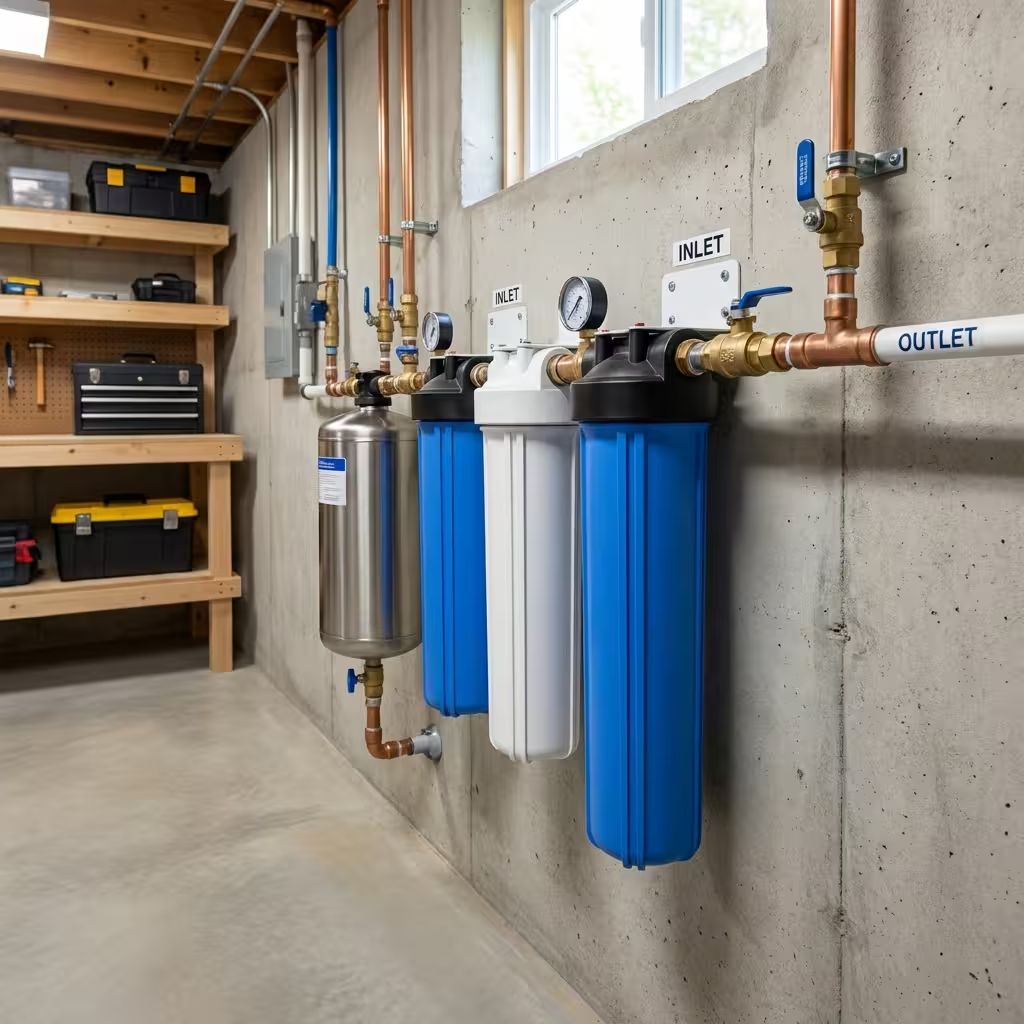
Whole-house filtration is usually the better conversation when the concern centers on taste, odor, sediment, or a known water-quality issue affecting more than one fixture. The important step is matching the treatment to the actual problem instead of buying equipment before the cause is clear.
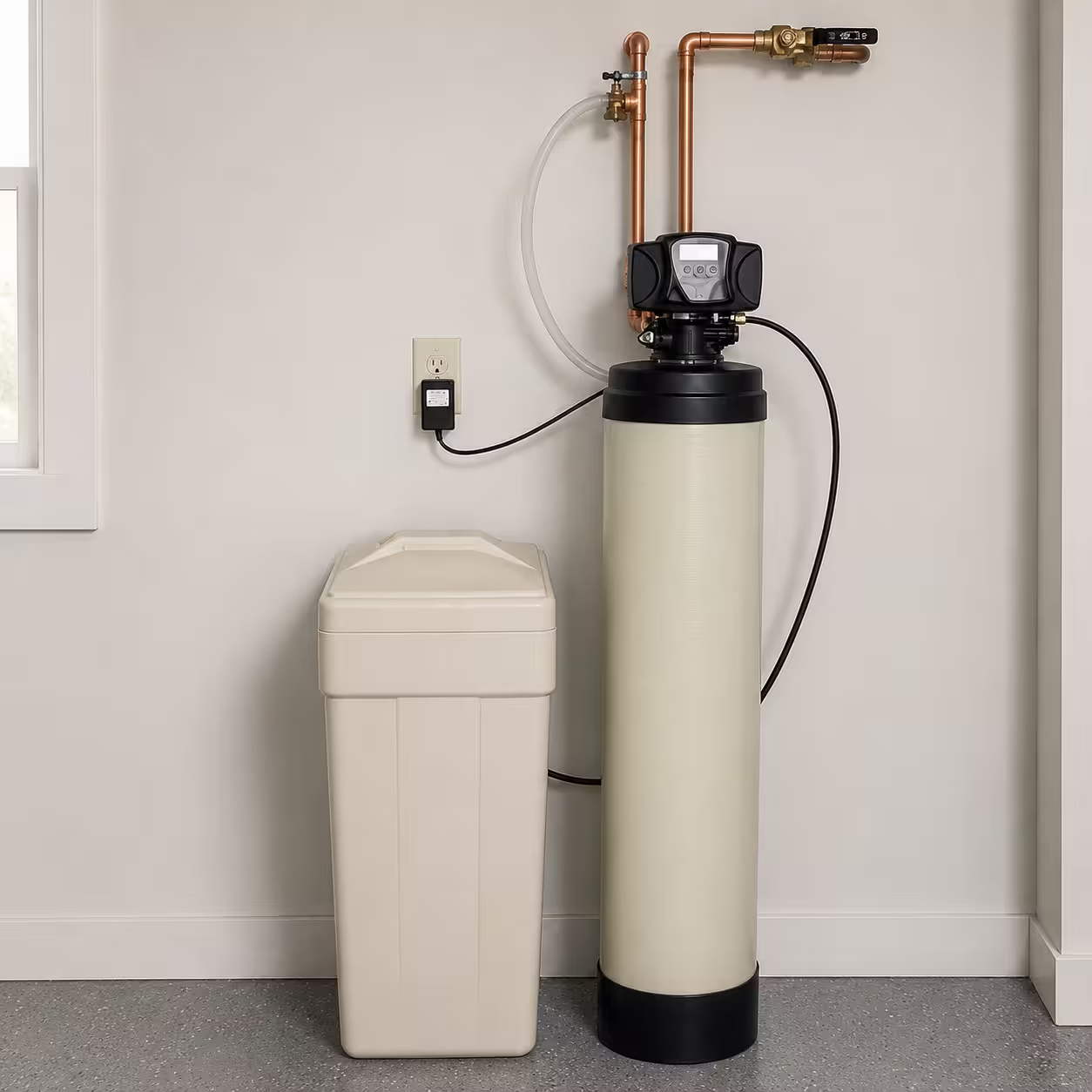
A softener is the better fit when hardness and mineral scale are the real concern. It is a smart long-term move for homes fighting buildup, and it is still recommended around the home's actual symptoms, source water, and plumbing conditions.
We help sort out whether the symptom calls for whole-house filtration, softening, point-of-use treatment, or a plumbing issue that needs diagnosis first.
Need help choosing the right water-treatment next step?
Whole-house water filtration pricing changes based on the water source, the treatment type, the installation layout, and whether the right answer is broader filtration, softening, point-of-use treatment, or testing first. We inspect the situation, explain your options, and give you a clear quote before work begins.
The final cost depends on a few practical details that matter more in water-treatment work than in a typical repair visit.
Water source and any test results
City water, well water, and report-driven concerns lead to very different filtration or softening recommendations.
Treatment type and certification path
A whole-house filter, softener, point-of-use system, or multi-stage treatment train changes both equipment and installation scope.
Installation layout and plumbing access
Space, shutoffs, bypass planning, drains, electrical needs, and service clearance all affect how straightforward the installation really is.
Maintenance and pretreatment needs
Media changes, sediment prefiltration, well-water staging, and long-term upkeep all shape the right recommendation and the quote.
Upfront Quote, Always
You will know the price before we start the approved water-treatment work.
No Fear-Based Sales
We explain what the water concern likely points to instead of using pressure or scare tactics.
Clear System Recommendations
We help you understand whether whole-house filtration, softening, point-of-use treatment, or testing first makes the most sense.
Maintenance Expectations Explained
We explain what the system will need over time so the recommendation stays practical after installation.
When Testing or Extra Diagnosis May Be the Right First Step
Report-driven or contaminant-specific concerns
Well-water chemistry that needs a more custom treatment path
Symptoms that still point to hardness, fixtures, or another plumbing issue
We only recommend extra diagnosis when it helps confirm what is actually in the water, whether the issue is hardness or filtration-related, or whether the concern still points back to the plumbing system.
Before you approve installation work, the visit helps you understand the concern, the treatment path, and what the system will require long term.
Review the concern and water source
We start with what you are noticing, where it shows up, and whether the home is on city water or well water.
Inspect the plumbing setup
We look at the install location, access, shutoffs, service clearance, and any practical installation constraints.
Explain the treatment options
You get clear guidance on whether the issue sounds like whole-house filtration, a softener, point-of-use protection, or better diagnosis first.
Review maintenance expectations
We explain what filters, media, cartridges, or service intervals the system will likely need over time.
Quote the approved work
If the next step is a fit, we give you clear pricing before any installation work begins.
Call now or request service online and we will help you talk through the right water-treatment next step before any installation work begins.
Water-quality concerns do not always need the same answer. Some homes only need treatment at one drinking-water location, appliance, or problem fixture. Others show whole-home patterns that make a broader filtration or softening plan more practical. We compare what you are noticing in the water, where the symptoms show up, and whether the goal is better drinking water, mineral control, or wider household protection before recommending the next step.
We start with the water concern, narrow the right treatment path, and explain what the system will need before any installation work begins.
We start with where the water comes from, what you are noticing, and whether the problem shows up throughout the home or only at one point of use.
If the concern is report-driven, well-water-specific, or still unclear, we explain what evidence guides the recommendation before equipment is chosen.
We help you compare whole-house filtration, softening, point-of-use treatment, or a different next step in plain language.
Before work begins, you know what the system is meant to solve, what installation involves, and what maintenance it will need over time.
Water-filtration conversations start with the concern you are seeing and a practical next step. Gotta Go Plumbing helps homeowners across western Kentucky and southern Indiana understand whether the issue calls for whole-house filtration, softening, point-of-use treatment, or testing before approving installation work.
If you need whole-house water filtration help across our service area, Daviess County, Henderson, Hartford, Beaver Dam, Madisonville, Evansville, or Newburgh, the goal is the same: give you a calmer, clearer path to the right treatment plan. That means understanding whether the issue is taste, odor, sediment, hardness, staining, a report-driven concern, or something that still points back to the plumbing system.
Homeowners do not have to guess their way into a water-treatment system. The right recommendation fits the house, the water source, and the actual concern before work begins.
Service availability depends on address and schedule. Call or request service to confirm where the home is located and what kind of water-treatment help you need.
Common ZIP codes we visit
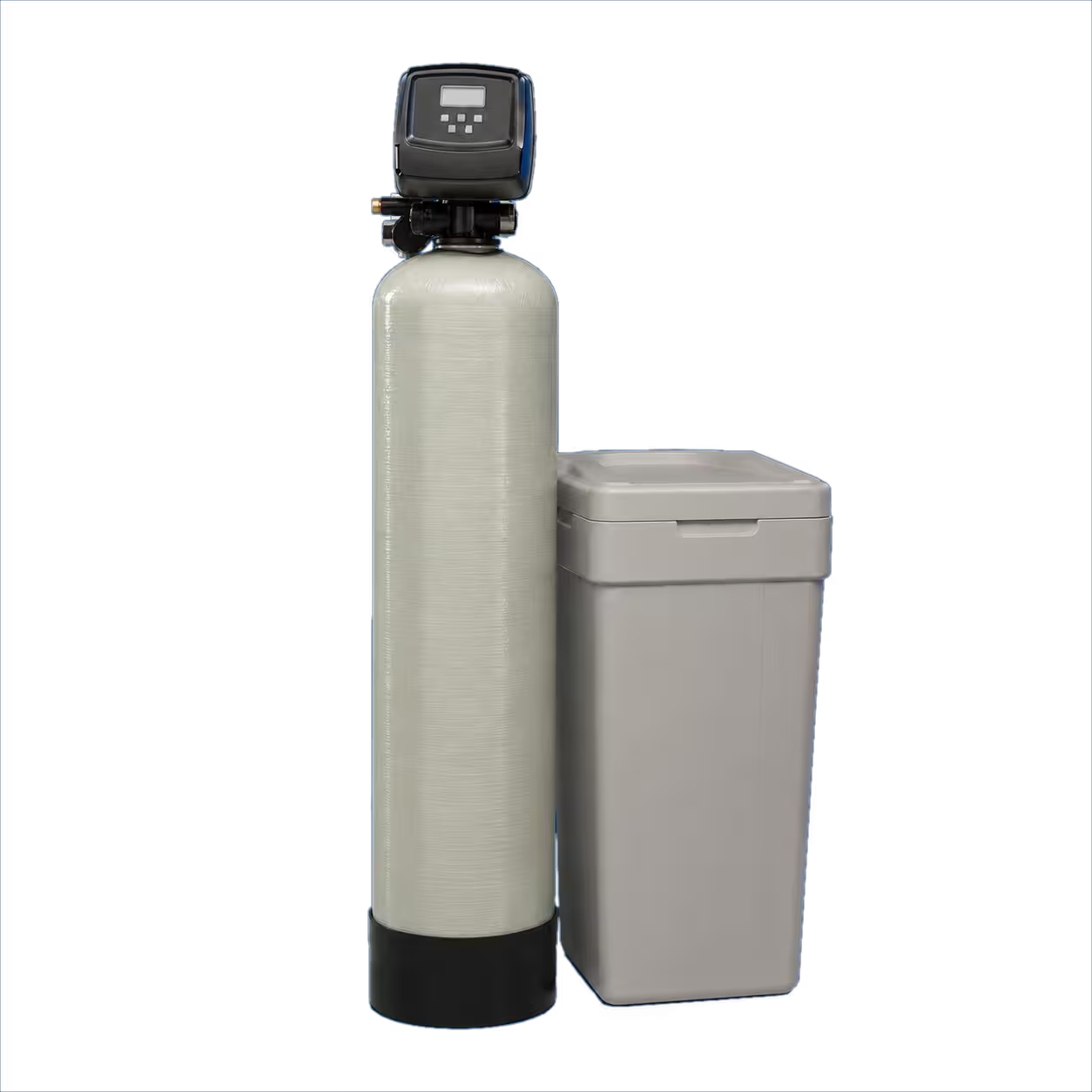
Sizing, placement, bypass, drainage, and whole-property softening options.
View page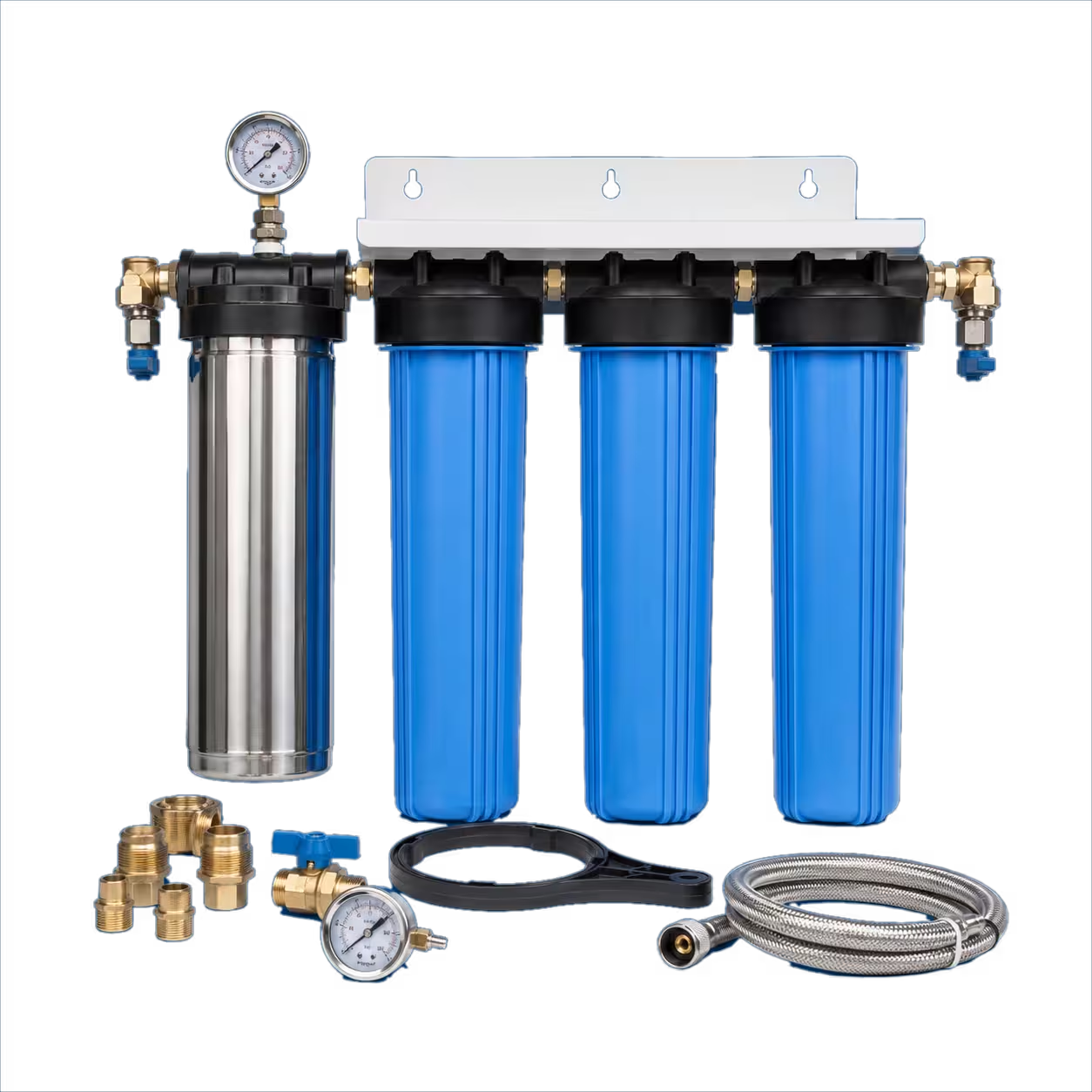
Whole-property filtration, testing, equipment selection, and installation planning.
View page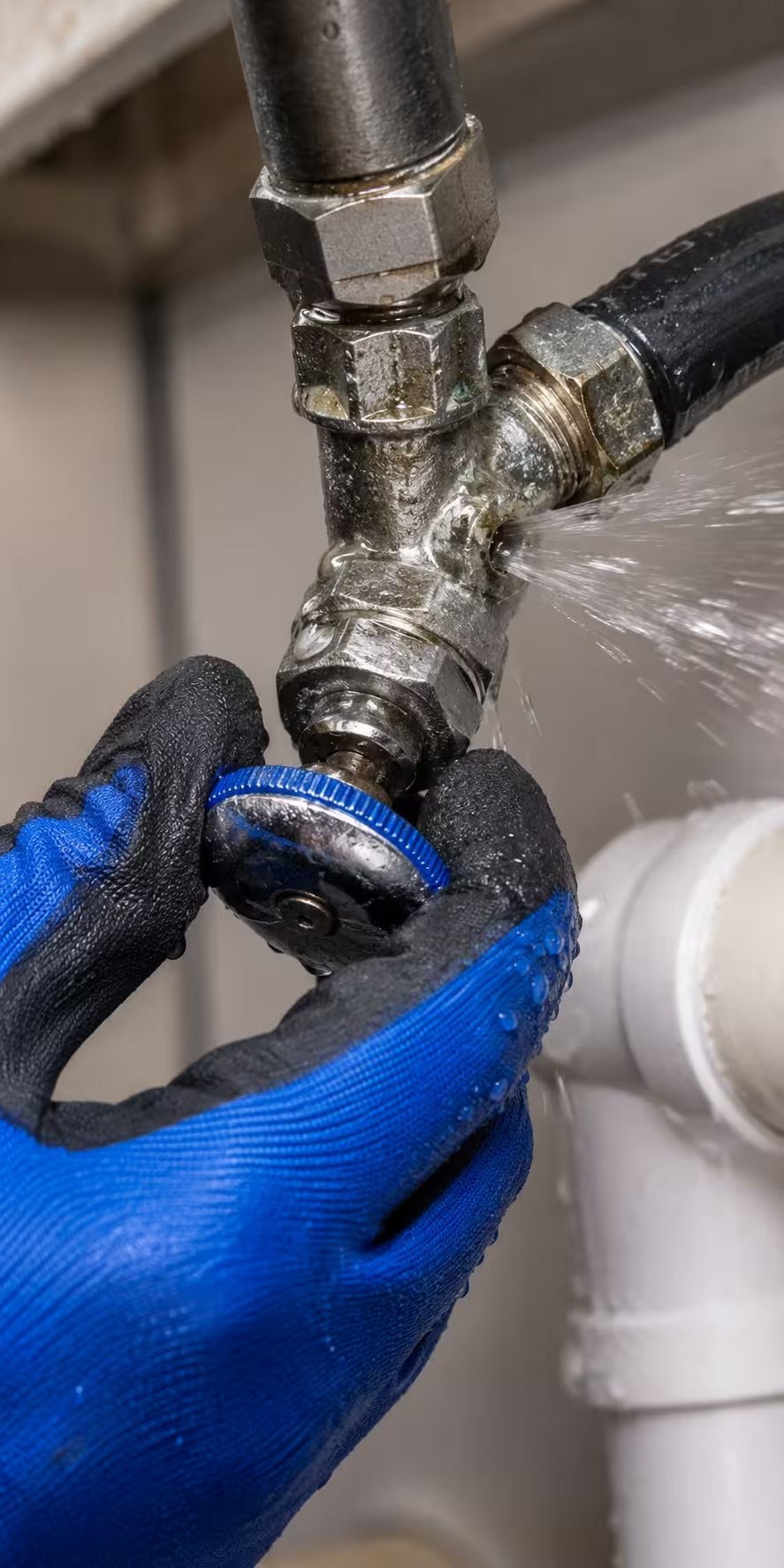
Fast help for leaks, backups, and plumbing problems that cannot wait.
Learn more
Water backing up, slow drains, or recurring clogs.
Learn more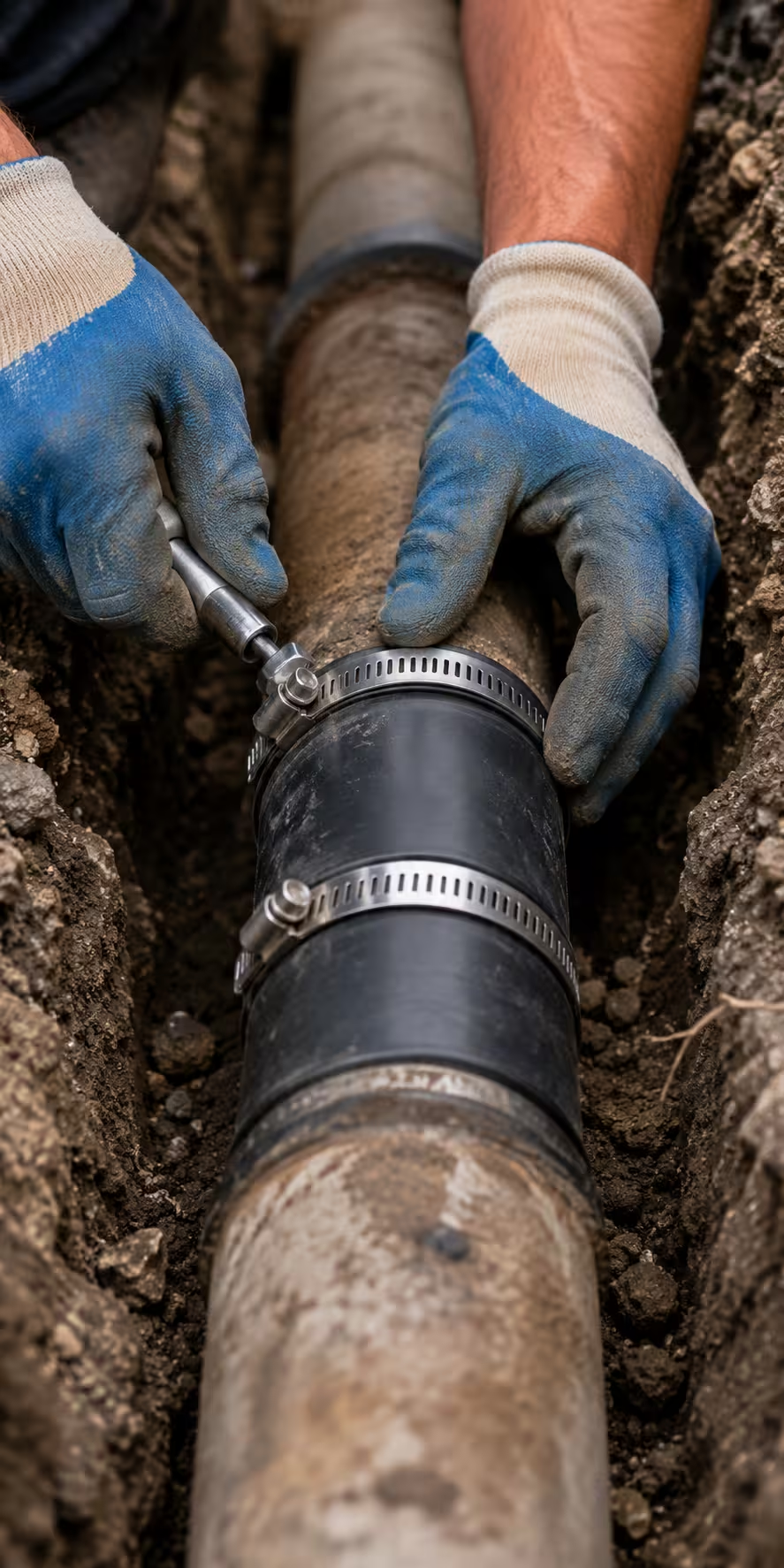
Backups, mainline clogs, inspections, and repair options.
Learn more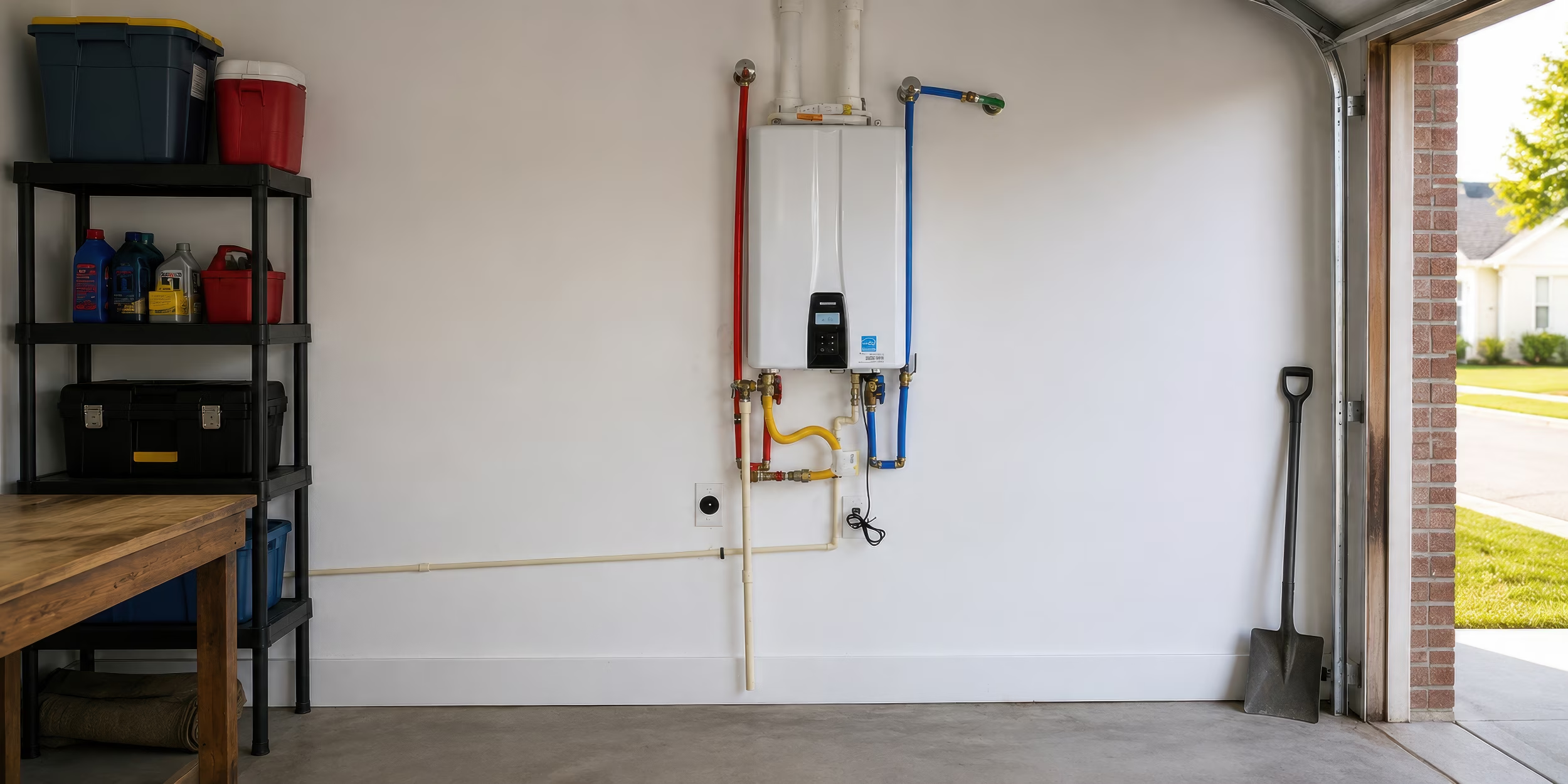
Repair, replacement, installation, and upgrade help.
Learn more
Leaks, fixtures, pipe repairs, and everyday plumbing fixes.
Learn more