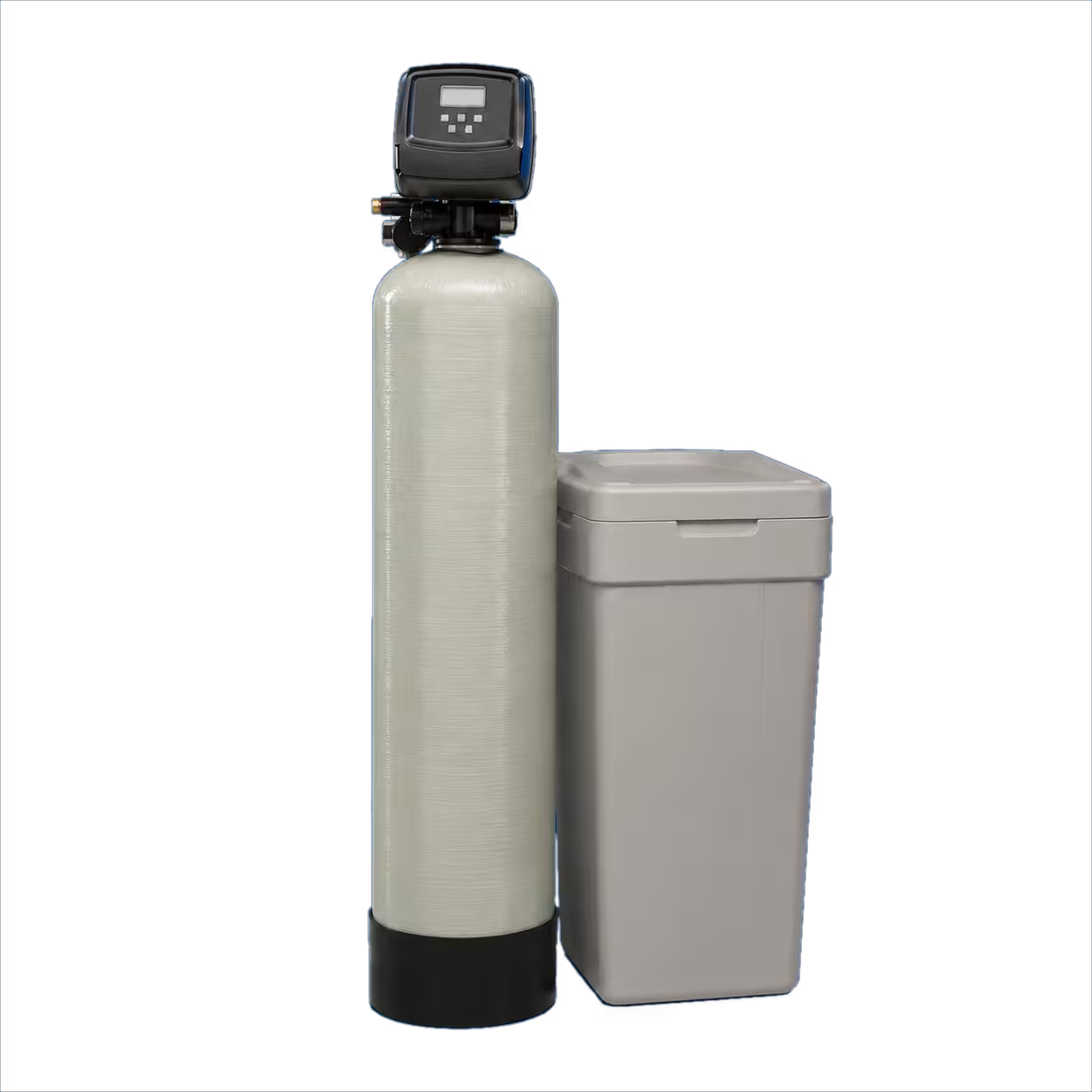

Demand-Initiated Softener
Best for: Most whole-home applications where regeneration should follow actual household use.
Considerations: Capacity must match the test result and demand; an oversized unit can waste salt and discharge water.

Hard water can leave scale on fixtures, reduce soap performance, and add mineral buildup inside a water heater. Gotta Go Plumbing helps you test your water, choose the right system, and install a water softener with the plumbing, bypass, and drain connections planned for your home.
A water test helps confirm the mineral level and whether softening is the right water treatment solution. Calcium and magnesium create mineral scale. A softener can reduce those minerals, but it does not replace water filtration when the concern is bacteria, nitrates, sediment, taste, odor, iron, or another contaminant. We review the results, household water usage, available space, and existing plumbing before recommending a water softener system for your home. That keeps the installation process focused on the problem you actually have.
Hard water is usually a nuisance rather than a drinking-water safety problem. The right reason to install a water softener is confirmed scale-forming mineral content that is affecting cleaning, fixtures, plumbing, or water-using equipment—not a promise that one unit will solve every water quality concern.
To plumb a water softener correctly, the equipment, inlet and outlet, bypass, drain, and startup settings must work as one water system. We plan those details before cutting into the main water supply.
The usual location is after the home’s main water shutoff and before the water heater. When the plumbing allows it, outdoor water can branch off first so treated water is not used for irrigation. We also preserve service access in the utility room or other approved location.
We shut down the water supply, cut the approved section of pipe, and plumb the control valve in the correct flow direction. A bypass valve lets us isolate the equipment while keeping water available to the rest of the home.
The regeneration drain line must be sized, supported, and discharged with the required air gap. The brine-tank overflow remains a separate safety route. We review septic conditions before routing backwash where a septic system is involved.
We check pressure and an approved power source for the control valve. If plastic components interrupt metal pipe that serves as part of the electrical grounding path, qualified coordination may be needed to preserve continuity.
We connect the water softener, restore water slowly, check every joint, confirm the softener has a bypass that operates correctly, and complete manufacturer startup. Settings are based on test results and expected use rather than a generic default.
These steps explain how we install your water softener professionally. They are not DIY installation instructions or a replacement for the manufacturer’s requirements and Kentucky plumbing rules.
We review a current water test, symptoms, water source, and the concerns you want the system to solve.
We match grain capacity and service flow to the test result, household demand, and any other treatment equipment.
We identify the main water supply valve, supply valve arrangement, drain access, power, clearances, and permit needs before work begins.
We connect the water supply line through the inlet, outlet, and bypass using approved materials, then route the drain and overflow correctly.
We restore the main water, check pressure and water around the softener, program the control valve, and confirm the softener is working through startup.
We show you how to use the bypass, check the salt level, watch for leaks, and keep your system operating according to the manufacturer.
Kentucky requires a plumbing permit when plumbing is constructed, installed, or altered. A homeowner permit is available only in limited circumstances for an eligible owner working on an occupied residence. Because connecting the softener normally changes the main supply and drainage, we identify the permit and inspection path before work begins.
Manufacturer requirements and applicable plumbing rules guide the approved installation.
A drain connection needs a proper air gap to prevent wastewater from backing into treatment equipment.
For a septic property, confirm the approved backwash route with the county health department or onsite professional.
Well-water concerns beyond mineral scale may require certified lab testing and additional treatment.
The quote depends on equipment capacity, water conditions, access, plumbing changes, drainage, electrical needs, and permitting. We inspect the property and explain the proposed scope before work begins.
Test results and system size
Test results, household demand, service flow, and grain capacity shape the equipment recommendation and base cost.
Existing plumbing
Pipe material, shutoff condition, pressure, available bypass, and the need to cut some pipes affect labor and materials.
Drain, power, and location
Distance to an approved drain, air-gap work, overflow routing, power access, and tight installation spaces can expand the scope.
Additional treatment or replacement work
Well-water filtration, sediment protection, removal of an old system, or correcting poor connections changes the project.
Gotta Go Plumbing serves western Kentucky and southern Indiana with water treatment and installation planning. We begin with the property’s water source and test results instead of assuming every home needs the same equipment. You receive a clear recommendation, a professional installation plan, and an explanation of maintenance before approving the work. That gives you peace of mind without promising that softened water alone will solve every taste, odor, staining, or safety concern.
The final recommendation depends on test results, water source, household demand, pipe size, pressure, drainage, septic conditions, access, and applicable permit requirements.
Explore water filtration, water heater, and plumbing services when the concern extends beyond mineral scale alone.
Compare filtration when taste, odor, sediment, or another water-quality concern extends beyond mineral hardness.
View filtration service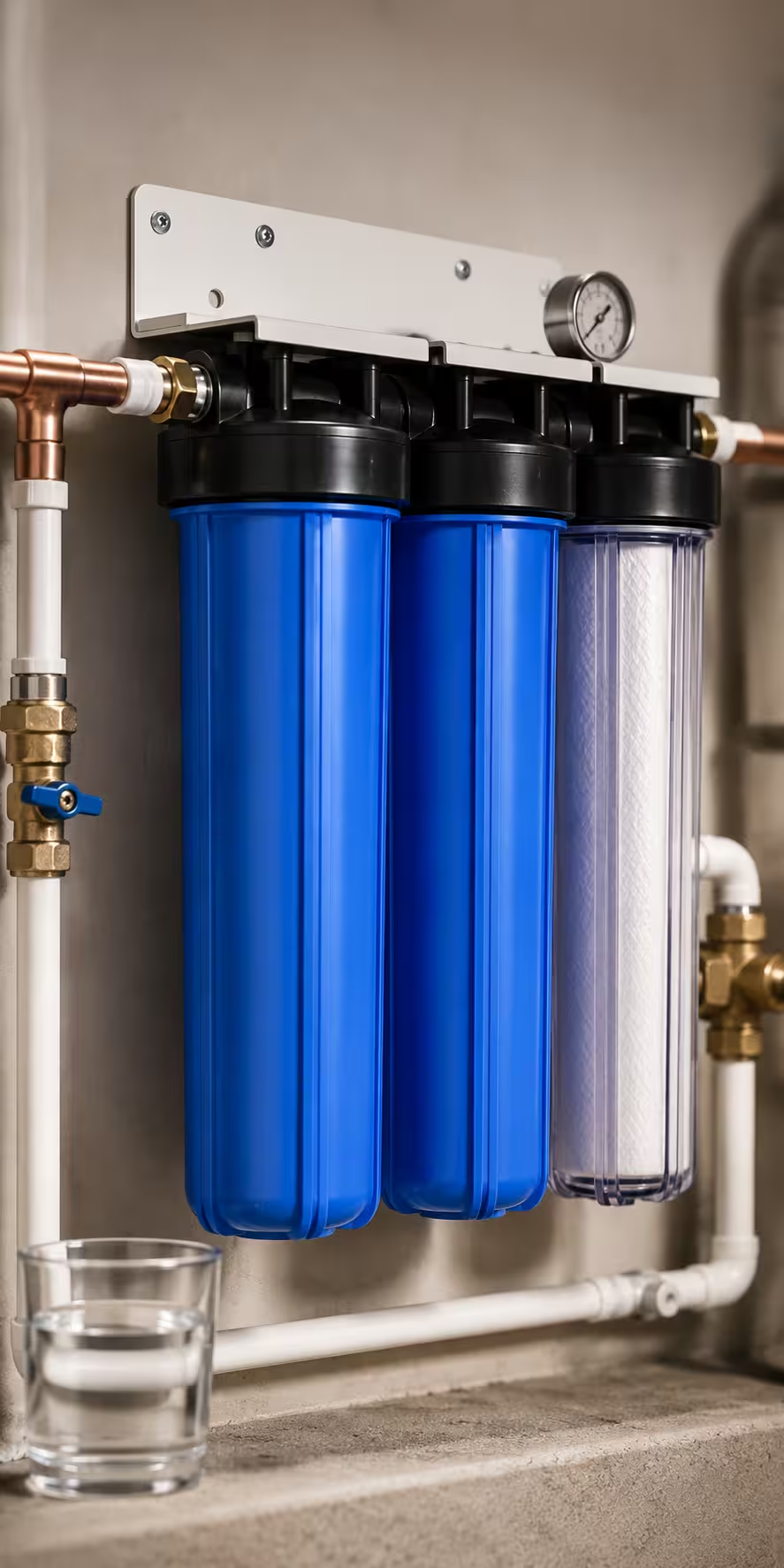
Filtration, softeners, and cleaner-water planning for the home.
Learn more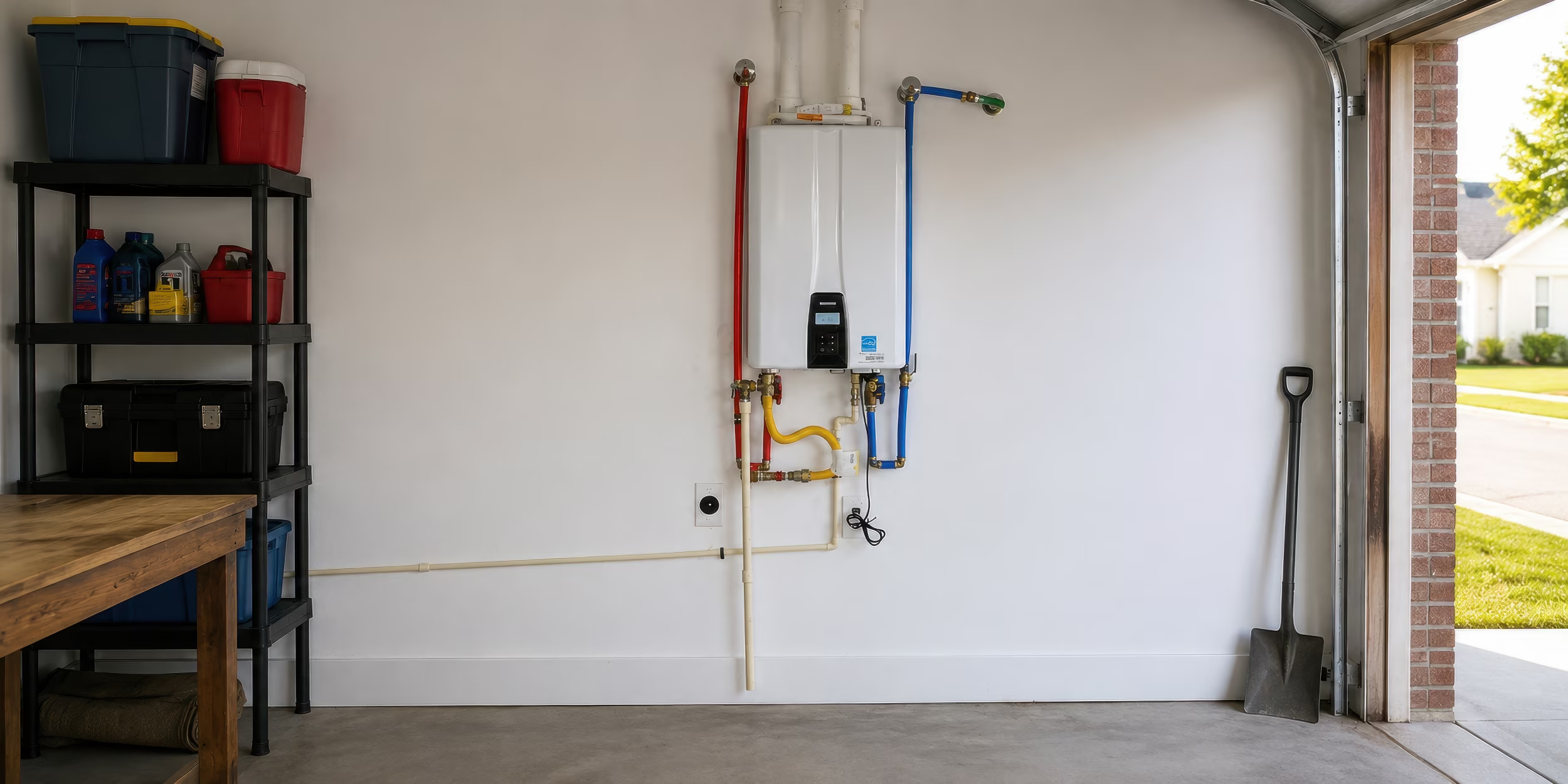
Repair, replacement, installation, and upgrade help.
Learn more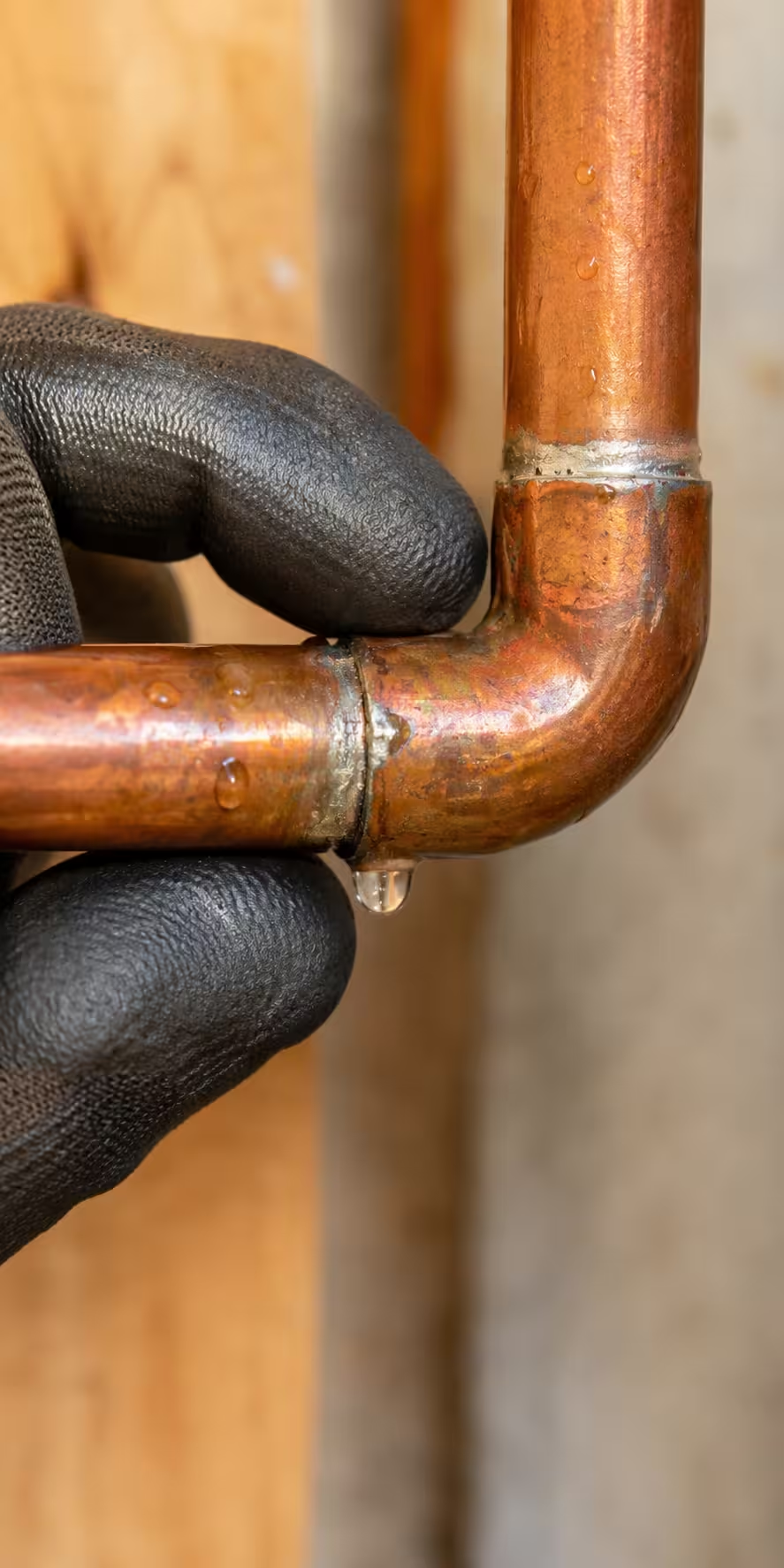
Leaks, fixtures, pipe repairs, and everyday plumbing fixes.
Learn moreStraight answers about testing, system sizing, installation instructions, septic systems, maintenance, costs, and professional service.