




1
Diagnosis
We pinpoint the cause of the failure, whether the unit fails at startup, the float hangs up, or the system cannot move water out of the pit.

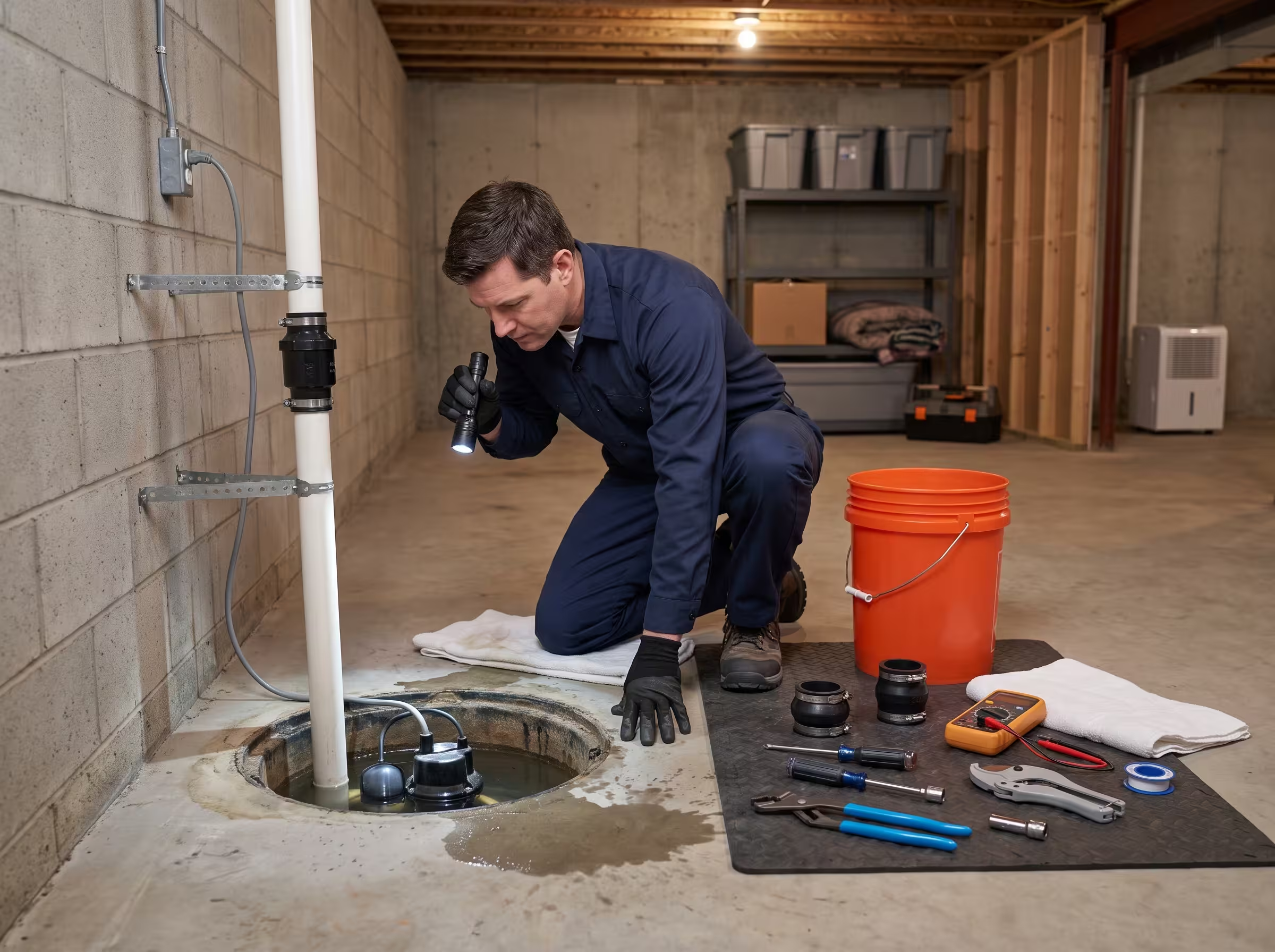
When your sump pump is running constantly, humming, alarming, or failing to clear water from the lower level, Gotta Go Plumbing can diagnose the issue and explain the right next step. We handle sump pump repair for common sump pump problems like a stuck float switch, an outlet-line blockage, backup alarms, and rising water in the pit.
Avoid standing water and protect electronics. Do not enter flooded areas if there is electrical risk.
Check for alarm tones or lights. Watch the water level in the pit and listen for motor activity or unusual sounds.
If it is safe, inspect the discharge pipe outside for ice, debris, or a blockage that could keep water from leaving.
Shut power off to the pump only if it is unsafe, then call for same-day repair help.
If a sump pump runs continuously, the cause may be a float caught in place, rising groundwater, or water entering the basin faster than the system can empty it.
If the motor runs but water does not move, the impeller may be jammed, the outlet valve may be failing, or a blockage may be stopping flow before the basement gets wetter.
No response can come from a tripped circuit breaker, switch failure, or a failed motor that needs diagnosis and repair.
Short cycling often points to worn float controls, sump pump switches that are out of position, or a mismatch between the system and the water load.
Water-level and backup alarms signal a performance problem, battery issue, or system fault that needs attention quickly.
Backup protection can fail when the battery, charger, controller, or battery backup sump pump no longer responds the way it should during storms or outages.
Some issues need a proper diagnosis first. We start there and do not jump straight to a new system when a repair may solve the problem. We check power, float action, the discharge path, and water level so you get a clear answer instead of a guess. If the issue is isolated and repairable, targeted repair can solve it before it leads to serious water damage.
A professional inspection helps identify the real cause and fix the issue safely.
A focused repair or adjustment may solve the problem and restore reliable performance.
When you need emergency sump pump repair, a fast response can help prevent flooding, limit damage, and protect your home before the problem spreads.
Move valuables and electronics out of harm's way.
Remove standing water only if it is safe to do so.
Do not ignore alarms or repeated cycling while water is rising.
A battery backup only helps if it activates when the main unit stops working. Common issues we fix:
We plumb the cause of the failure first, confirm the safest repair path, and test performance before we leave.
We pinpoint the cause of the failure, whether the unit fails at startup, the float hangs up, or the system cannot move water out of the pit.
We complete the right repairs, clear blockages, and restore normal operation when the issue can be fixed without overcomplicating the job.
We test flow, switch action, and alarm behavior to make sure the repair solved the immediate problem.
We explain what to watch next, share a few upkeep reminders, and let you know when preventative maintenance makes sense.
The final cost depends on a few practical details.
Pump age; repair vs replacement cost efficiency.
Failure type, from float switch to motor problems.
Basin access, water level, and cleanup difficulty.
Backup system, check valve, or discharge repairs.
Homes across our service area can collect water quickly during heavy rains, especially when a basement or crawl space sits near a high water table. Our plumbing company works on sump pump systems with a calm, local approach so you know what failed, what still works, and what needs attention now.
Our plumber checks float movement, the check valve, the pit, and the discharge path before recommending the next step. For expert sump pump repair, we focus on the actual failure instead of jumping straight to sump pump replacement.
If the problem turns out to be bigger than the pump itself, these nearby pages help explain the next likely path.
New systems, replacement pumps, battery backup options, and discharge planning.
View installation serviceSee what routine testing checks when the pump is working and you want to reduce the chance of a future failure.
View maintenance service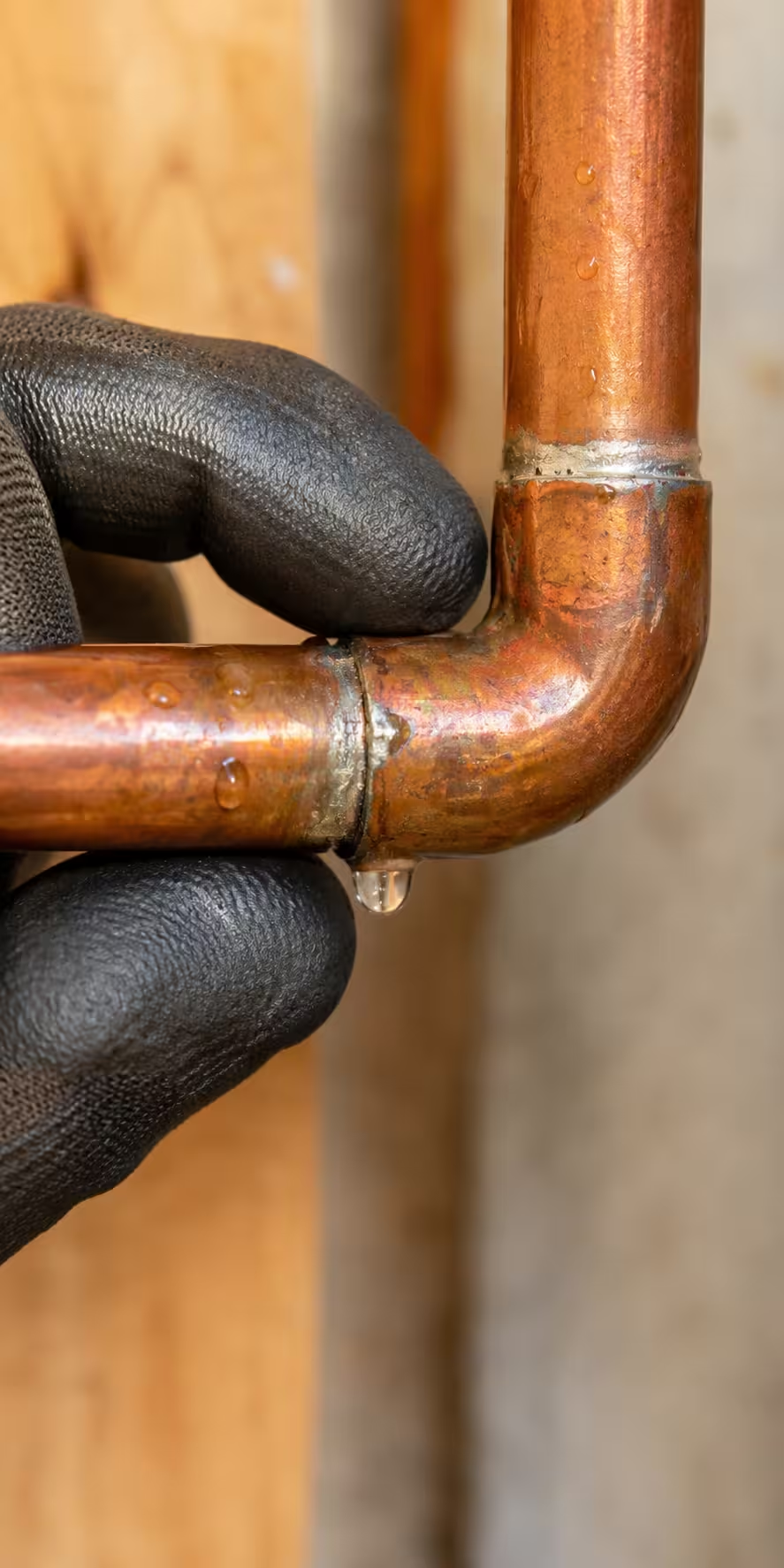
Leaks, fixtures, pipe repairs, and everyday plumbing fixes.
Learn more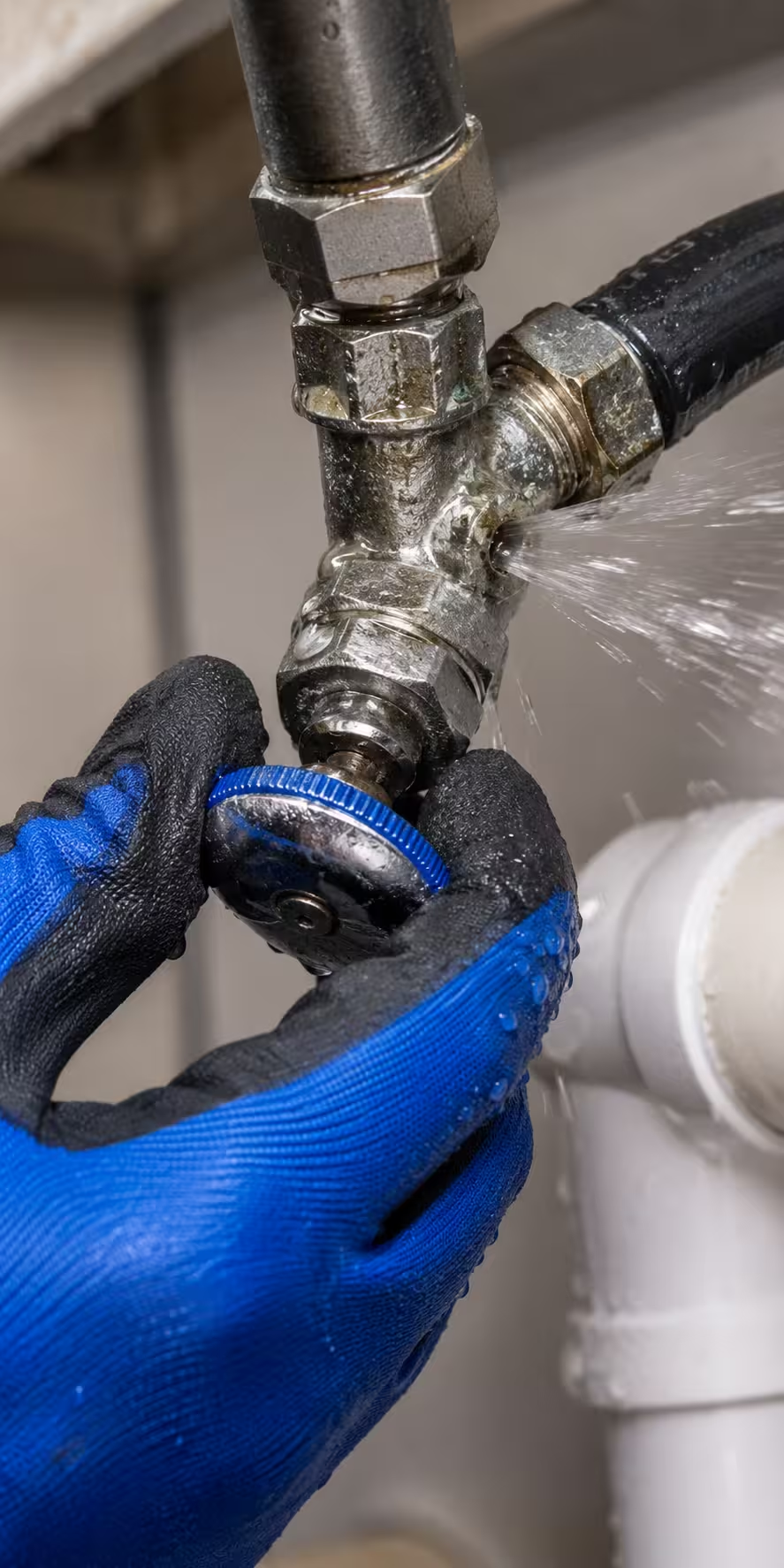
Fast help for leaks, backups, and plumbing problems that cannot wait.
Learn more
Backups, mainline clogs, inspections, and repair options.
Learn more