
Sump Pump Maintenance Services
Keep your sump pump ready before heavy rain with sump pump maintenance tips for every homeowner. Maintain your sump pump, prevent water damage, and let Gotta Go Plumbing check the power source, sump pit, float switch, discharge line, and backup system before small issues become bigger repairs.
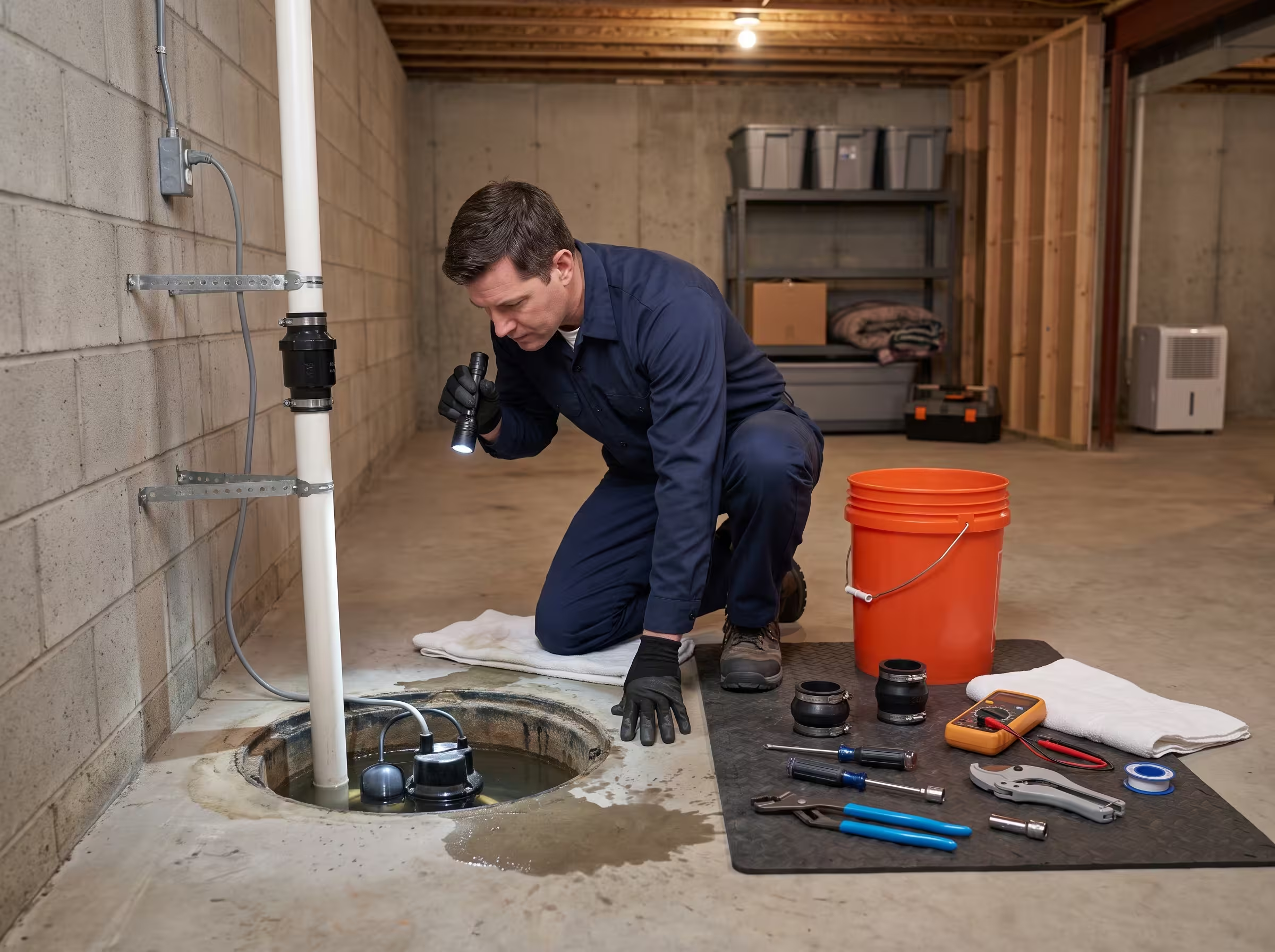
Sump Pumps and Sump Pump Maintenance for Local Properties
When heavy rain hits western Kentucky and southern Indiana, working sump pumps can make the difference between a dry basement and a stressful cleanup. Sump pumps help protect finished spaces, storage areas, equipment rooms, homes, commercial buildings, and multi-unit properties from costly moisture problems.
Sump pump maintenance is essential because small issues can turn into bigger problems during the next storm. Regular sump pump maintenance helps ensure that your sump pump is ready before the next heavy rain, and regular maintenance gives our local plumbing team time to check the power source, look for wear, clear debris, and confirm the sump pump system is working properly.
Sump pumps sit below the basement or crawl space and collect water in a sump pit. When the water level rises, the pump activates and moves water through a discharge pipe. That discharge line should carry water away from your home's foundation and at least 20 feet away from your house when the property allows it.
During service, we inspect the pump and pit, look for rust, test the electrical connection, and review the check valve that helps stop water from flowing back into the pit. If the system includes a battery backup, we also check that it can help during a power outage.
Common Sump Pump Problems and Solutions
Runs Too Often
If the pump runs frequently, it may be undersized, the pit may be filling faster than usual, or the drainage path may need attention.
Won't Turn On
If the pump fails, the sump pump may have a tripped breaker, stuck float switch, worn motor, or outlet problem. Some issues can be corrected during routine maintenance.
Alarm Going Off
High water, power failure, a battery issue, or another system fault can trigger the alarm or backup warning.
Slow or Weak Pumping
A clog in the inlet screen or discharge path, worn components, or a weak pump can slow its ability to remove water.
Unusual Noises
Grinding, rattling, or humming without moving water can point to debris near the impeller, wear, or motor trouble.
Backup Not Working
A dead battery, failed charger, loose connection, or worn backup pump can leave the system unprotected during an outage.
Sump Pump Maintenance Tips for the Float Switch, Clog Risks, and Discharge Line
Test Your Sump Pump
Use a garden hose to pour water into the sump pit until the pump should activate. This lets you test the sump pump before heavy rain.
Check the Float Switch
Checking the float switch helps confirm it moves freely without sticking, tangling, or rubbing against the pit wall.
Clean the Pump and Inlet Screen
Clean the pump exterior and clear dirt, mud, and debris from the pit opening and inlet screen when it is safe to do so.
Inspect the Discharge Line
Confirm water flows freely and the outlet carries water away from the foundation when the property allows it.
Listen for Unusual Noises
Unusual noises like grinding, rattling, or humming can be early signs of wear, debris, or motor trouble.
How to Maintain Your Sump Pump and Test Your Sump Pump
Use this sump pump maintenance checklist between service visits, then call a plumber if the system does not respond normally or heavy rain is on the way.
Gotta Go Plumbing Maintenance Checklist
- Confirm sump pumps have power and the cord is secure.
- Add water to the basin and watch for the pump to start.
- Make sure the float switch moves freely.
- Look for a clog, mud, or debris in the sump pit.
- Check the discharge line and outlet for blockage.
- Inspect the check valve for leaks or water from flowing back into the pit.
- Review the battery backup if your system has one.
- Schedule routine sump pump maintenance and annual maintenance at least once a year.
DIY Sump Pump Checks and Tests
- Confirm the sump pump is plugged into a working GFCI outlet and avoid unplugging the pump unless you are cleaning it.
- Add water to the sump pit and confirm the pump activates.
- Watch that the pump automatically turns on, then the pump turns off after the test.
- Clean the pump exterior, pit opening, and nearby debris.
- For a deep clean, remove the pump only when it is safe, then inspect the components of your sump pump.
- Finish by checking the float switch and checking the electrical connection.

Unusual Noises? When to Call a Professional
Sump pumps should not grind, rattle, or hum without moving water. A licensed plumber can check the pump, explain sump pump problems and solutions, and help you decide whether professional sump pump maintenance, repair, or replacement makes sense.
The pump is working inconsistently or will not turn on.
The breaker trips or you notice electrical concerns.
The sump pit overflows or water rises quickly.
You hear grinding, rattling, or humming without water moving.
You see basement flooding or persistent moisture.
Local Plumber Support for Sump Pumpsfrom Gotta Go Plumbing
Gotta Go Plumbing helps local property owners care for sump pumps with clear inspections, honest recommendations, and practical repairs. As a homeowner or property manager, you get plain guidance on what is working, what needs attention, and when a new sump pump, sump pump installation, or replacement conversation makes sense. Our goal is to keep your pump running without pressure or surprises.
Professional inspection
Repair-or-replace guidance
New sump pump options
Planned service and repairs
More Help With Your Sump Pump
Testing can show whether the pump needs a focused repair or whether a new system is the more practical next step.