
Clear, professional plumbing help
Gotta Go Plumbing

Shower Cartridge Replacement & Valve Installation Services

A shower that drips, becomes hard to adjust, loses water flow, or swings between hot and cold water may have a worn cartridge. Gotta Go Plumbing checks the shower handle, trim, valve body, water supply, and exact replacement requirements before recommending a cartridge replacement or broader shower valve repair.

Persistent shower drip
Stiff or loose shower handle
Unstable water temperature
Weak or uneven water flow

What a Shower Valve Cartridge Does

The cartridge sits inside the shower valve behind the handle and trim. Its job is to control water flow and, depending on the design, help mix or balance hot and cold water. When seals wear, mineral buildup develops, or the cartridge body binds, the fixture may drip, become difficult to turn, or stop regulating temperature normally. Before we replace a shower cartridge, we identify the valve brand and model, compare the old cartridge with the correct replacement, and inspect the valve body for damage. That prevents a look-alike replacement cartridge from being installed in the wrong orientation or forced into a valve it does not fit.

Signs of a Bad Shower Cartridge

A failing cartridge can cause a shower that drips, a handle that sticks, reduced flow, or temperature that is difficult to control. Those shower problems are useful clues, but an inspection is still needed because trim damage, supply restrictions, or a worn valve body can create similar symptoms.

When cartridge replacement may fit

  • Water continues from the shower faucet after the control is fully off.
  • The single-handle shower control is stiff, loose, or difficult to position.
  • Temperature changes are isolated to one tub or shower fixture.
  • The old cartridge shows worn seals, cracking, scoring, or mineral buildup.
  • The valve body remains sound and the correct cartridge is available.
  • A new cartridge restores normal control without opening the wall.

When the valve needs closer review

  • Water appears behind your shower wall or around the valve opening.
  • The cartridge bore is damaged, corroded, or no longer holds the part securely.
  • No exact cartridge or reliable replacement part can be identified.
  • The valve is obsolete or has repeated cartridge repair history.
  • A bathroom update already includes shower remodeling or new shower trim.
  • The evidence points toward shower valve replacement rather than one internal part.

Cartridge vs. Shower Valve Replacement

Focused Shower Cartridge Replacement

Best for: A serviceable valve body with an identifiable, available cartridge and a symptom isolated to the shower control.

Considerations: Brand, series, stem pattern, cartridge orientation, trim design, and the condition inside the valve determine whether this focused repair is practical.
Full Valve Replacement

Best for: A damaged, obsolete, badly corroded, or repeatedly troublesome valve, or a planned tub and shower update that requires a different rough-in body.

Considerations: A full valve replacement may require wall access, new trim, supply changes, finish repair coordination, and a larger approved scope.

How We Identify the Right Shower Cartridge

We evaluateWhat we evaluateWhy it matters
Brand and valve seriesMoen, Delta, Pfister, or another manufacturer and the specific valve familyBrand names alone are not enough to confirm an exact cartridge
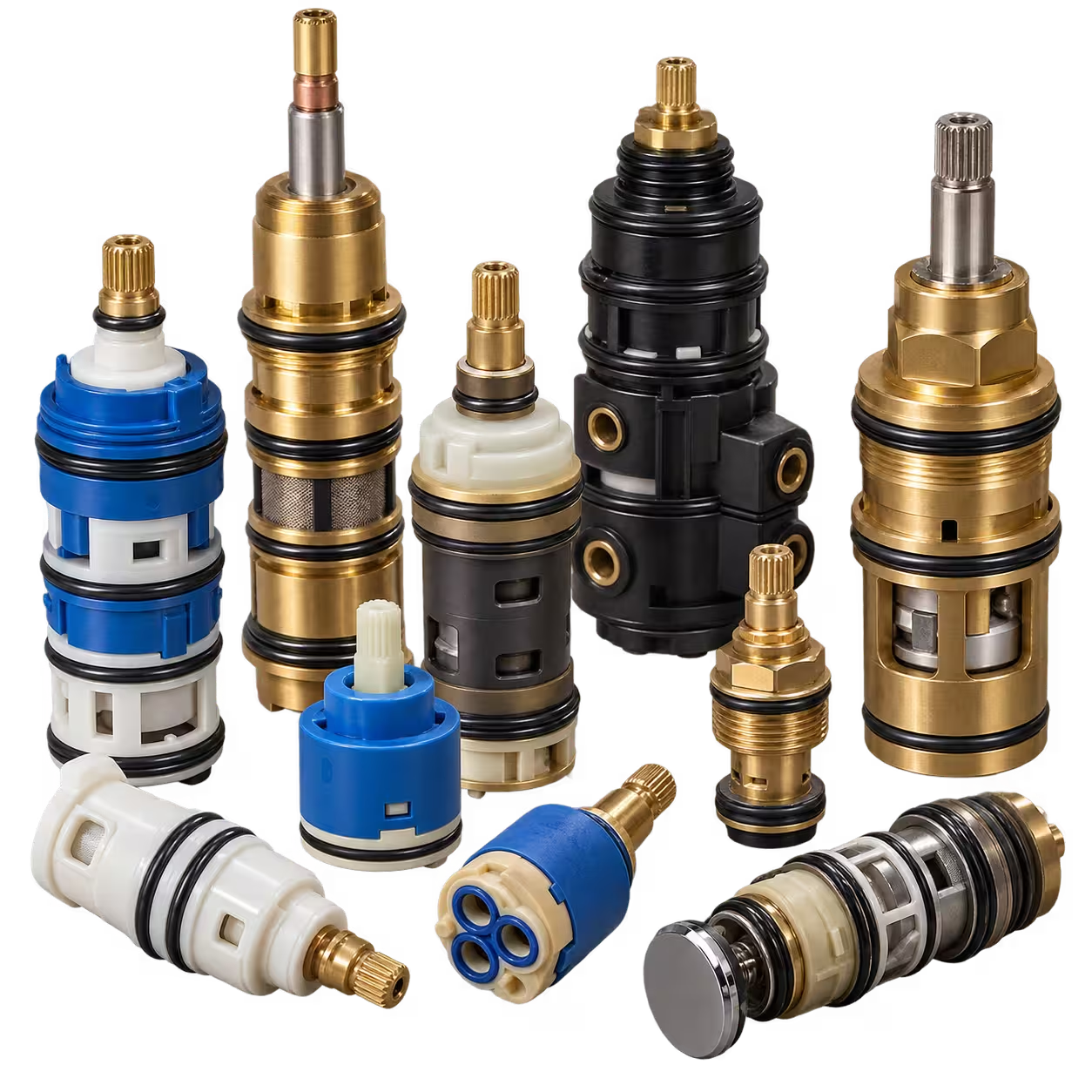
Stem and cartridge bodyStem shape, length, ports, retaining method, and body dimensionsHelps distinguish similar cartridge types and find the right cartridge
Control functionSingle-handle cartridge, pressure balancing cartridge, or separate controlsShows how the cartridge helps regulate water and temperature
Valve conditionBore, stops, retaining clip or bonnet, corrosion, and visible damageConfirms whether a correct replacement can seal and operate properly
Whole-system symptomsWhether hot-water or pressure trouble affects one fixture or the whole homeKeeps a water-heater or supply problem from being mistaken for a faucet cartridge failure

Professional Faucet Cartridge Replacement

The goal is not simply to insert new shower cartridge parts. The replacement must match the valve, seat correctly, move in the intended direction, and be tested under normal pressure and temperature conditions.

Correct part identification

We use visible markings, stem and body details, trim information, and manufacturer references to identify the right replacement parts.

Protected trim and valve access

We shut off the water supply, protect the surrounding finish, remove the shower handle and trim, and avoid unnecessary force at the valve.

Careful old-cartridge removal

A stuck cartridge may require a model-appropriate cartridge puller. We remove the old cartridge while watching for broken pieces or valve-body damage.

Correct cartridge orientation

The new part is prepared according to manufacturer instructions. When specified, we use compatible silicone plumber’s grease and seat the cartridge in the correct orientation.

Flow, shutoff, and temperature testing

We restore water gradually, check the handle movement and shutoff, confirm hot and cold response, inspect for a drip, and verify usable water flow.

How We Replace a Shower Cartridge

The exact steps vary by shower valve and manufacturer. This process shows how we protect the fixture, verify the replacement, and test the completed work.

1

Confirm the Shower Symptom

We test the handle, shutoff, temperature range, and flow, then compare the shower with nearby fixtures when the cause is not obvious.

2

Shut Off and Verify the Water Supply

We isolate the valve or home supply as required and confirm the pressure is relieved before opening the control.

3

Remove the Shower Handle and Trim

We protect the finish, remove accessible fasteners and trim, and document the installed orientation before disturbing the internal part.

4

Remove the Cartridge and Inspect the Valve

We release the retaining hardware, use the appropriate hand tools or cartridge puller, and inspect the bore after the cartridge comes out.

5

Install the Correct Replacement

We compare the old and new parts, prepare seals as directed, align the cartridge orientation, and reinstall the retaining hardware and trim.

6

Restore Water and Test the Shower

We check shutoff, handle travel, pressure, temperature response, and visible connections, then explain what was replaced and how it is operating.

DIY Shower Cartridge Repair: Know When to Stop

Home improvement guides can make the steps to replace your shower cartridge look universal, but concealed valves and older finishes need care. A seized handle, stuck cartridge, unidentified part, brittle retaining hardware, or damaged valve body can turn a focused project into a larger repair. Shut off the water and stop if the valve will not isolate, the part begins to break, or water appears behind the wall.

  • Do not pull or twist against the concealed piping when the cartridge will not release.

  • Do not install a cartridge in the wrong orientation to make an incompatible part appear to fit.

  • Protect the drain so screws and small cartridge parts do not fall into the shower drain.

  • Follow the valve manufacturer's instructions for tools, lubricant, seals, and temperature-limit settings.

What Affects Shower Cartridge Replacement Costs?

Cost depends on the exact part, access, trim condition, how firmly the old cartridge is stuck, and whether the valve body can support a focused replacement.

  • Cartridge identification and availability

    A current, clearly identified replacement is different from an obsolete valve, an unmarked part, or a special-order cartridge.

  • Handle, trim, and removal conditions

    Corroded fasteners, damaged trim, a seized stem, or a cartridge that breaks during careful removal can change the work required.

  • Cartridge service or valve replacement

    A focused cartridge replacement differs from wall access, rough-in valve work, new trim, and finish coordination for a full replacement.

Shower Repair Across Our Service Area

Gotta Go Plumbing provides scheduled bathroom plumbing service across approved Kentucky and southern Indiana routes. We inspect the shower and faucet controls, explain what the evidence supports, and provide the scope and price before approved work begins.

  • Shower cartridge replacement
  • Faucet cartridge replacement
  • Tub and shower valve diagnosis
  • Single-handle shower control repair
  • Valve replacement planning when required

Final scope depends on the valve brand and series, exact cartridge, handle and trim condition, available isolation, valve-body condition, access, and applicable local requirements.

Shower Cartridge Replacement FAQs

Answers about cartridge types, new shower cartridges, common brands, part identification, removal, orientation, costs, and when a full valve repair may be needed.

Common shower symptoms include a shower that drips after shutoff, a stiff or loose handle, reduced flow, difficulty reaching the intended temperature, or hot and cold behavior that is isolated to one fixture. A worn shower cartridge can cause those symptoms, but trim damage, debris, supply trouble, or valve-body wear can look similar. Testing the fixture helps confirm whether the cartridge is the failing part.

The best shower cartridge is the exact part specified for the installed valve, not the closest visual match. Use the manufacturer, valve series, trim age, stem pattern, body dimensions, ports, and retaining method. Moen, Delta, and Pfister shower valves each include multiple cartridge families. The exact cartridge may be confirmed through markings, manufacturer references, or comparison after removal.

The Moen 1222 cartridge is commonly associated with certain Posi-Temp shower valves and is a pressure-balancing cartridge, but the installed valve still needs to be identified before a part is selected. A Moen shower may use another design, and age or prior modifications can affect identification. We verify the valve and compare the old shower cartridge with manufacturer information before installation.

No. The RP46074 shower cartridge fits specified Delta valve families, not every Delta shower. Trim appearance can also span more than one internal design. The valve series, cartridge body, stem, ports, and manufacturer documentation must agree before the part is treated as the right cartridge.

After the water is off and the trim and retainer are removed, the plumber may grip the cartridge stem or use a cartridge puller made for that valve. The goal is to remove the cartridge without twisting the concealed piping or scoring the valve bore. If the cartridge breaks, every loose piece must be accounted for before a new part is installed.

Only when the cartridge manufacturer directs it. Some instructions call for a light film of compatible silicone lubricant on specified seals; others provide pre-lubricated parts or different guidance. Preparing a cartridge with silicone plumber’s grease is not a substitute for cleaning the bore, confirming the correct replacement, and following the model-specific instructions.

The handle may operate backward, hot and cold may be reversed, the temperature limit may not function as intended, or the trim may not assemble correctly. Cartridge orientation varies by valve design, so the old position and manufacturer instructions should be documented before replacing the cartridge.

A full shower valve replacement may be appropriate when the valve body is cracked, deeply corroded, damaged at the bore, obsolete with no dependable parts, or repeatedly failing. It may also make sense during shower remodeling when a modern shower control or different trim system is planned. We explain the access and finish implications before recommending broader work.

No. Cartridge replacement can correct many control-related symptoms, but it will not clear a shower drain, repair a leaking pipe behind the wall, or solve a whole-home hot-water problem. The symptom location and testing determine whether the practical next step is cartridge repair, faucet cartridge replacement, leak detection, water-heater service, or another bathroom plumbing repair.

The main factors are part identification and availability, handle and trim condition, valve access, whether the old shower cartridge is seized or breaks during removal, and whether the valve body is still serviceable. We provide the scope and price before approved work begins, and we explain if the evidence changes the job from a focused replacement to broader valve work.
Talk to a Plumber