


1
Review the Symptoms
We ask about slow fixtures, the last incident, prior snaking, wet-weather patterns, home-purchase concerns, and the sewer line history.

Recurring clogs, slow fixtures, backups, or questions about an older sewer line should not be answered with guesswork. Our technician uses a sewer video camera to examine the accessible line, pinpoint visible trouble, and explain what the footage means before you approve a larger repair.
Slow drains can be a useful warning. A sewer inspection gives a homeowner a direct look at the accessible drain line instead of relying only on symptoms. It can help identify an obstruction, tree roots, grease buildup, corrosion, separated joints, misaligned pipe, standing water, or collapsed sections that may be obstructing normal flow.
A camera may detect hidden issues early, including visible infiltration where water appears to leak into the line, but it cannot reveal all hidden problems outside the line. Heavy debris can obstruct the camera, and limited access can restrict the view. We explain those limits before drawing a conclusion, because the goal is identifying problems clearly enough to keep them from becoming major problems—not turning one inspection into an automatic excavation recommendation.
Repeated snaking may restore flow without showing why the clog or restriction keeps coming back.
A gurgling toilet, slow sink, and water at the lowest fixture can point to a main sewer line restriction.
A standard home inspection may not include an underground line evaluation, so a separate sewer scope can reduce uncertainty before closing.
Video footage can support a second opinion and help you understand the location and visible condition behind the recommendation.
Roots can enter through joints, cracks, or openings and create a recurring restriction inside older sewer pipe.
The live video can show wipes, debris, scale, grease, or another obstruction that narrows the plumbing drain.
Visible structural damage can explain sewage backups, soil entry, or a drain line that will not stay open.
A misaligned connection can catch debris, admit roots, or keep the camera from traveling through the full line.
Cast iron and other older materials can develop rough, narrowed interiors that contribute to slow drainage and repeat clogs.
Water remaining in the line may signal a sag, restriction, or other condition that needs closer interpretation.
A sewer video camera is an evidence-gathering tool. It helps an inspector see visible conditions inside the accessible sewer system, but it does not make every cause or repair decision obvious by itself. The footage should be considered alongside symptoms, access, line history, and whether cleaning is needed for a clearer view.
Clear footage can reduce guesswork before a repair plan is approved.
We explain access and visibility limits instead of presenting incomplete footage as certainty.
A sewer scope inspection can support diagnosis, but an active backup first calls for calm steps that limit exposure and additional wastewater.
Stop using toilets, sinks, showers, and water-using appliances.
Keep people and pets away from sewage and contaminated surfaces.
Call Gotta Go and describe which fixtures are backing up before attempting more water use.
A high-definition waterproof camera with LED lights is attached to a flexible cable and guided through an approved access point. As it travels, the equipment transmits live video so the technician can inspect the line in real time without digging first.
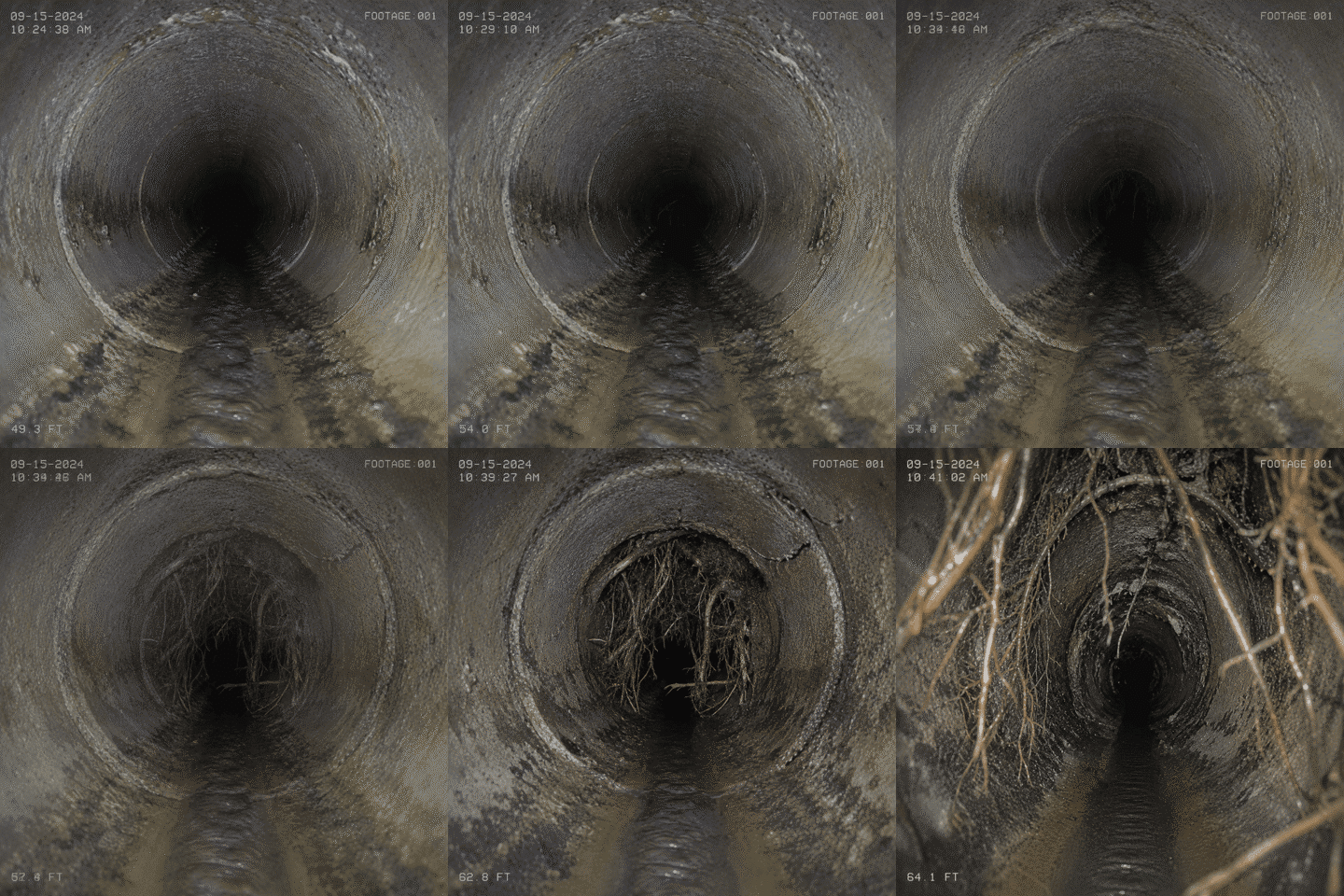
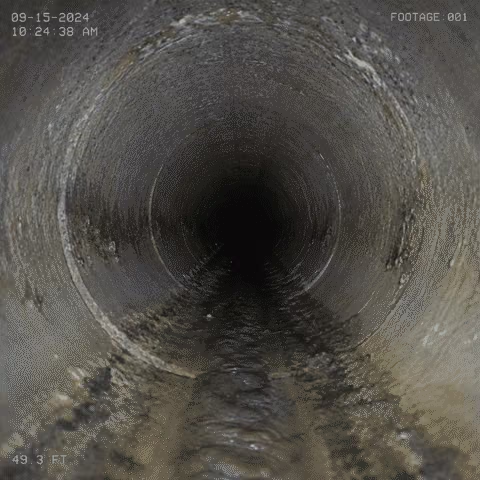
The line inspection follows a practical sequence so you understand the access, the visible findings, and the next decision.
We ask about slow fixtures, the last incident, prior snaking, wet-weather patterns, home-purchase concerns, and the sewer line history.
We locate an accessible cleanout or explain any access limitation before we insert inspection equipment. A scope shows the line interior, but not how a plumber may plumb every fixture behind finished surfaces.
The technician advances the camera carefully, watches the video inspection, and notes visible material changes, restrictions, and defects.
We show you what the footage supports and explain whether the next step is cleaning, maintenance, repair, a second opinion, or no immediate work.
The final cost depends on a few practical details.
The available cleanout and ease of access.
The line length, layout, and pipe condition.
Whether an obstruction must be cleared for useful visibility.
The inspection scope and documentation discussed before work.
Older homes, mature trees, private sewer laterals, recurring flow trouble, and heavy-rain complaints can all make underground line condition important in western Kentucky. These plumbing issues do not always mean major plumbing problems. We evaluate the accessible line and explain whether visible evidence points to routine cleaning, a focused sewer repair, or a broader next step.
Responsibility for a private sewer lateral can vary by utility and location. A camera inspection helps identify where a visible issue appears, but the utility or municipality determines the legal responsibility boundary.
The camera findings may point toward line cleaning, urgent sewer help, or a focused sewer line repair conversation.
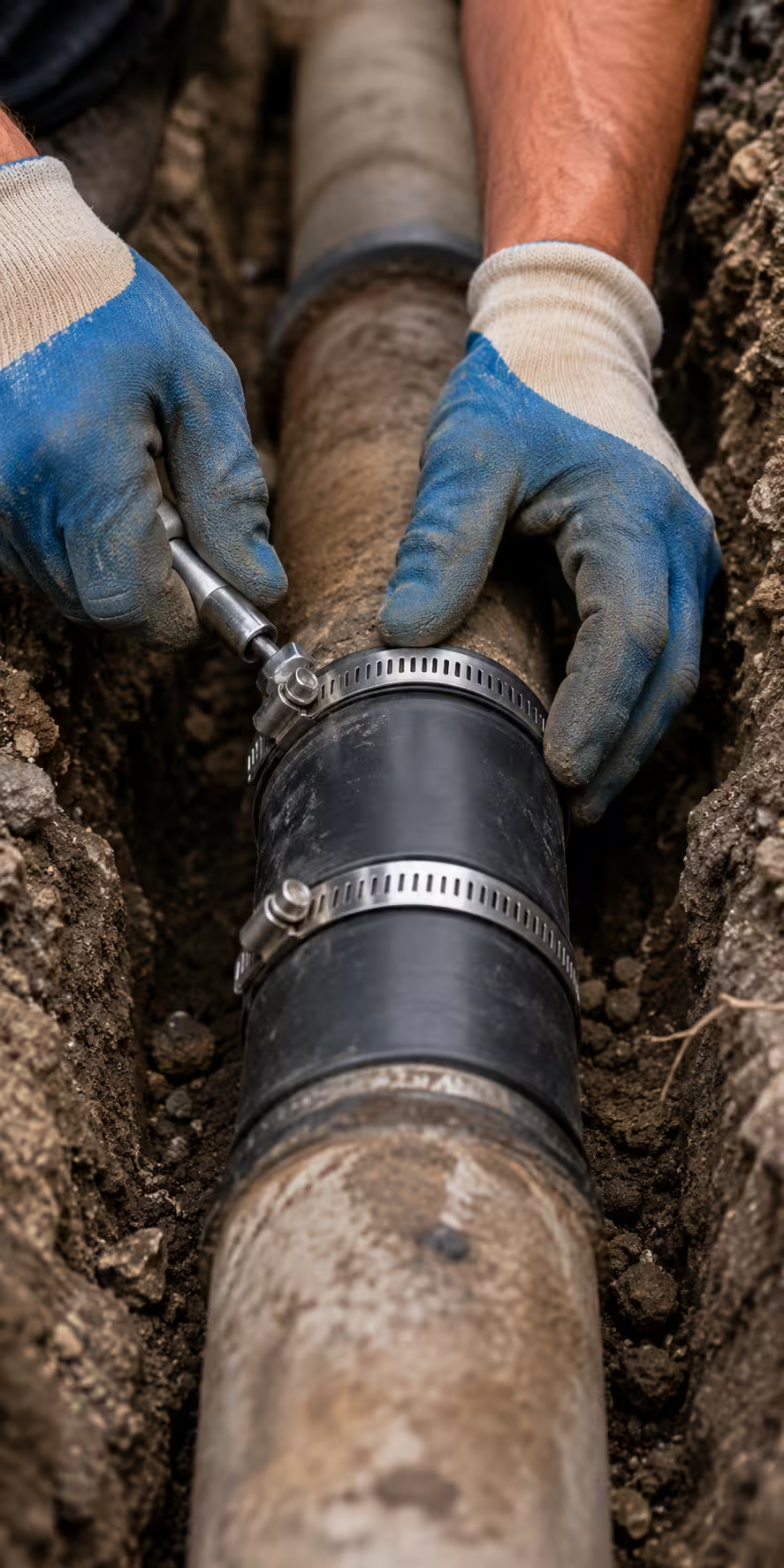
Backups, mainline clogs, inspections, and repair options.
Learn more
Water backing up, slow drains, or recurring clogs.
Learn more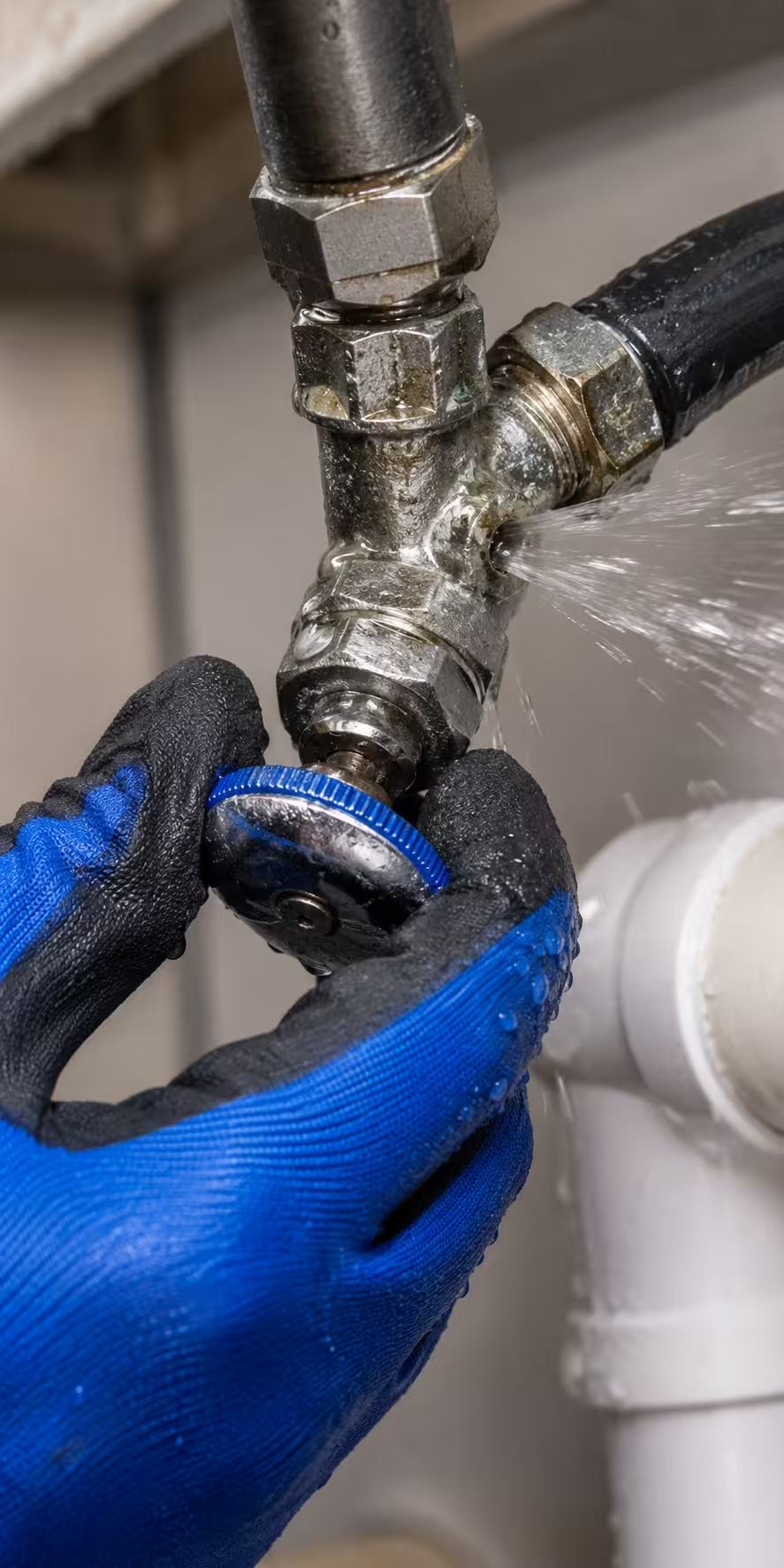
Fast help for leaks, backups, and plumbing problems that cannot wait.
Learn more
Leaks, fixtures, pipe repairs, and everyday plumbing fixes.
Learn moreStraight answers about sewer scope inspection, home purchases, cleanout access, video footage, septic lines, and what the camera can confirm.