
Clear, professional plumbing help
Gotta Go Plumbing

Washer Hookup & Laundry Room Plumbing Services

A reliable washing machine setup depends on more than attaching a hose. Gotta Go Plumbing checks the outlet box, shutoffs, supply connections, drain standpipe, drain pan, and utility sink so each part can work together before the laundry appliances move into place.

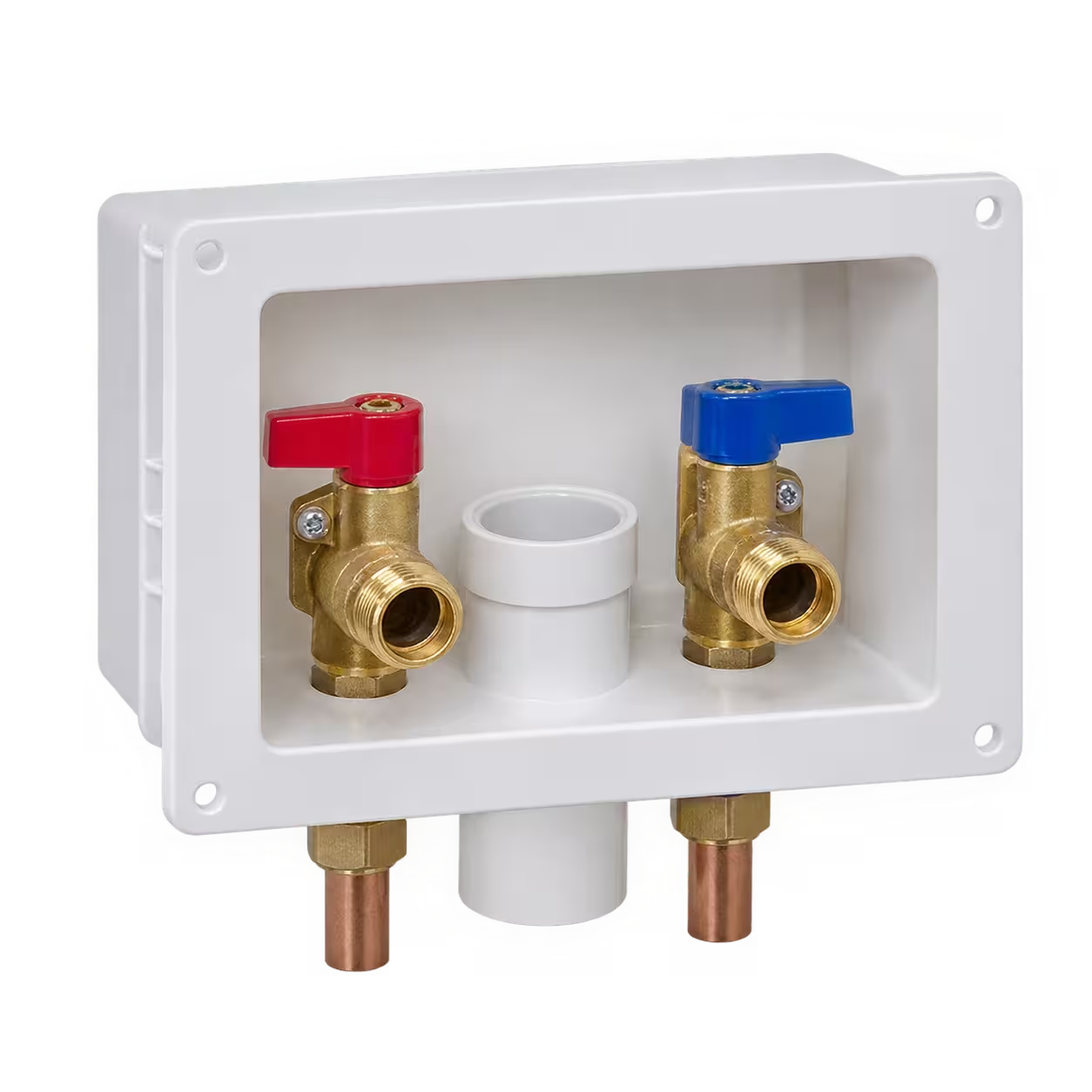
Outlet box and shutoffs
Appliance supply connections
Drain and standpipe review
Clear scope before work

Washer Hookup Installation Guide

Installing a washer starts with confirming that the fill and drain connections are ready for the appliance. The supply should have accessible shutoffs, compatible washing machine hoses, and a secure washing machine outlet when the layout calls for one. The appliance drain also needs a suitable standpipe or approved utility-sink connection so the machine can discharge without overflowing or siphoning. We inspect those parts as one system. If you are installing a new washing machine, relocating the appliances, or replacing an older connection, we explain what can stay, what should be corrected, and what the complete installation includes before you approve the work.

When Washer Hookup Installation Makes Sense

A dripping shutoff, loose connector, overflowing standpipe, or missing drain pan can point to different conditions. We check the complete laundry connection before recommending a repair, replacement, or new installation.

Reasons to call before appliance installation

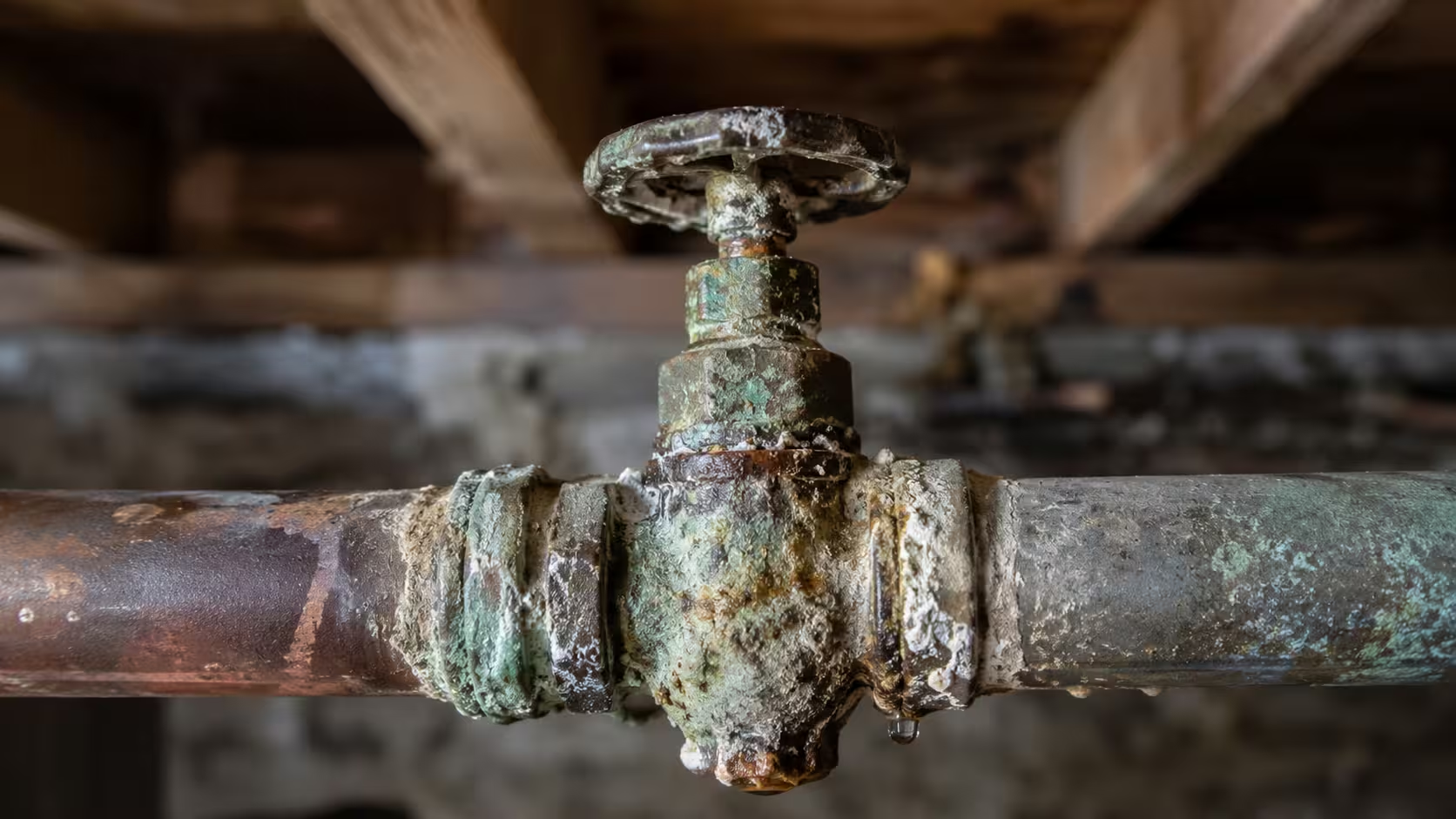
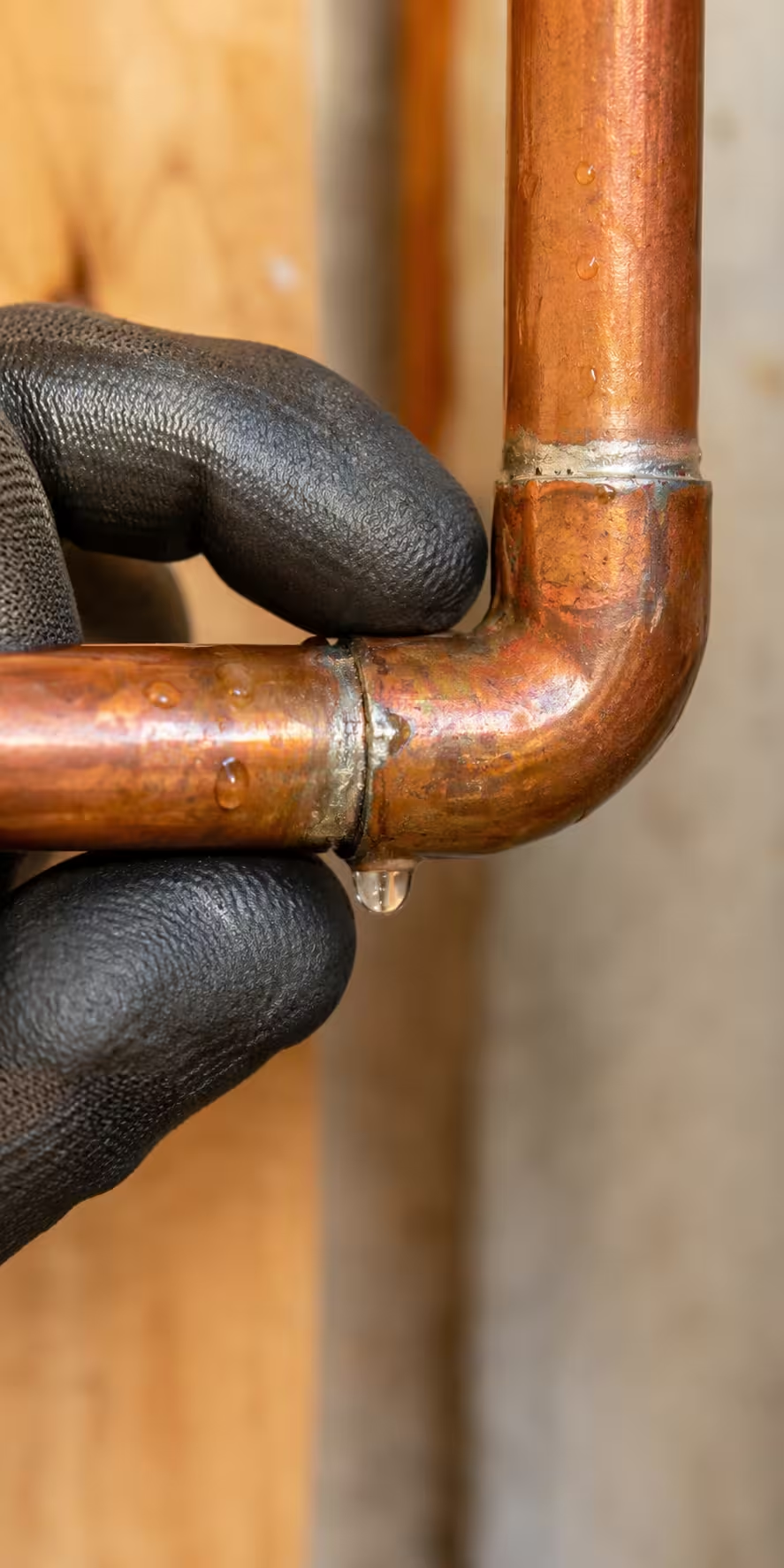
  • A supply shutoff will not close, drips at the stem, or is visibly corroded.
  • A fill connector is cracked, swollen, rusted at the coupling, or too short for the planned position.
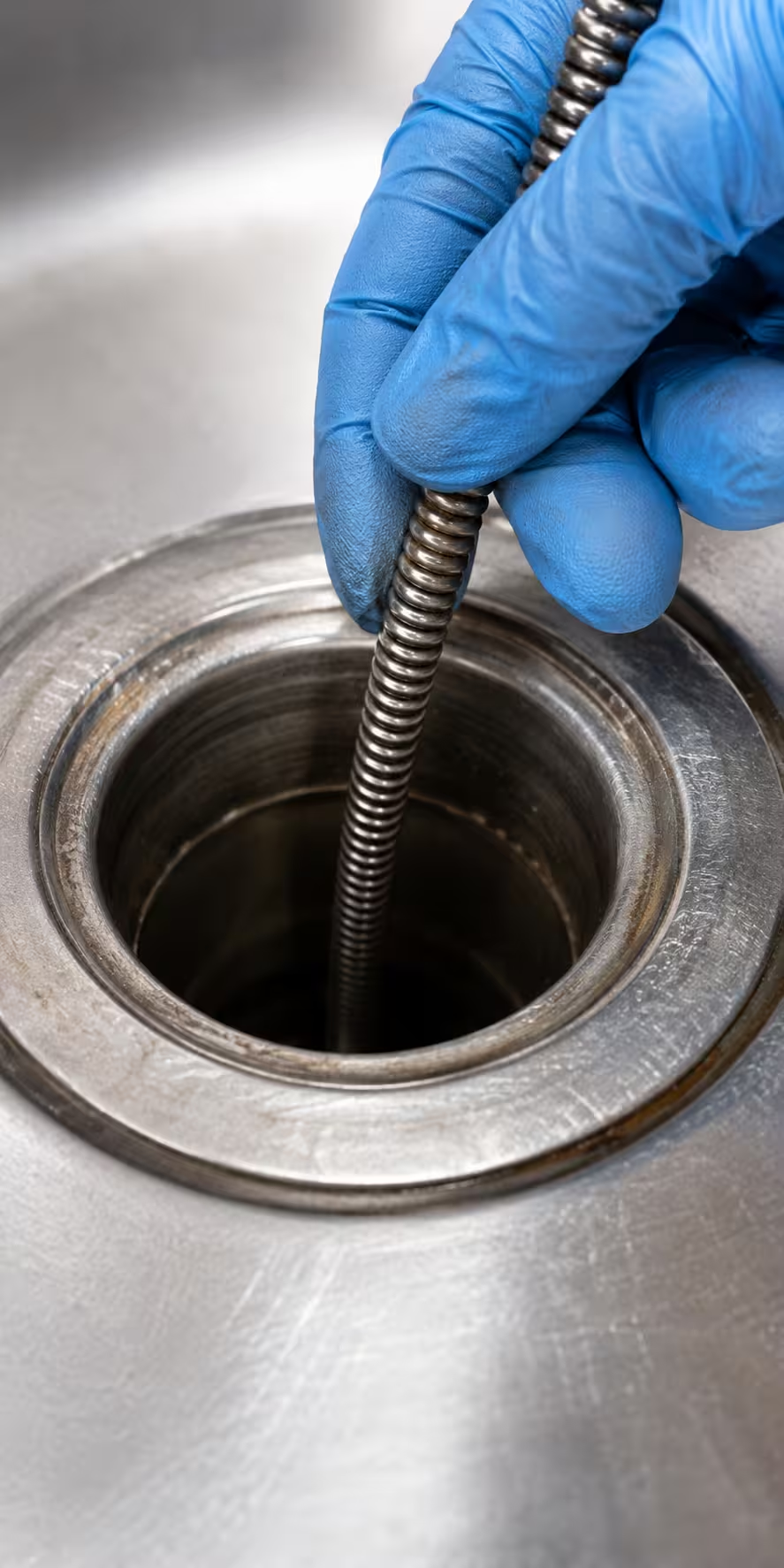
  • The standpipe backs water onto the floor or the laundry drain smells, gurgles, or drains slowly.
  • The existing drainpipe is loose, damaged, undersized, or not arranged as a usable drain standpipe.
  • The appliance is moving to a new room, closet, basement, or utility area.
  • The project includes a drain pan, floor drain, or utility sink that needs new plumbing.

What we check at the connection

  • Accessible, operable shutoffs at the appliance outlet.
  • Pipe material, pressure, control condition, and supply routing.
  • Supply lines, connector length, coupling condition, and clearance behind the appliance.
  • Drain-hose position, standpipe height, trap, venting, and the visible drain line.
  • Drain pan outlet routing and whether a nearby floor drain is actually approved and usable.
  • Utility sink faucet, shutoffs, trap, drain, and space for the appliances to fit.

Compare a New Laundry Connection With Replacement

New Connection Installation

Best for: A laundry relocation, remodel, converted closet, basement, or room without complete supply and drainage.

Considerations: May require separate supply lines, an outlet box, shutoffs, a trapped and vented standpipe, drain routing, permits, and wall access.
Existing Connection Replacement

Best for: Worn shutoffs, an aging outlet box, damaged supply lines, dripping connectors, or an unsuitable drain connection.

Considerations: The surrounding pipe, wall access, shutoff type, drain condition, and appliance clearance determine whether the work is a direct replacement or a broader correction.

What Determines the Right Laundry Setup?

We evaluateWhat we evaluateWhy it matters
Water supplyHot and cold valves, pressure, pipe condition, and supply hosesSupports reliable filling and lets the water be isolated for service
Appliance drainStandpipe, trap, vent, appliance drain, and visible drain lineHelps the machine discharge without overflow or siphoning
Floor protectionDrain pans, pan outlet, nearby drain, and finished surfacesDefines where incidental water can go instead of assuming the pan contains every spill
Appliance layoutStandard or stackable units, doors, controls, and service clearanceConfirms the appliances will fit and remain accessible after connection
Dryer coordinationCompanion-appliance location, vent path, and required trade coordinationKeeps plumbing scope separate from electrical, gas, and exhaust work
Utility sinkSink supply, shutoffs, trap, drain, and cabinet or leg clearanceAllows a practical sink connection without crowding the laundry appliances

What Proper Laundry Appliance Plumbing Includes

The connections behind the appliance should be accessible, supported, and tested before the machine is in place.

Outlet box and shutoff valves

We install or replace the outlet box and shutoff arrangement, connect the two supply lines, and confirm both controls operate without dripping.

Compatible supply hoses

We check the appliance instructions, attach the hoses to the machine and shutoffs, connect the hot water hose to the marked hot inlet, connect the cold water hose to the cold inlet, and tighten the coupling without damaging the threads.

Standpipe and drain connection

We place the end of the drain hose at the approved standpipe depth, secure it without sealing the opening airtight, and check that the trap and vent arrangement can receive the discharge.

Drain pan and floor planning

A pan can catch limited drips, but it needs a suitable route to be useful. We explain whether the pan can connect to an approved receptor and what a floor drain can or cannot do in the room.

Final fill and drain testing

We turn on the water slowly, check for leaks at each hose and shutoff, run a fill-and-drain cycle when the appliance is available, and review the completed connections with you.

How We Install a Washing Machine Connection

This installation guide outlines the professional plumbing sequence. The exact work changes when we are replacing valves and hoses versus plumbing a new laundry location.

1

Measure the Area and Inspect

We measure the area, review both appliance specifications, inspect accessible piping and drainage, and confirm where the connections must land.

2

Explain the Connection Plan

We show you whether the existing parts can stay and explain any shutoff, outlet box, standpipe, drain pan, utility sink, or water line work before pricing the approved scope.

3

Turn Off the Water and Prepare

We turn off the water at the proper control, protect the work area, remove only the required finishes, and prepare compatible supply and drain materials.

4

Plumb the Supply and Drain

We install the approved box, valves, supply connections, standpipe, trap, drain line, pan outlet, or utility sink plumbing included in the scope.

5

Connect the Appliance and Test

When the appliance is present, we attach the other end of each water supply hose, connect the drain, restore the water, and check the operating connections through a test cycle.

6

Set the Appliance in Place

We help move the appliance only as the approved scope and site conditions allow, verify the machine is level, preserve hose clearance at the back, and explain the completed plumbing. Leveling or moving is confirmed before the visit when special equipment is needed.

Plumbing Scope and Trade Coordination

Our laundry service covers the fill supply, appliance drainage, drain pans, and utility-sink plumbing. Drying-appliance installation can also involve an electrical circuit, gas connection, combustion-air requirements, and a code-compliant exhaust route. Those items may require separate qualified trades and are confirmed before the project is scheduled.

  • An electric model needs the correct receptacle and circuit; a plumber does not alter electrical wiring unless separately qualified.

  • Gas-appliance connections and testing are included only when the approved scope and licensing allow them.

  • The exhaust should use approved ducting—not a flexible water hose or an improvised drain connection.

  • Permit, wall access, restoration, and trade responsibility are explained before work begins.

What Affects Laundry Connection Installation Cost?

Cost depends on whether the project is a direct connector and shutoff replacement, a new outlet-box setup, or a full laundry relocation with new supply and drain piping.

  • Existing connection condition

    Accessible valves and a sound standpipe are different from corroded piping, a clogged drain, hidden damage, or a connection that needs to move.

  • New piping and wall access

    A first-time connection can require new supply lines, a trapped and vented drain, an outlet box, permits, wall opening, and restoration coordination.

  • Pan, sink, and appliance coordination

    Drain-pan routing, utility-sink plumbing, appliance delivery timing, stackable access, and other trade work can change the complete project scope.

Laundry Room Plumbing Across Our Service Area

Gotta Go Plumbing helps homeowners plan new and replacement laundry connections across approved Kentucky and southern Indiana service routes. We confirm the address, inspect the existing plumbing, and explain the installation scope and pricing before work begins.

  • Outlet box and shutoff installation
  • Appliance hose and supply connection replacement
  • Standpipe, trap, and drain review
  • Drain pan and approved drain planning
  • Utility sink faucet, supply, and drain plumbing

Final scope depends on pipe and drain access, appliance specifications, wall condition, local requirements, and whether electrical, gas, vent, or finish work needs separate coordination.

Washer Hookup and Laundry Room Plumbing FAQs

Straight answers about washing machine installation, hoses, drains, pans, utility sinks, and appliance coordination.

Yes. A plumber can install a washing machine outlet box, both shutoff valves, supply connections, a trapped and vented drain standpipe, a drain-pan connection, and utility-sink plumbing. If you want to install a washer and dryer in a new location, we also identify electrical, gas, venting, wall access, and permit work that may need separate coordination.

The hot water hose connects from the hot water faucet valve to the marked hot inlet at the back of the washing machine, and the cold water hose connects from the cold water supply valve to the cold inlet. We inspect the threads and washers, attach the hoses by hand, tighten the coupling to the appliance instructions, then turn the water on slowly and check for leaks. We do not force mismatched fittings or reuse a damaged end of the hose.

The washing machine drain hose usually discharges into a properly sized standpipe connected to a trapped and vented drain. In some approved layouts, it may discharge into a utility sink. We position the end of the washer drain hose at the appliance-maker's specified depth and secure the drain without sealing the standpipe airtight. Pushing the drain hose too far into the drainpipe can contribute to siphoning or poor drainage.

A garden hose is not a substitute for approved washing machine hoses. If the supplied hose cannot reach, use listed hoses for different appliance distances or move the connection after a plumber reviews the layout. Long or improvised water hoses can kink, rub behind the washer, and make it harder to move the washer without stressing the valve. The discharge tubing also needs an approved appliance extension when the manufacturer permits one.

A drain pan can provide limited protection from small drips, especially above a finished area, but the pan is not a substitute for sound hoses, accessible valves, or a working drain. The pan outlet must lead to an approved location to be useful. We inspect the room and explain whether drain pans, a floor drain, an automatic shutoff, or another protection measure makes sense for the home laundry setup.

Often, yes. We check the available supply, shutoff location, faucet selection, trap, vent, drain line, and appliance clearance. A utility sink should be plumb and supported, and its drain cannot be connected by simply placing the appliance discharge into an unapproved opening. We explain the available layout before installing the sink.

The final machine should be level and stable after the hoses and drain are connected. When you're installing a washer, leave enough room to inspect the back of the washer, attach the other end of each hose without a sharp bend, and move the appliance without crushing the discharge tubing. After the washer is in place, follow the manufacturer instructions to level the washer and confirm it stays steady during operation.

Plumbers handle the water and drain side of a washing machine and dryer project. An electric model may require an electrician, while a gas model requires approved connection work and testing by a qualified professional. Exhaust-vent work follows separate requirements. Instructions to move the dryer, attach the vent hose with a circular dryer clamp, and connect the end of the vent hose should follow the appliance and vent manufacturer's requirements. We confirm who is responsible for the back of the dryer and any work behind the appliance before scheduling.
Talk to a Plumber