
1
Review the Evidence
We discuss the water bill, timing, stains, pressure changes, recent weather, and any detector alert before testing begins.

OWENSBORO WATER LEAK DETECTION
A rising water bill, damp floor, warm spot, low pressure, or sound of running water can point to a hidden leak. Our plumber follows the evidence, uses appropriate leak detection equipment, and confirms the likely source before recommending access or repair.
A damp area does not always mean a pressurized plumbing line is leaking. Roof intrusion, HVAC condensate, drainage, groundwater, and a sump pump problem can create similar signs. We start by separating those possibilities so the work addresses the actual source.
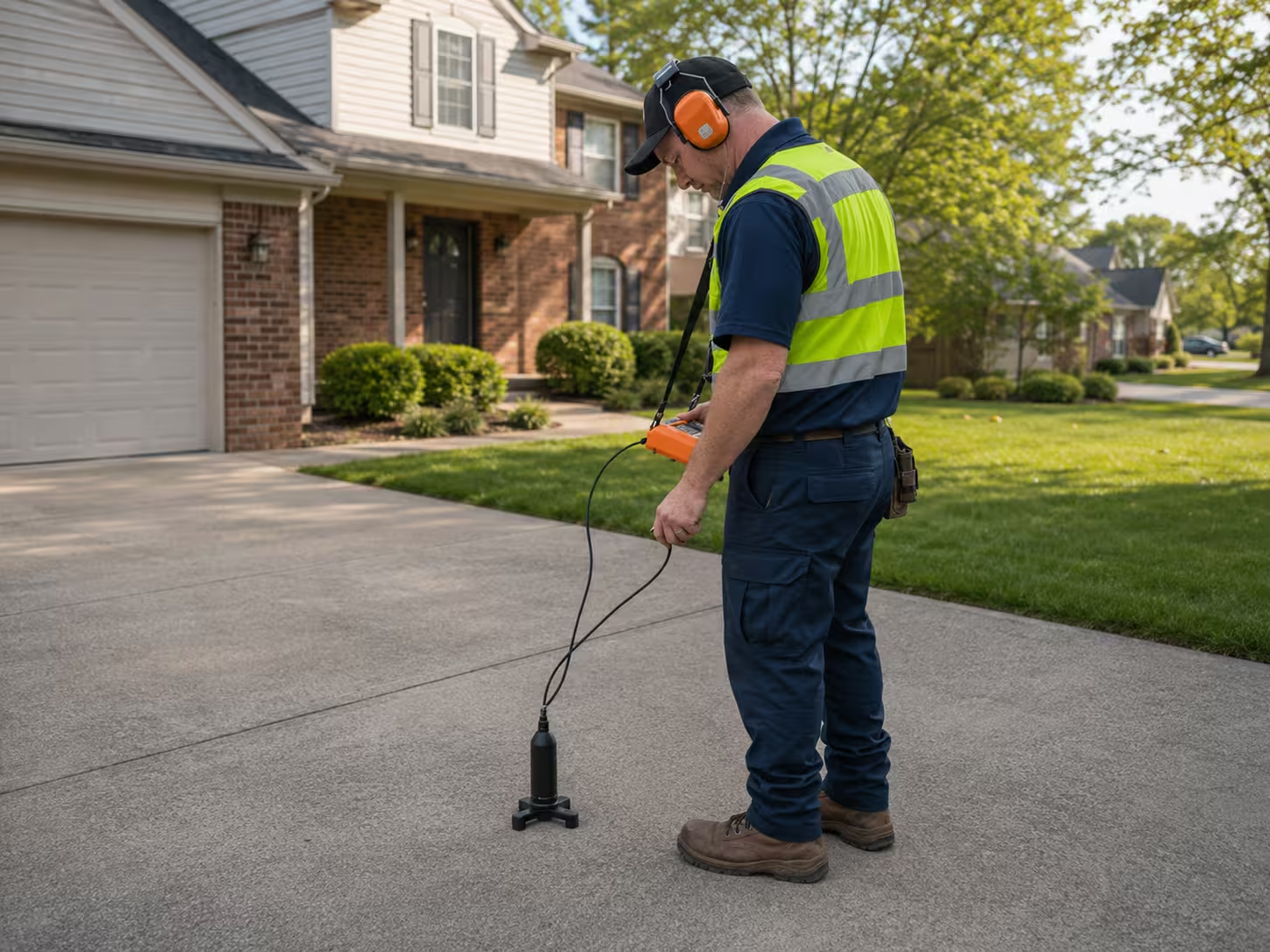
Professional leak detection combines observations with targeted testing. Depending on the property, that may include a water-meter isolation check, pressure testing, acoustic listening, moisture readings, thermal imaging, and fixture or appliance isolation. No single tool proves every leak, so findings are confirmed before a repair plan is recommended.
Turn off faucets and water-using appliances, then note whether the meter still shows a flow of water.
Photograph stains or pooling water and write down when pressure changes, sounds, or a drip appears.
Use the accessible shutoff valve when water is spreading. Avoid wet electrical areas and call for urgent help after a burst pipe.
A plumber can test the water system and narrow down the leak before unnecessary demolition begins.
A slab leak may show up as a warm floor, damp flooring, low pressure, running-water sounds, or unexplained water usage.
Soggy soil, unusually green grass, a moving meter, or high water use can point to a private water supply line leak between the meter and home.
Stains, bubbling paint, musty odors, or dripping water may come from a pipe, fixture, roof, drain, or HVAC source that needs to be separated carefully.
Toilets, supply connectors, a washing machine, and a water heater can lose water slowly without an obvious puddle nearby.
Groundwater, drainage, foundation entry, plumbing, or a failed sump pump can all contribute to damp lower areas and need different solutions.
A pool or irrigation line can lose water underground. Testing helps determine whether the loss is plumbing-related before repair work starts.
Leak detection specialists follow patterns rather than assuming every stain comes from a supply pipe. Meter movement and pressure loss can support a plumbing diagnosis, while rain timing, condensate, or drain use may point elsewhere. Confirming that distinction helps prevent the wrong repair.
These signs guide the test plan, but the source still needs confirmation.
We explain when the evidence points outside pressurized plumbing so you can contact the right trade.
Active water can create electrical hazards and become a major cause of property damage. Protect people first, then limit the flow if you can do so safely.
Use the nearest water valve or main shutoff only if it is safely accessible.
Stay away from wet electrical equipment, outlets, and standing water.
Move belongings out of the area and document visible water damage.
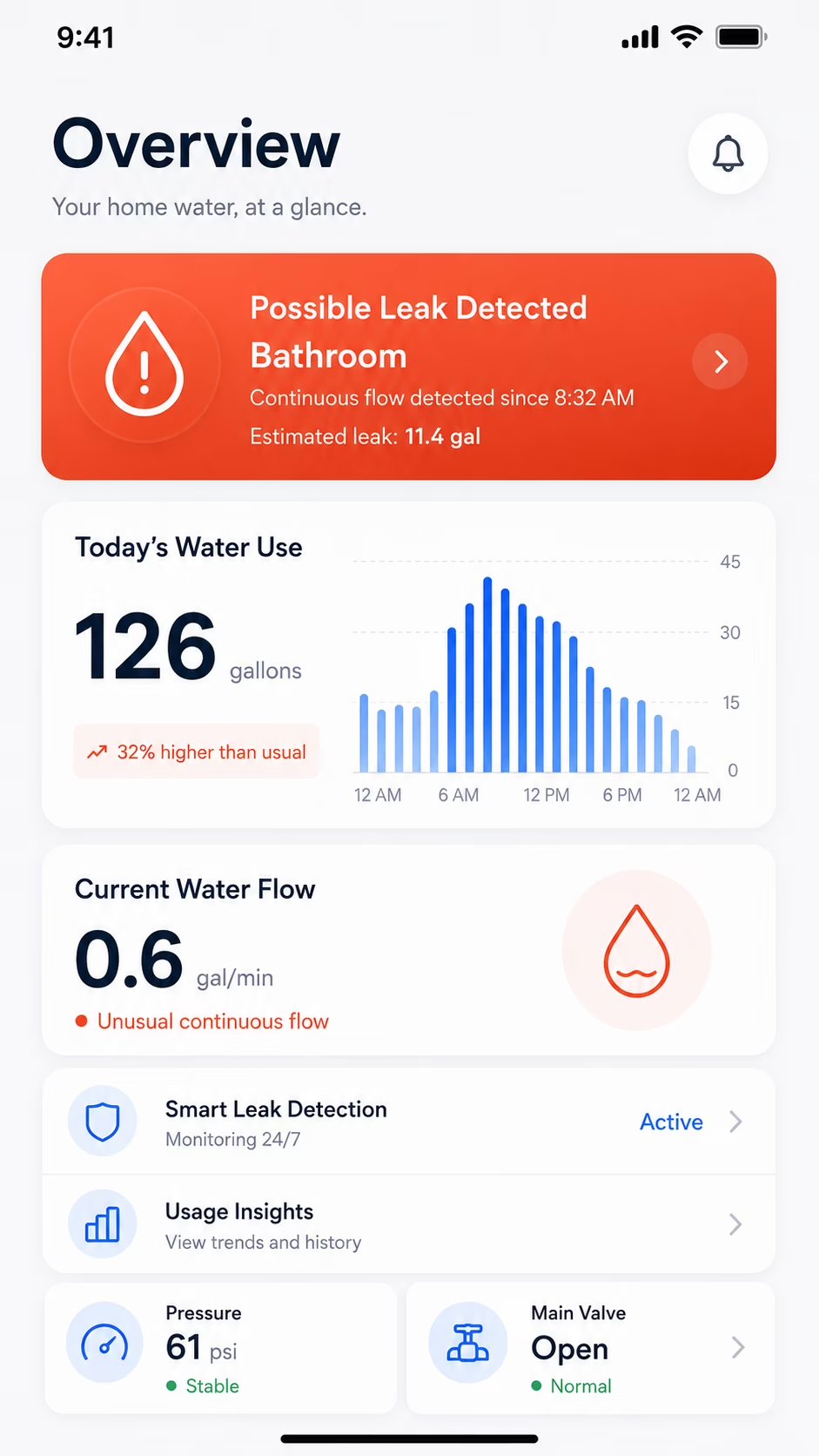
Home leak sensors can provide an early alert, but they do not replace diagnosis. Point sensors detect water at the probe. A whole-home smart water monitor watches patterns in the home's water use, and some systems can operate a water valve. Either type can miss roof, drain, groundwater, or condensate problems that never reach the sensor.
We use a step-by-step diagnostic process to narrow the search area and recommend targeted access only when the evidence supports it.
We discuss the water bill, timing, stains, pressure changes, recent weather, and any detector alert before testing begins.
We inspect accessible plumbing and use the appropriate water leak detection system or combination of tools for the suspected line and location.
We compare readings and observations before marking a focused access area or recommending another specialist.
Once we detect a leak, we explain the repair scope, access needs, and steps that can help with preventing water damage.
The final cost depends on a few practical details.
The suspected line, material, and location.
Access below a slab, wall, ceiling, yard, or crawlspace.
The testing methods needed to confirm the source.
Whether repair can be completed during the same visit.
Western Kentucky homes see heavy rain, humid summers, and freeze-thaw conditions that can complicate moisture problems. We account for weather, building layout, private service lines, and the home's water history before drawing a conclusion.
Thermal imaging shows temperature differences, not water itself. We pair it with moisture readings and other evidence before recommending access, helping protect your home from unnecessary openings and catastrophic water damage.
These services may help when testing points to an urgent pipe problem, drainage issue, or water-heating connection.
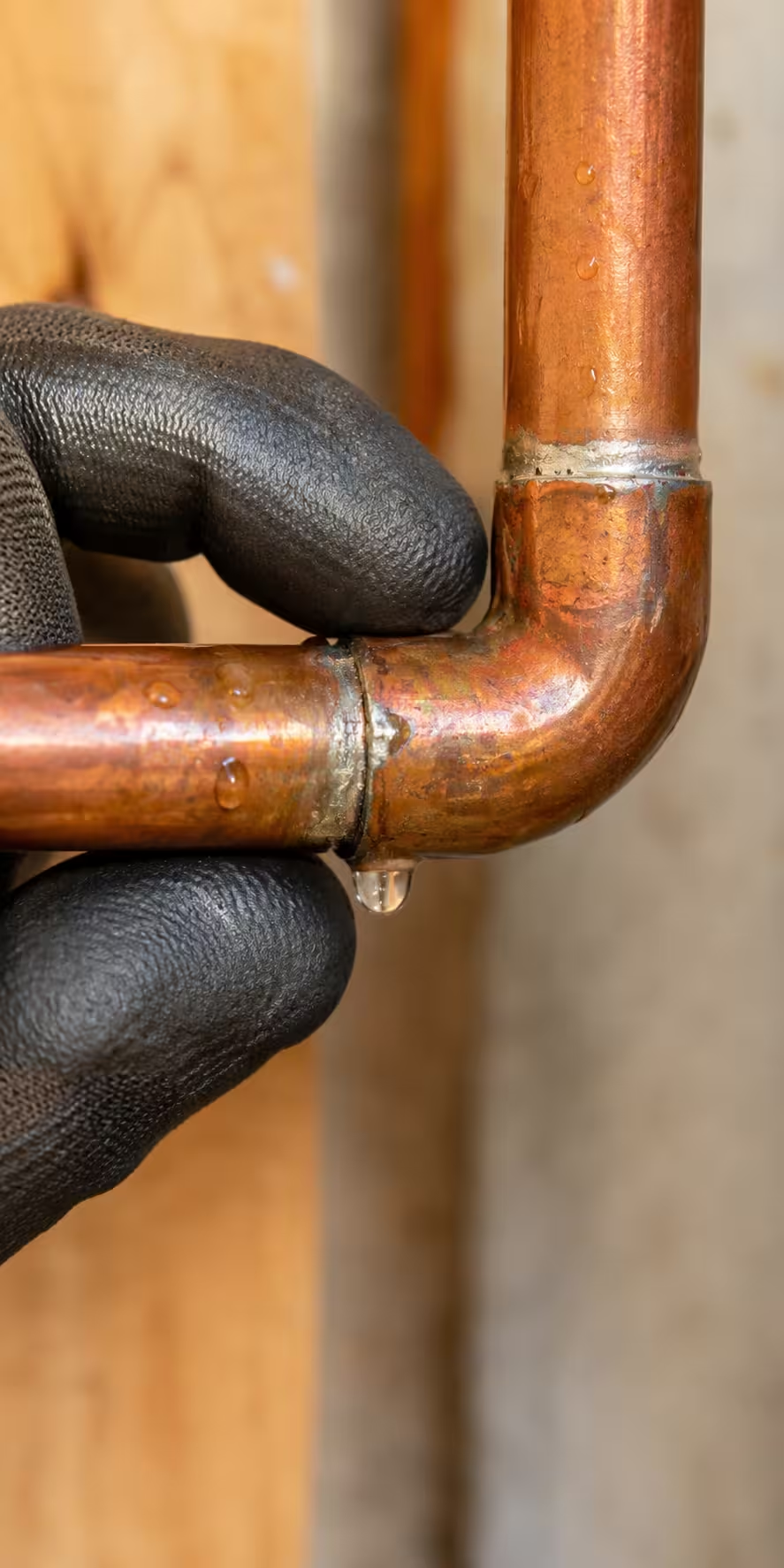
Leaks, fixtures, pipe repairs, and everyday plumbing fixes.
Learn more
Fast help for leaks, backups, and plumbing problems that cannot wait.
Learn more
Repair, replacement, installation, and upgrade help.
Learn more
Backups, mainline clogs, inspections, and repair options.
Learn more